
- 0 Facebook
- 17 Pinterest
- 0 Email
- Copy Link
- 17 shares
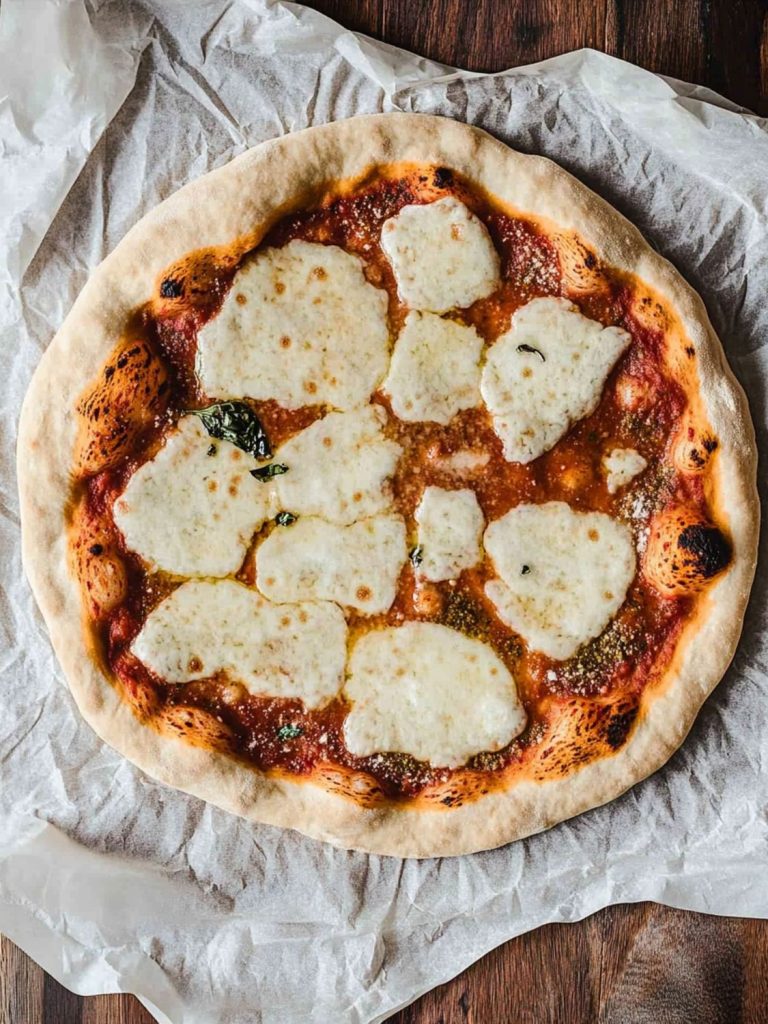
I stumbled upon the art of sourdough pizza crusts quite by accident, and I haven’t looked back since. This recipe is easy to prepare, featuring simple ingredients you’d likely already have in your kitchen, delivering a delightful blend of crispy exterior and chewy center.
Years ago, while trying to infuse some creativity into my routine cooking, I experimented with sourdough bread baking. One evening, with some leftover dough, I decided to craft a pizza crust, and that’s when the magic happened.

What makes this sourdough pizza crust so special is its simplicity and flavor profile. The dough not only saves time, given it can rest overnight, but also transforms regular pizza night into a gourmet experience. By using natural fermentation, it’s healthier than conventional dough, contributing probiotics to the mix. For anyone who’s keen on recreating that restaurant-quality pizza at home, I assure you this recipe will not just save time but also impress anyone lucky enough to try a slice.
Why You’ll Love Sourdough Pizza Crust?
I’ve refined this sourdough pizza crust recipe using techniques sourced from expert bakers and my own kitchen experiments. Here’s why it’s exceptional:
- Simplicity: Perfect for beginners, no kneading machine required. Just mix, rest, and roll.
- Rich Flavor: The natural fermentation process imbues a subtle tang that elevates every bite.
- Crispy and Chewy Texture: Blends the best of both worlds with a crispy crust and chewy middle.
- Consistency: Designed for predictable results, ensuring a delicious outcome every time.
- Adaptable: Match it with your favorite toppings, or enjoy it plain; it’s versatile enough for any palate.
- Health Benefits: Packed with probiotics from fermentation, it’s a healthier choice than standard doughs.

Ingredients Notes
- Sourdough Starter Discard: I love its tangy flavor; it revives leftover starter. Use active discard for optimal rise and flavor.
- Fine Sea Salt: Enhances taste while regulating yeast activity. Prefer fine grains for even mixing and consistent dough flavor.
- Olive Oil: Creates a tender, rich crust. Opt for extra virgin for depth; adds subtle aroma and crispness.
- Whole Wheat Flour: Adds nutty complexity and texture. Choose fresh, stone-ground for best results, balancing out all-purpose flour’s lightness.
- All-Purpose Flour: Core for structure and elasticity. Always go for unbleached to maintain natural flavor and color.
- Water: Hydrates for smooth dough consistency. Ensure it’s lukewarm to aid yeast fermentation and ensure proper gluten formation.
- Pizza Toppings: Experiment and personalize by season. Fresh produce and quality meats can elevate simple crust to gourmet heights.
- Pizza Sauce: Acts as flavor foundation. I recommend homemade for control over sweetness and acidity levels.
- Homemade Pesto: A vibrant, herby alternative sauce. Use fresh basil and quality cheese for a fragrant punch.
- Your Choice of Toppings: Personalize flavors through various textures. Balance is key; mix soft, creamy, and crunchy elements.
How to Make Sourdough Pizza Crust?
- Gather Ingredients: Ensure you have all ingredients ready – flour, water, salt, and active sourdough starter. This preparation will ease your cooking flow.
- Mix the Dough: In a large bowl, combine flour, water, and sourdough starter. Mix thoroughly to form a rough dough. The texture should be sticky but cohesive.
- Autolyse the Dough: Allow the dough to rest for 30 minutes. This enhances gluten development, crucial for achieving the perfect pliability and elasticity.
- Add Salt and Knead: Sprinkle salt over the dough and knead gently. Aim for a smooth, stretchy consistency, which signals gluten activation.
- Bulk Fermentation: Cover the bowl with a damp cloth and let it rise in a warm area for 4-5 hours. The dough should double in size, with a soft, airy texture.
- Shape the Dough: On a lightly-floured surface, gently deflate and shape the dough into balls. Avoid over-handling, to maintain its light, airy structure.
- Preheat and Bake: Preheat the oven to the highest setting. Roll the dough, add toppings, and bake until the crust is golden and crisp, emitting a delightful aroma.
Expert Cooking Tips
- Always use fresh sourdough starter for the best rise and flavor.
- I let the dough rise until doubled – trust the fermentation process.
- Use a pizza stone for a crispy, perfectly-baked base.
- If the dough feels too sticky, wet your hands to handle it better.
- Don’t overwork the dough when shaping; it should stay light and airy.
- Preheat your oven fully; high heat is crucial for crust texture.
- Use bread flour for a chewier texture; all-purpose yields a softer crust.
- Monitor fermentation carefully, especially in warmer weather, to avoid overproofing.
Storage Tips
- Refrigerate dough in a sealed container for up to 3 days to slow fermentation.
- Freeze shaped dough for up to 3 months; thaw overnight for ease of use.
- Store baked pizza in an airtight container in the refrigerator ; consume within 3-4 days.
- To prevent freezer burn, tightly wrap dough in plastic wrap before placing in a freezer bag.
- Reheat pizza slices in the oven at 375°F until crisp, preserving texture.
- Always check for signs of spoilage before using stored dough or pizza.
Variations and Substitutions
- Opt for whole wheat flour for a nuttier, denser crust, ensuring to adjust hydration.
- For a gluten-free version, use a blend of gluten-free flours like rice and tapioca.
- Replace water with beer for a unique, malted taste.
- Incorporate herbs like basil or oregano into the dough for extra flavor.
- For a dairy-free pizza, use plant-based cheese alternatives or skip cheese altogether.
- Mix crushed red pepper flakes into the dough for a spicy twist.
- Add crushed nuts for a crunchy texture; particularly good for stuffed crust variations.

What to Serve with Sourdough Pizza Crust?
- Caprese Salad: Fresh mozzarella, tomatoes, and basil complement the pizza’s tanginess, adding a refreshing contrast to its chewy texture.
- Roasted Garlic Broccolini: The mildly sweet, roasted broccolini enhances the pizza’s flavors and adds a crispy, crunchy texture.
- Herbed Quinoa Salad: This light, fluffy salad balances the pizza with its nutty taste and citrusy vinaigrette, perfect for a wholesome meal.
- Truffle Parmesan Fries: The rich, earthy flavors of truffle oil and Parmesan enhance the pizza’s rustic appeal, providing a gourmet experience.
- Sautéed Mushrooms: Their umami richness perfectly aligns with the pizza crust’s depth, adding a savory layer of flavor.
- Arugula and Fennel Salad: Peppery arugula and crisp fennel add a fresh, zesty twist, complementing the tartness of the sourdough.
- Olive Tapenade: This flavorful spread pairs perfectly as a side or topping, amplifying the pizza’s savory notes.
- Lemon and Herb Couscous: The bright, zesty notes play off the tangy crust, offering a lively and colorful side.
- Balsamic Glazed Roasted Vegetables: Caramelized vegetables provide a sweet balance to the sourdough’s tang and chewy texture.
- Classic Caesar Salad: The creamy dressing and crunchy croutons enhance the pizza’s flavors, making for a rich and satisfying meal.
FAQ
Preheat the baking stone or sheet to ensure even cooking and crispiness. Avoid overloading with sauce and toppings.
Yes, freeze after shaping. Thaw overnight in the fridge, then allow to reach room temperature before baking.
Insufficient fermentation time can lead to density. Ensure your starter is active before mixing the dough.
Increase water by 5-10% to maintain proper hydration, as whole wheat absorbs more moisture than white flour.
Yes, but reduce the amount of starter. Instant yeast helps with rise if the starter is less active.
- 0 Facebook
- 17 Pinterest
- 0 Email
- Copy Link
- 17 shares
Sourdough Pizza Crust
Ingredients
Instructions
- Gather Ingredients
Prepare flour, water, salt, and active sourdough starter for a smooth cooking process.
- Mix the Dough
Combine flour, water, and starter. Aim for a sticky yet cohesive dough.
- Autolyse
Rest the dough for 30 minutes to enhance gluten development for better elasticity.
- Add Salt and Knead
Sprinkle salt and knead to achieve a smooth, stretchy consistency.
- Bulk Fermentation
Cover and let rise in a warm area for 4-5 hours until doubled in size, soft, and airy.
- Shape the Dough
On a floured surface, gently shape into balls, avoiding over-handling.
- Preheat and Bake
Heat oven to the highest setting. Roll dough, add toppings, and bake until golden and crisp.