- 0 Facebook
- 0 Pinterest
- 1 Email
- Copy Link
- 1 share
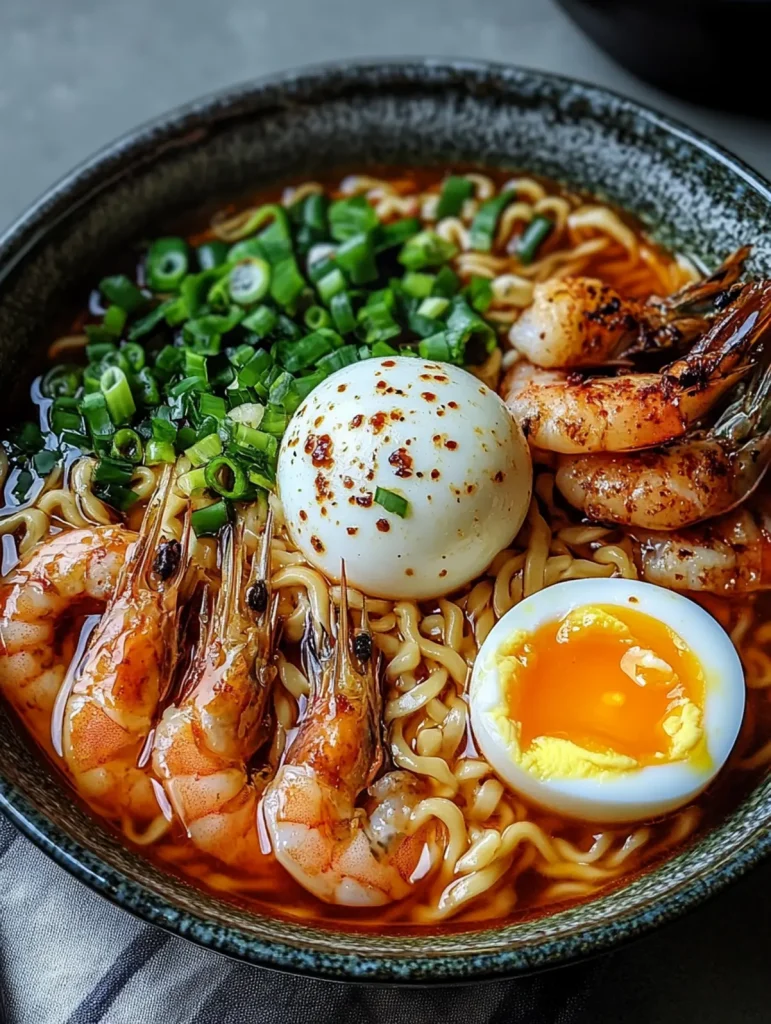
This vibrant bowl of homemade shrimp ramen transforms simple ingredients into restaurant-worthy comfort food. Golden broth — infused with aromatic ginger and garlic — cradles tender noodles and plump shrimp while a perfectly soft-boiled egg adds luxurious creaminess to each slurp. The beauty of this dish lies in its customizable heat level; add as much or as little chili paste as desired for a warming meal that satisfies without hours of simmering. A scattering of fresh green onions and sesame seeds provides the perfect finishing touch.
Why It Belongs in Your Recipe Box
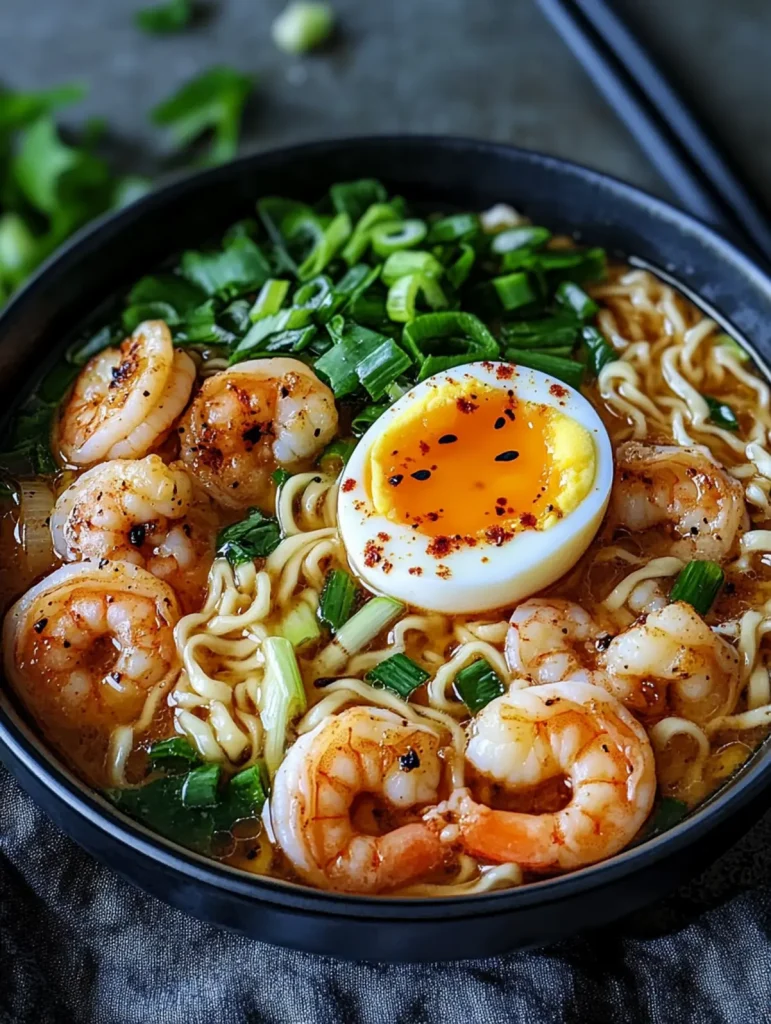
This Homemade Shrimp Ramen delivers restaurant-quality flavors with surprisingly little effort. Each element works together to create a bowl that’s both comforting and impressive.
- Restaurant-Quality at Home : The combination of umami-rich broth, tender shrimp, and jammy egg creates flavors that rival your favorite ramen shop without the hefty price tag.
- Quick Weeknight Wonder : Ready in just 25 minutes from start to finish, this recipe transforms basic pantry ingredients into a satisfying meal faster than delivery would arrive.
- Perfectly Customizable : The base recipe welcomes adaptations—swap vegetables based on what’s in season, adjust spice levels, or substitute tofu for shrimp to accommodate dietary preferences.
- Nutrient-Packed Bowl : Beyond its incredible flavor, this dish delivers lean protein from the shrimp, vitamins from fresh vegetables, and a complete meal in a single comforting bowl.
- Foolproof Technique : The simple cooking method ensures perfect results every time, with clear timing for those jammy-yolked eggs that make restaurant ramen so crave-worthy.
Ingredient Notes
Every component in this homemade shrimp ramen plays a crucial role in building the complex flavors that make this dish so satisfying. Understanding each ingredient helps you create the perfect balance of flavors and textures in your bowl.
- Chicken or vegetable broth : Forms the foundation of your ramen’s flavor profile. Use low-sodium versions to better control the salt level, or homemade broth for the most authentic taste.
- Water : Dilutes the concentrated broth to achieve the perfect intensity. Filtered water produces a cleaner-tasting broth without any tap water minerals that might affect flavor.
- Soy sauce : Provides essential umami depth and saltiness. Look for naturally brewed varieties for more complex flavor; light soy sauce works best for clarity in the broth.
- Miso paste : Though optional, it adds incredible umami richness and subtle fermented complexity. White miso offers a milder flavor while red miso provides a stronger, more pronounced taste.
- Sesame oil : Just a small amount delivers distinctive nutty aroma and flavor. Always add at the end of cooking to preserve its delicate qualities.
- Garlic cloves : Fresh minced garlic creates an aromatic base. Crush slightly before mincing to release more essential oils and maximize flavor.
- Ginger : Adds bright, peppery warmth that balances the richness of the broth. Use young ginger for milder flavor or older ginger for more pronounced heat.
- Chili paste : Controls the heat level of your ramen. Sambal oelek offers pure chili flavor, while gochujang or sriracha each bring their own unique character and sweetness.
- Ramen noodles : The star carbohydrate that transforms the dish. Fresh ramen noodles provide the best texture, but quality dried noodles (discard any seasoning packets) work excellently too.
- Shrimp : Provides sweet, delicate protein that cooks quickly. Choose medium to large shrimp for the best texture, and avoid overcooking to prevent rubbery results.
- Soft-boiled eggs : Creates the signature jammy yolk that enriches the broth. Starting with room temperature eggs helps achieve more consistent results.
- Mushrooms : Add earthy depth and meaty texture. Shiitake mushrooms offer traditional flavor, while cremini or button mushrooms make good alternatives.
- Baby spinach or bok choy : Brings fresh color, nutrients, and slight bitterness to balance the rich broth. Baby spinach wilts perfectly into the hot broth while bok choy retains more texture.
- Green onions : Provide bright, fresh flavor and visual appeal. Reserve some of the green tops for garnish to add color contrast and fresh flavor at serving.
- Nori sheets : Though optional, these dried seaweed sheets add authentic oceanic flavor and minerals. Toast briefly before adding for enhanced nutty flavor.
- Sesame seeds : Add subtle crunch and nutty flavor. Toasting them lightly in a dry pan before sprinkling enhances their aroma and flavor significantly.
How to Make Irresistible Homemade Shrimp Ramen with Soft-Boiled Egg
- Prepare the soft-boiled eggs first by bringing a small pot of water to a boil. Gently lower eggs into the water and cook for exactly 6½ minutes for that perfectly jammy yolk. Transfer immediately to an ice bath, then peel when cool enough to handle and set aside.
- Combine the chicken broth, water, soy sauce, miso paste (if using), and sliced ginger in a large pot. Bring to a gentle simmer over medium heat and cook for 5 minutes to allow the flavors to meld together.
- Add minced garlic, sesame oil, and chili paste (if desired) to the simmering broth. I find that adding these aromatics a bit later preserves their vibrant flavors while still infusing the broth beautifully.
- Stir in the mushrooms and cook for 2 minutes until they begin to soften. The mushrooms will absorb the flavorful broth and release their own earthy essence into the soup.
- Add the ramen noodles to the pot and cook according to package instructions, usually 2-3 minutes until just tender. When the noodles are about halfway cooked, add the shrimp and continue cooking until they turn pink and opaque.
- Stir in the baby spinach or bok choy and cook just until wilted, about 30 seconds. The residual heat from the broth will continue cooking the greens, so it’s best to remove the pot from heat once they begin to wilt.
- Ladle the ramen into bowls and top with halved soft-boiled eggs. The eggs should have set whites and luscious, runny centers that will enrich the broth as you eat.
- Garnish each bowl with sliced green onions, nori strips if using, and a sprinkle of sesame seeds. Sometimes I’ll add an extra drizzle of chili oil on top for that stunning red sheen and extra heat.
For best results, serve immediately while the broth is steaming hot and the noodles are at their perfect texture. This dish waits for no one!
Storage & Freezing
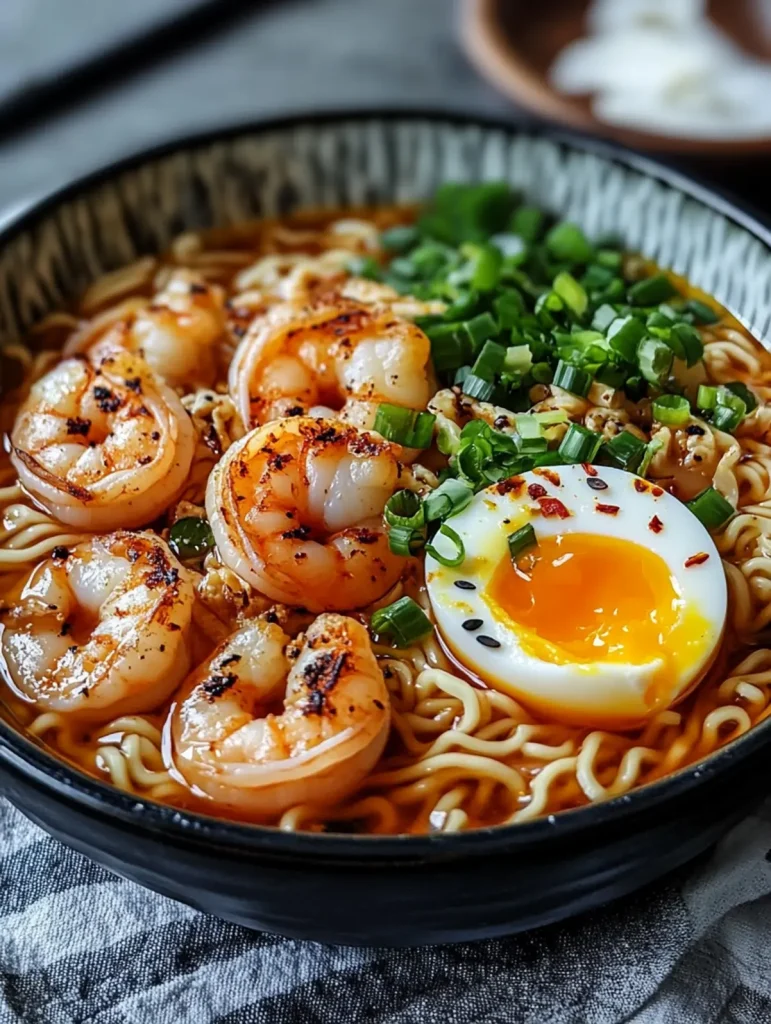
This homemade shrimp ramen is best enjoyed immediately, but components can be stored for later enjoyment with proper handling. For the best results, store broth and noodles separately whenever possible.
The ramen broth can be refrigerated in an airtight container for up to 3 days. The flavor actually deepens overnight as the aromatics continue to infuse, making it even more delicious the next day. However, the cooked shrimp should be consumed within 2 days for optimal freshness and food safety.
Never freeze dishes containing soft-boiled eggs or cooked noodles, as their texture will deteriorate significantly. If you want to prepare components ahead, the broth base (without noodles, shrimp, or eggs) can be frozen for up to 1 month. I’ve found that storing broth in silicone ice cube trays creates perfect single-serving portions that thaw quickly for weeknight meals. When reheating, bring the broth to a gentle simmer, cook fresh noodles, add shrimp, and top with a freshly prepared soft-boiled egg for that restaurant-quality experience at home.
Tips for the Best Irresistible Homemade Shrimp Ramen with Soft-Boiled Egg
Here are the secrets to elevating your homemade shrimp ramen from good to unforgettable:
- Perfect egg timing : For that Instagram-worthy jammy egg, use a timer set to exactly 6½ minutes and plunge immediately into ice water. I’ve found that room-temperature eggs crack less and cook more evenly.
- Broth layering : Add aromatics in stages—ginger first, then garlic and sesame oil later—to create a more complex flavor profile in your shrimp ramen broth without requiring hours of simmering.
- Noodle strategy : Cook ramen noodles directly in your broth, but slightly undercook them (about 30 seconds less than package directions). They’ll continue absorbing broth and reach perfect texture by the time you serve.
- Shrimp timing matters : Add shrimp only when noodles are halfway done to prevent overcooking. They need just 2-3 minutes until pink—any longer and they’ll become rubbery instead of tender.
- Mise en place essential : Have all garnishes (green onions, nori, sesame seeds) prepared before you start cooking the noodles. Once assembled, this dish waits for no one—serving immediately preserves the perfect texture.
Make Ahead Options
This Shrimp Ramen with Soft-Boiled Egg is perfect for meal prep enthusiasts looking to streamline weeknight cooking! The soft-boiled eggs can be prepared up to 3 days in advance and stored peeled in the refrigerator (keep them in cold water to prevent drying). You can also prep all vegetables—slice mushrooms, wash spinach, and chop green onions— up to 24 hours ahead and store them covered in the fridge. The aromatics like garlic and ginger can be minced and combined in a small container overnight. When ready to serve, simply heat the broth, add your prepped ingredients following the original timing, and you’ll have restaurant-quality shrimp ramen in just 10 minutes instead of 25!
Serving Suggestions
This Shrimp Ramen with Soft-Boiled Egg is a meal in itself, but a few thoughtful accompaniments can elevate it from delicious to extraordinary.
I love serving this ramen in deep, pre-warmed bowls to keep everything hot while you enjoy each spoonful. For a complete dining experience, offer small dishes of extra toppings on the side – additional nori strips, a bowl of sliced green onions, and a small dish of chili paste allow everyone to customize their bowl to their preference.
For a more substantial meal, pair your shrimp ramen with simple sides that complement without overwhelming the main attraction. Crispy vegetable gyoza or a small cucumber salad dressed with rice vinegar and sesame oil provides refreshing contrast to the rich, savory broth. The acidity helps cut through the umami flavors of the broth and balances the richness of the soft-boiled egg.
When it comes to drinks, nothing beats a cold Japanese beer or hot green tea with this dish. If you’re feeling adventurous, try serving it with a small cup of warm sake, which brings out the delicate sweetness of the shrimp and enhances the complex flavors of your homemade broth.
Variations & Substitutions
Don’t worry if you don’t have every ingredient on hand or need to accommodate dietary preferences—this ramen recipe is wonderfully flexible. Here are some thoughtful ways to make it your own while maintaining that delicious homemade ramen experience.
- Protein swap : While shrimp creates a delicate seafood flavor, you can easily substitute with chicken breast, thinly sliced beef, or tofu for vegetarians. I often use leftover rotisserie chicken when I need a quick weeknight option without sacrificing flavor.
- Noodle alternatives : Traditional ramen noodles work best, but in a pinch, other options like rice noodles (for gluten-free diets), soba noodles, or even angel hair pasta will work. Just adjust cooking times accordingly as these alternatives cook differently than ramen.
- Broth variations : The chicken broth base can be swapped for dashi (Japanese fish stock) for more authentic flavor, or use 100% vegetable broth for a vegetarian version. For richer flavor, try adding a tablespoon of tahini or peanut butter to the broth.
- Heat customization : Beyond chili paste, try adding a dash of gochujang for Korean-inspired spicy sweetness, or a spoonful of doubanjiang (Chinese fermented chili bean paste) for deep, complex heat. When serving kids, I keep the broth mild and offer chili oil on the side for adults.
- Veggie flexibility : The mushrooms and greens can be traded based on what’s in your fridge. Try corn kernels and bean sprouts for sweetness and crunch, or add julienned carrots and snow peas for color and texture. Kimchi makes a fantastic addition for tangy complexity.
- Egg options : If soft-boiled eggs aren’t your preference, try marinating hard-boiled eggs overnight in soy sauce and mirin for traditional ajitama eggs, or simply top with a fried egg for similar richness with less precision timing.
Recipe FAQs
Can I substitute the shrimp with another protein? Chicken, tofu, or pork work beautifully.
Is miso paste really optional? Yes, but it adds wonderful umami depth.
How do I prevent rubbery shrimp? Add them only when noodles are halfway done.
Can I make the broth ahead of time? Absolutely! It deepens in flavor overnight.
What’s the secret to perfect soft-boiled eggs? Exactly 6½ minutes, then immediate ice bath.
Can I use different vegetables? I regularly swap in whatever’s seasonal!
- 0 Facebook
- 0 Pinterest
- 1 Email
- Copy Link
- 1 share
Irresistible Homemade Shrimp Ramen with Soft-Boiled Egg
Ingredients
Instructions
Prepare the soft-boiled eggs first by bringing a small pot of water to a boil. Gently lower eggs into the water and cook for exactly 6½ minutes for that perfectly jammy yolk. Transfer immediately to an ice bath, then peel when cool enough to handle and set aside.
Combine the chicken broth, water, soy sauce, miso paste (if using), and sliced ginger in a large pot. Bring to a gentle simmer over medium heat and cook for 5 minutes to allow the flavors to meld together.
Add minced garlic, sesame oil, and chili paste (if desired) to the simmering broth. I find that adding these aromatics a bit later preserves their vibrant flavors while still infusing the broth beautifully.
Stir in the mushrooms and cook for 2 minutes until they begin to soften. The mushrooms will absorb the flavorful broth and release their own earthy essence into the soup.
Add the ramen noodles to the pot and cook according to package instructions, usually 2-3 minutes until just tender. When the noodles are about halfway cooked, add the shrimp and continue cooking until they turn pink and opaque.
Stir in the baby spinach or bok choy and cook just until wilted, about 30 seconds. The residual heat from the broth will continue cooking the greens, so it’s best to remove the pot from heat once they begin to wilt.
Ladle the ramen into bowls and top with halved soft-boiled eggs. The eggs should have set whites and luscious, runny centers that will enrich the broth as you eat.
Garnish each bowl with sliced green onions, nori strips if using, and a sprinkle of sesame seeds. Sometimes I’ll add an extra drizzle of chili oil on top for that stunning red sheen and extra heat.
Notes
Perfect egg timing: For that Instagram-worthy jammy egg, use a timer set to exactly 6½ minutes and plunge immediately into ice water. I’ve found that room-temperature eggs crack less and cook more evenly.
Broth layering: Add aromatics in stages—ginger first, then garlic and sesame oil later—to create a more complex flavor profile in your shrimp ramen broth without requiring hours of simmering.
Noodle strategy: Cook ramen noodles directly in your broth, but slightly undercook them (about 30 seconds less than package directions). They’ll continue absorbing broth and reach perfect texture by the time you serve.
Shrimp timing matters: Add shrimp only when noodles are halfway done to prevent overcooking. They need just 2-3 minutes until pink—any longer and they’ll become rubbery instead of tender.
Mise en place essential: Have all garnishes (green onions, nori, sesame seeds) prepared before you start cooking the noodles. Once assembled, this dish waits for no one—serving immediately preserves the perfect texture.
Nutrition
| Serving Size | 1 bowl |
|---|---|
| Calories | 450 calories |
| Sugar Content | 2g |
| Sodium Content | 800mg |
| Fat Content | 15g |
| Saturated Fat Content | 2g |
| Unsaturated Fat Content | 10g |
| Trans Fat Content | 0g |
| Carbohydrate Content | 60g |
| Fiber Content | 3g |
| Protein Content | 30g |
| Cholesterol Content | 180mg |