- 0 Facebook
- 485 Pinterest
- 1 Email
- Copy Link
- 486 shares
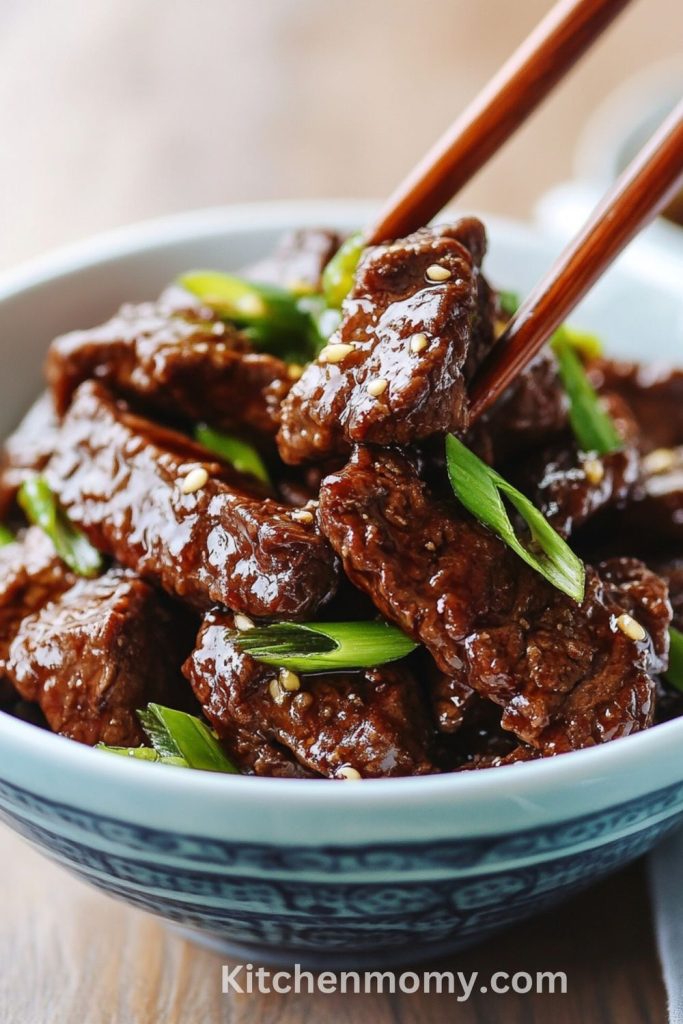
Are you craving a savory, mouth-watering dish that’s both quick and easy to prepare? Look no further than Mongolian Beef, a classic favorite in Asian cuisine. This delightful dish combines tender strips of beef with a rich, flavorful sauce made from soy sauce, ginger, and garlic. Perfect for a weeknight dinner or a special occasion, Mongolian Beef is sure to impress. In just 30 minutes, you can create a restaurant-quality meal right in your own kitchen. Whether you’re a seasoned chef or a beginner, you’ll find this recipe easy to follow and incredibly satisfying.
What is Mongolian Beef?
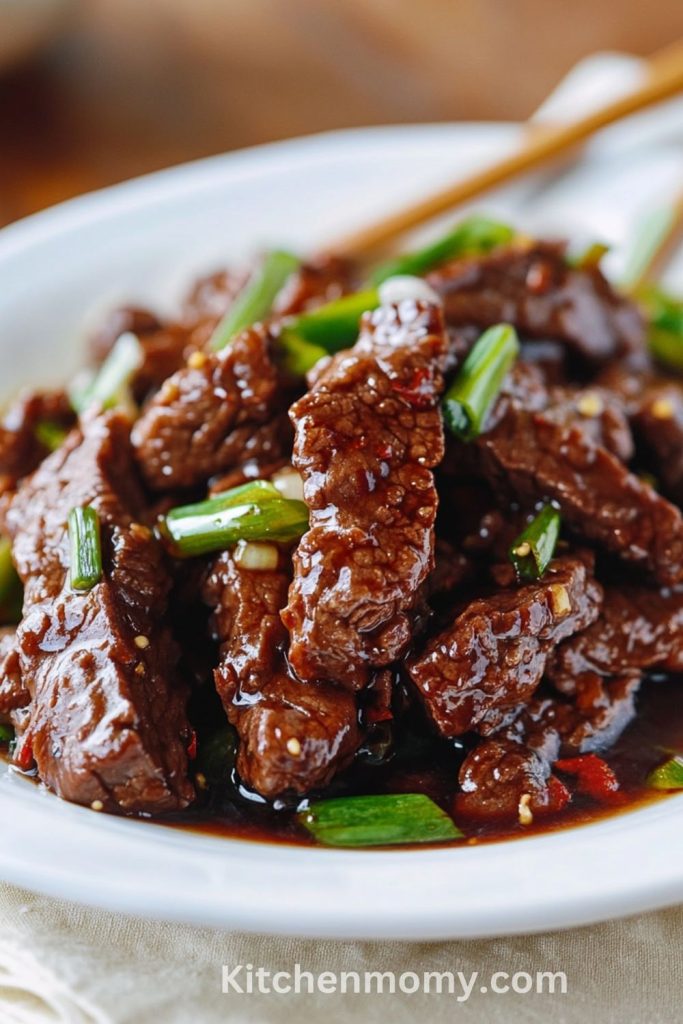
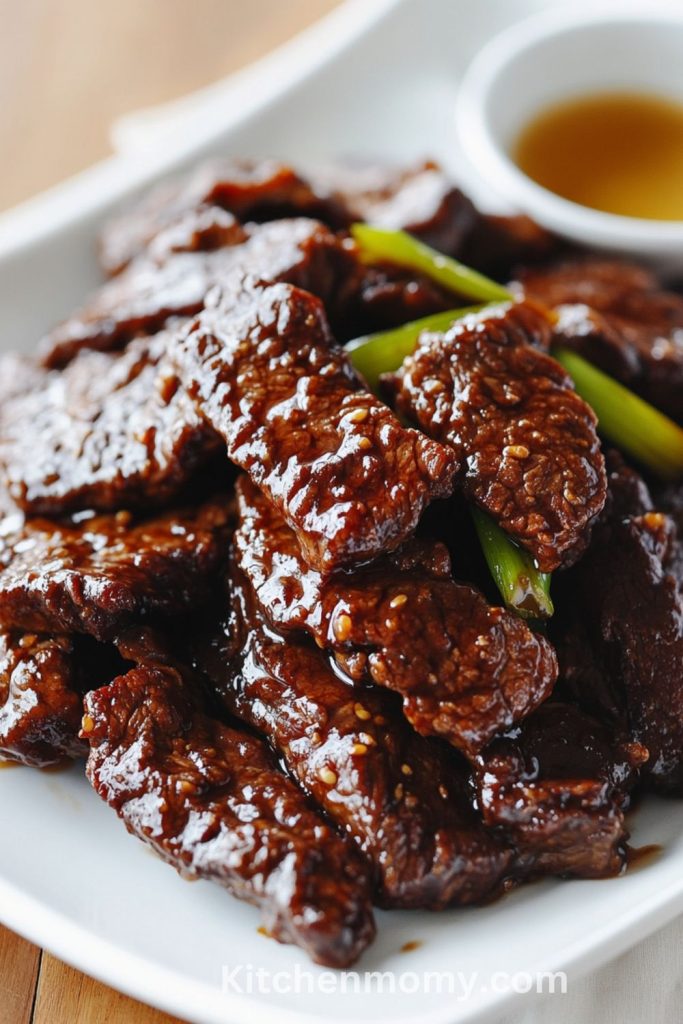
Mongolian Beef is a popular takeout dish featuring tender strips of beef stir-fried with green onions in a savory and slightly sweet brown sauce. Despite its name, this dish is rooted in Chinese-American cuisine rather than traditional Mongolian fare. Its distinct flavor profile comes from a rich combination of soy sauce, brown sugar, and garlic, making it a favorite for weeknight dinners and special occasions alike.
Why You’ll Love This Recipe:
You’ll fall in love with this Mongolian Beef recipe because it’s incredibly easy to make, yet unbelievably flavorful. Perfect for busy weeknights, it comes together in under 30 minutes while delivering a restaurant-quality meal. The rich, sweet, and savory garlic and ginger sauce clings to each tender slice of beef, creating a tantalizing taste explosion with every bite. Plus, it’s easily customizable with your favorite vegetables. Whether you’re an experienced cook or just starting in the kitchen, this foolproof recipe ensures a delicious and satisfying dish every single time. Prepare to impress yourself and anyone lucky enough to share it with you!
Ingredients in Mongolian Beef:
- Beef slices: Thinly sliced, tender cuts of beef, often flank or sirloin, perfect for quick cooking.
- Cornstarch: Helps to tenderize the beef and gives a crispy texture.
- Carrots: Adds a sweet crunch and vibrant color to the dish.
- Bell Peppers: Provides a fresh, sweet, and slightly tangy flavor.
- Green Onions: Adds a mild onion flavor and garnish for color.
- Soy Sauce: Key ingredient for a rich, salty, and umami-packed sauce.
- Sesame Seeds: Toasted seeds for a nutty flavor and crunchy texture.
Step-by-Step Instructions on Mongolian Beef:
- Beef: Typically, flank steak is the choice cut for its tenderness.
- Soy Sauce: Adds a rich, umami flavor to the dish.
- Brown Sugar: Provides the sweet balance to the savory elements.
- Ginger: Adds warmth and a slight peppery hint to the sauce.
- Garlic: Enhances the overall flavor with its pungency.
- Vegetable Oil: Used for frying and cooking the beef.
- Cornstarch: Helps to create a crispy coating on the beef when fried.
- Green Onions: Adds a fresh and slightly sharp flavor to the dish.
- Red Pepper Flakes: For adding a touch of heat and spice to the sauce.
Cooking Tips:
- Prep Ingredients: Assemble and prepare all ingredients before starting to ensure a smooth cooking process.
- Right Oil: Use oils like canola or vegetable oil that have a high smoke point.
- Hot Pan: Ensure the skillet is hot before adding beef to achieve a good sear.
- Slice Thin: Slice beef into thin strips for quicker, even cooking and better texture.
- Simmer Sauce: Allow sauce to simmer, thickening naturally for deeper flavor integration.
Cooking Techniques:
- Searing: Quickly cooking beef in hot oil for a browned, flavorful exterior.
- Simmering: Cooking the sauce on low heat to enhance flavors without rapid boiling.
- Velveting: Coating beef in cornstarch to keep it tender and juicy during cooking.
- Flash Stir-frying: High heat method to cook ingredients swiftly, preserving texture.
- Deglazing: Adding liquid to hot pan to dissolve browned bits, enriching the sauce.
- Steaming: Cooking rice using steam for light and fluffy texture.
What To Serve with Mongolian Beef:
- White Rice
- Brown Rice
- Fried Rice
- Steamed Broccoli
- Bok Choy
- Snow Peas
- Quinoa
- Spring Rolls
- Egg Rolls
- Lo Mein Noodles
- Udon Noodles
- Soba Noodles
Variations and substitutions for the Mongolian Beef:
- Protein Swap: Try chicken, pork, or tofu for a different take.
- Vegetarian Option: Replace beef with mushrooms or cauliflower.
- Gluten-Free: Use tamari or coconut aminos instead of soy sauce.
- Add Veggies: Include bell peppers, snap peas, or carrots.
- Sugar Alternative: Substitute brown sugar with honey, agave, or coconut sugar.
- Spice Level: Add red pepper flakes or sriracha for extra heat.
- Low-Sodium: Opt for low-sodium soy sauce.
Health Benefits of Mongolian Beef:
- Protein-Rich: High-quality protein from beef helps in muscle building and repair.
- Iron Source: Beef is a good source of iron, essential for oxygen transport in the body.
- Vitamin B12: Crucial for brain health and red blood cell formation.
- Vegetable Nutrients: Often includes additions like green onions, which provide vitamins and minerals.
- Homemade Advantages: Preparing it at home allows for healthier oil choices and sodium control.
Storing Tips:
- Refrigerate Promptly: Store leftovers in an airtight container in the fridge within two hours of cooking.
- Use Within Three Days: Consume refrigerated Mongolian Beef within three days for optimal taste and safety.
- Label and Date: Always label containers with the date to keep track of freshness.
- Avoid Stacking: Lay containers flat to ensure even cooling and prevent food from spoiling.
- Freeze for Longevity: Freeze portions in airtight containers to extend shelf life for up to two months.
- Reheat Gently: Reheat in a pan on low to medium heat to maintain texture and flavor.
- Avoid Re-Freezing: Do not refreeze previously frozen and thawed Mongolian Beef to maintain quality.
- Small Portions: Store in single-meal portions for easy reheating and to reduce wastage.
- Use Freezer Bags: Opt for freezer bags to save space and keep your freezer organized.
- Vacuum Seal: Vacuum sealing removes air, preserving the beef’s flavor and preventing freezer burn.
- Thaw Safely: Thaw frozen Mongolian Beef in the fridge overnight to maintain texture and safety.
- Avoid Microwave: Avoid microwaving to reheat as it can make the meat rubbery and unevenly heated.
- Stainless Steel Containers: Use stainless steel containers for refrigeration to help keep the beef fresh longer.
- Stir Before Reheating: Stir the beef to evenly distribute the sauce and avoid clumps.
- Add Moisture: Add a splash of water or broth when reheating to keep it from drying out.
Conclusion:
By now, you should be well-equipped to whip up a delicious and authentic Mongolian Beef at home. It’s a fantastic dish for any occasion, whether you’re hosting a dinner party or simply wanting to treat yourself to a flavorful meal. With easy-to-find ingredients and straightforward cooking techniques, you’ll find this recipe satisfying and doable, even on a busy night. Remember, the key to great flavor is in the balance of savory and sweet, so don’t be afraid to adjust the seasoning to your taste. Enjoy your cooking adventure and savor every bite!
FAQs:
Yes, refrigerate and reheat later.
Flank or sirloin work well.
Mild but can add spice.
Yes, chicken is a good substitute.
Approximately 30 minutes total.
Broccoli, bell peppers, and snap peas.
Yes, store in airtight container.
- 0 Facebook
- 485 Pinterest
- 1 Email
- Copy Link
- 486 shares
Mongolian Beef Recipe
Ingredients
Instructions
Combine beef with marinade ingredients, marinate for 1 hour.
If beef looks dry, add a tablespoon of water.
Mix sauce: dissolve sugar, stir in soy sauces.
Dredge marinated beef in cornstarch until thoroughly coated.
Heat 2/3 cup neutral oil in wok, high heat.
Sear beef 1 minute each side, then remove.
Drain oil, reserving 1 tablespoon, heat wok medium-high.
Add ginger and dried chilies to hot oil.
Add garlic and white scallions, stir, then premixed sauce.
Simmer sauce 2 minutes, add cornstarch slurry, thicken.
Add beef, green scallions, toss for 30 seconds. Serve.