- 0 Facebook
- 39 Pinterest
- 0 Email
- Copy Link
- 39 shares
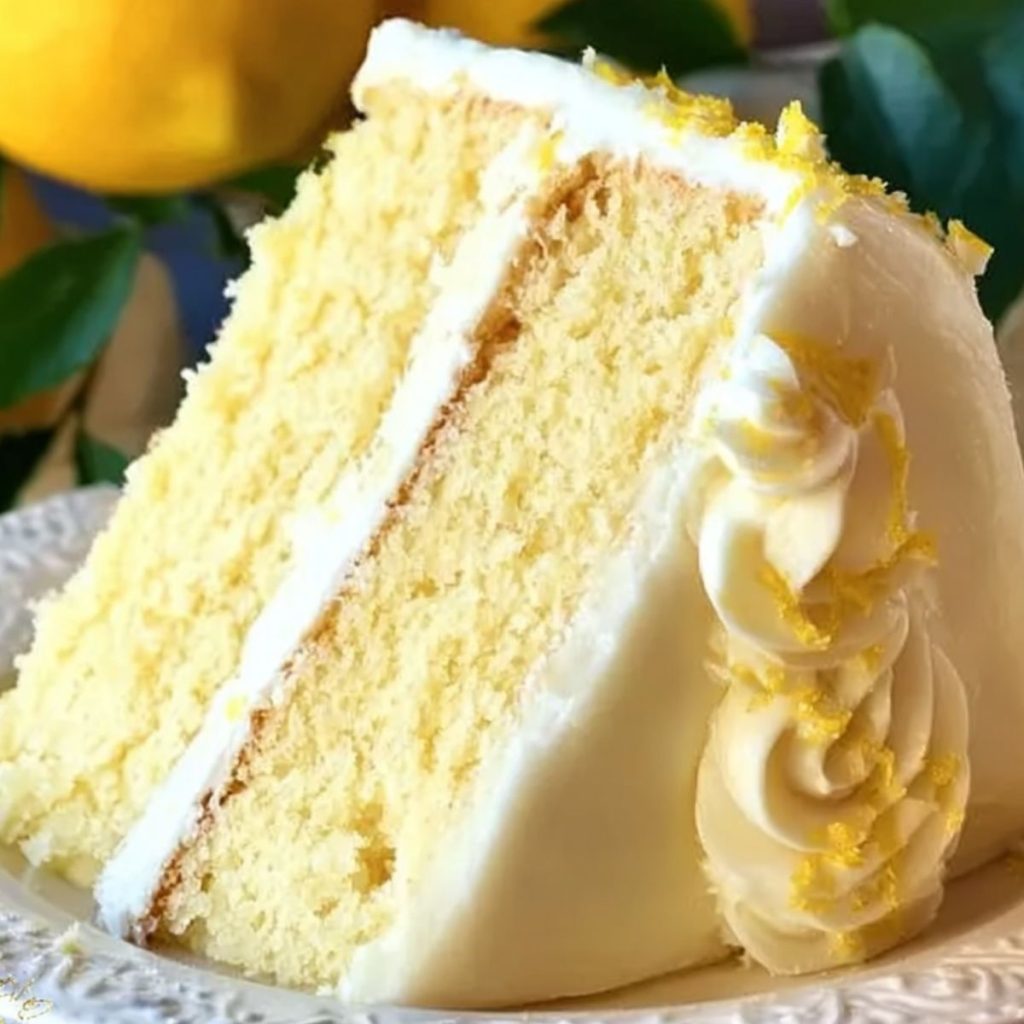
This luscious Heavenly Lemon Velvet Cake delivers a bright burst of citrus in every velvety bite. The delicate crumb practically melts on your tongue, with real lemon zest infused throughout both the moist, fluffy layers and the silky-smooth frosting. It’s a sunshine-yellow masterpiece that balances sweet richness with refreshing tanginess — the kind of dessert that makes everyone pause mid-conversation to savor another forkful. Serve it on a pretty cake stand with fresh berries for a dessert that feels both elegant and comforting.
Why It’s a Trusted Favorite
This Heavenly Lemon Velvet Cake combines classic technique with bright, modern flavor for a dessert that never disappoints. Here’s why bakers keep coming back to this recipe:
- Perfect Moisture Balance : The buttermilk works magic with the butter to create that elusive texture that’s rich yet impossibly light, preventing the dreaded dry cake syndrome entirely.
- Real Lemon Flavor : Using both fresh juice and zest delivers authentic citrus brightness that bottled alternatives simply can’t match—the difference is immediately noticeable in both aroma and taste.
- Make-Ahead Friendly : The cake actually develops deeper flavor when prepared a day before serving, making it ideal for stress-free entertaining when the dessert is already waiting in the refrigerator .
- Foolproof Frosting : The lemon frosting achieves that professional bakery smoothness while remaining pipeable and stable at room temperature—no sliding layers or melting disasters.
- Showstopper Status : With its sunny yellow hue and tender crumb, this cake consistently earns those “Can I have the recipe?” requests at gatherings without requiring advanced decorating skills.
Ingredient Breakdown with Tips
Every component in this Lemon Velvet Cake plays a crucial role in creating its signature texture and bright flavor profile. Quality ingredients handled correctly will elevate your cake from good to unforgettable.
- All-purpose flour : Creates the cake’s structural foundation while allowing for a tender crumb. For an even lighter texture, measure by spooning the flour into measuring cups rather than scooping directly from the container.
- Granulated sugar : Beyond sweetness, sugar tenderizes the cake by interfering with gluten development and helps create that velvety mouthfeel. Room temperature sugar creams more effectively with butter.
- Baking powder : The primary leavening agent that gives this cake its impressive rise. Check the expiration date—fresh baking powder can make the difference between a flat cake and a fluffy masterpiece.
- Baking soda : Works with the acidic ingredients (buttermilk and lemon juice) to create additional lift and tenderness. The small amount balances pH without creating a soapy aftertaste.
- Salt : Enhances all the flavors in the cake, particularly bringing out the lemon notes. Even in sweet recipes, this small amount is essential for depth of flavor.
- Unsalted butter : Provides rich flavor and creates tiny air pockets when creamed with sugar. The “softened” stage is critical—butter should yield to gentle pressure but still hold its shape, not be melty.
- Buttermilk : Adds moisture while its acidity tenderizes the crumb and activates the leaveners. No buttermilk? Make a substitute by adding 1 tablespoon lemon juice to regular milk and letting it sit for 10 minutes.
- Eggs : Provide structure, moisture, and richness. Using room temperature eggs prevents the butter mixture from curdling when they’re added.
- Fresh lemon juice : Delivers bright, authentic acidity that defines this cake. Always use freshly squeezed for a clean flavor—bottled versions often contain preservatives that affect taste.
- Lemon zest : Contains the aromatic oils that give true lemon flavor. When zesting, avoid the bitter white pith beneath the yellow surface and zest directly into your mixing bowl to capture all the fragrant oils.
- Vanilla extract : Balances and enhances the lemon flavor with its warm, sweet notes. Pure extract (rather than imitation) provides more complex flavor notes.
For the Lemon Frosting:
- Unsalted butter : Creates a rich base for the frosting. The temperature is critical—too cold and it won’t blend smoothly; too warm and the frosting will be runny.
- Powdered sugar : Provides sweetness and structure to the frosting. Sifting eliminates lumps for the smoothest possible texture.
- Fresh lemon juice : Cuts through the sweetness of the frosting while reinforcing the cake’s lemony profile. Add gradually to control consistency.
- Lemon zest : Intensifies the citrus flavor and adds beautiful yellow flecks throughout the frosting. Reserve a pinch for garnishing the finished cake.
- Vanilla extract : Rounds out the sharp lemon notes with its mellow sweetness, creating a more complex flavor profile.
- Salt : A small pinch balances sweetness and enhances the buttery richness of the frosting. Even this tiny amount makes a noticeable difference in flavor depth.
Step-by-Step Instructions
- Preheat your oven to 350°F (175°C) and prepare two 9-inch cake pans by greasing them thoroughly and lining the bottoms with parchment paper. This extra step ensures your cakes will release perfectly without sticking.
- Whisk together the flour, baking powder, baking soda, and salt in a medium bowl until well combined. I find sifting these ingredients creates an even lighter texture in the finished cake.
- Beat the softened butter and granulated sugar in a large bowl using an electric mixer on medium-high speed for 3-4 minutes until pale and fluffy. This extended creaming process incorporates air that gives the cake its velvet texture.
- Add eggs one at a time, beating well after each addition. Make sure to scrape down the sides of the bowl to ensure everything is evenly incorporated.
- Mix in the lemon zest, lemon juice, and vanilla extract until just combined. The batter might look slightly curdled at this point – don’t worry, this is perfectly normal.
- Gradually add the dry ingredients to the butter mixture in three additions, alternating with the buttermilk (beginning and ending with the flour mixture). Mix on low speed just until combined after each addition to avoid overmixing.
- Divide the batter evenly between the prepared pans and smooth the tops with a spatula. Bake for 25-30 minutes, until a toothpick inserted in the center comes out clean and the cake springs back when lightly touched.
- For the frosting, beat the softened butter in a large bowl until creamy, then gradually add the powdered sugar, lemon juice, lemon zest, vanilla extract, and salt. Continue beating until light and fluffy – about 3 minutes. The frosting should hold soft peaks and spread easily.
Allow your cakes to cool in the pans for 10 minutes, then turn out onto wire racks to cool completely before frosting. Resist the urge to frost while warm – patience here ensures your frosting won’t melt off the sides!
Expert Tips
Here’s how to elevate your Lemon Velvet Cake from good to unforgettable:
- Room temperature matters: Ensure butter, eggs, and buttermilk are at room temperature before starting—cold ingredients won’t emulsify properly, affecting your Lemon Velvet Cake’s tender crumb.
- Zest before juicing: Always zest your lemons before cutting and juicing them—it’s nearly impossible to zest a squeezed lemon half and you’ll capture more of those fragrant oils.
- Prevent dome tops: I’ve found tapping filled cake pans firmly on the counter 2-3 times removes air bubbles and helps cakes rise more evenly without excessive doming.
- Frosting consistency trick: If your frosting becomes too thick, add buttermilk (not more lemon juice) in tiny increments—it maintains creaminess without making the frosting too tangy.
- Create a crumb coat: For a professional finish, apply a thin layer of frosting first, chill for 20 minutes, then add the final coat—this seals in crumbs for a perfectly smooth exterior.
Make-Ahead Tips for Lemon Velvet Cake
This Lemon Velvet Cake is absolutely perfect for meal prep and busy entertaining schedules! You can bake the cake layers up to 3 days ahead – just wrap them tightly in plastic wrap and store at room temperature (they’ll actually become more moist and flavorful). The lemon frosting can be prepared up to 2 days in advance and refrigerated in a covered container. When you’re ready to assemble, let the frosting come to room temperature and give it a quick whip with your mixer to restore its fluffy texture. The fully frosted cake keeps beautifully in the refrigerator for up to 5 days, making it ideal for stress-free party planning when you want that homemade wow factor without last-minute kitchen chaos.
Variations & Substitutions
The beauty of this Lemon Velvet Cake lies in its adaptability. Feel free to make it your own with these simple tweaks based on what you have on hand or your personal preferences!
- Citrus swaps : While lemon is the star, you can substitute Meyer lemons for a sweeter, more floral profile, or try a combination of lemon and lime zest for a more complex citrus flavor.
- Make it gluten-free : Replace the all-purpose flour with a 1:1 gluten-free baking flour blend. I’ve found that adding an extra egg helps maintain the cake’s structure and moistness when using gluten-free alternatives.
- Dairy alternatives : For a dairy-free version, substitute the butter with high-quality plant-based butter sticks (not tub spreads) and replace buttermilk with almond milk plus 1 tablespoon vinegar.
- Berry additions : Fold 1 cup of fresh blueberries or raspberries into the batter just before baking for beautiful bursts of color and complementary flavor. Frozen berries work too—just don’t thaw them first.
- Flavor boost : Add 1/2 teaspoon of almond extract alongside the vanilla for a sophisticated flavor dimension that pairs beautifully with the lemon.
- Frosting variations : Transform the basic lemon frosting by adding 4 ounces of softened cream cheese for a tangier profile, or fold in 1/2 cup of whipped cream for an ultra-light, mousse-like topping.
Storage & Freezing
This Heavenly Lemon Velvet Cake can be stored at room temperature for up to 2 days in a cake keeper or under a cake dome to maintain its moisture. For longer storage, refrigerate the cake in an airtight container for up to 5 days. I’ve found that removing the cake from the refrigerator about 30 minutes before serving allows the frosting to soften and the flavors to fully bloom.
To freeze this lemon cake, you have two options: freeze the unfrosted cake layers or freeze the completed cake. For unfrosted layers, wrap each completely cooled layer tightly in plastic wrap, followed by aluminum foil, and freeze for up to 2 months. For a frosted cake, place it uncovered in the freezer until the frosting hardens (about 2 hours), then wrap tightly and freeze for up to 1 month.
When ready to enjoy frozen cake, thaw unfrosted layers at room temperature for about 2 hours before frosting. For a complete frozen cake, thaw overnight in the refrigerator , then let stand at room temperature for 1-2 hours before serving. The bright lemon flavor actually holds up remarkably well through freezing, though the frosting texture might become slightly less fluffy than when freshly made.
Serving Suggestions
This Lemon Velvet Cake is a versatile dessert that shines in multiple settings, from casual afternoon treats to elegant celebrations.
For a picture-perfect presentation, I love serving each slice on a white dessert plate with a small dollop of freshly whipped cream and a few plump berries on the side—the deep blue of blueberries or rich red of raspberries creates a stunning color contrast against the sunny yellow cake. The berries’ slight tartness beautifully complements the cake’s lemony brightness.
For a more indulgent experience, pair a slice with a scoop of vanilla bean ice cream, allowing it to slightly melt against the cake’s warm flavors. The cold creaminess creates a delightful temperature contrast that enhances the velvety cake texture.
Beverage pairings elevate this dessert to another level. A cup of Earl Grey tea makes a perfect companion, as its subtle bergamot notes echo the citrus elements in the cake. For special occasions, consider serving with prosecco or a limoncello spritz—the bubbles cut through the rich buttercream while highlighting the fresh lemon flavor from the zest used in both cake and frosting.
Recipe FAQs
Can I make this cake without buttermilk? Mix 1 tablespoon lemon juice with regular milk instead.
How do I know when the cake is done? Toothpick inserted in center comes out clean.
Can I make this cake ahead of time? Yes! Flavor actually improves overnight in refrigerator .
Will the frosting hold at room temperature? Yes, it remains stable for several hours.
Can I freeze leftover cake slices? Absolutely—wrap individually and freeze up to 1 month.
Is there a way to intensify the lemon flavor? Add 1/4 teaspoon lemon extract to the batter.
- 0 Facebook
- 39 Pinterest
- 0 Email
- Copy Link
- 39 shares
Heavenly Lemon Velvet Cake: A Bright Citrus Dream
Ingredients
Instructions
Preheat your oven to 350°F (175°C) and prepare two 9-inch cake pans by greasing them thoroughly and lining the bottoms with parchment paper.
Whisk together the flour, baking powder, baking soda, and salt in a medium bowl until well combined.
Beat the softened butter and granulated sugar in a large bowl using an electric mixer on medium-high speed for 3-4 minutes until pale and fluffy.
Add eggs one at a time, beating well after each addition.
Mix in the lemon zest, lemon juice, and vanilla extract until just combined.
Gradually add the dry ingredients to the butter mixture in three additions, alternating with the buttermilk.
Divide the batter evenly between the prepared pans and smooth the tops with a spatula. Bake for 25-30 minutes, until a toothpick comes out clean.
For the frosting, beat the softened butter until creamy, then gradually add the powdered sugar, lemon juice, lemon zest, vanilla extract, and salt. Continue beating until light and fluffy.
Notes
Ensure butter, eggs, and buttermilk are at room temperature.
Always zest your lemons before cutting and juicing them.
Tapping filled cake pans firmly on the counter helps cakes rise more evenly.
If frosting becomes too thick, add buttermilk in tiny increments.
Apply a thin layer of frosting first, chill, then add the final coat for a professional finish.
Nutrition
| Serving Size | 1 slice |
|---|---|
| Calories | 350 calories |
| Sugar Content | 30g |
| Sodium Content | 200mg |
| Fat Content | 15g |
| Saturated Fat Content | 9g |
| Carbohydrate Content | 50g |
| Fiber Content | 1g |
| Protein Content | 4g |
| Cholesterol Content | 85mg |