- 0 Facebook
- 0 Pinterest
- 4 Email
- Copy Link
- 4 shares
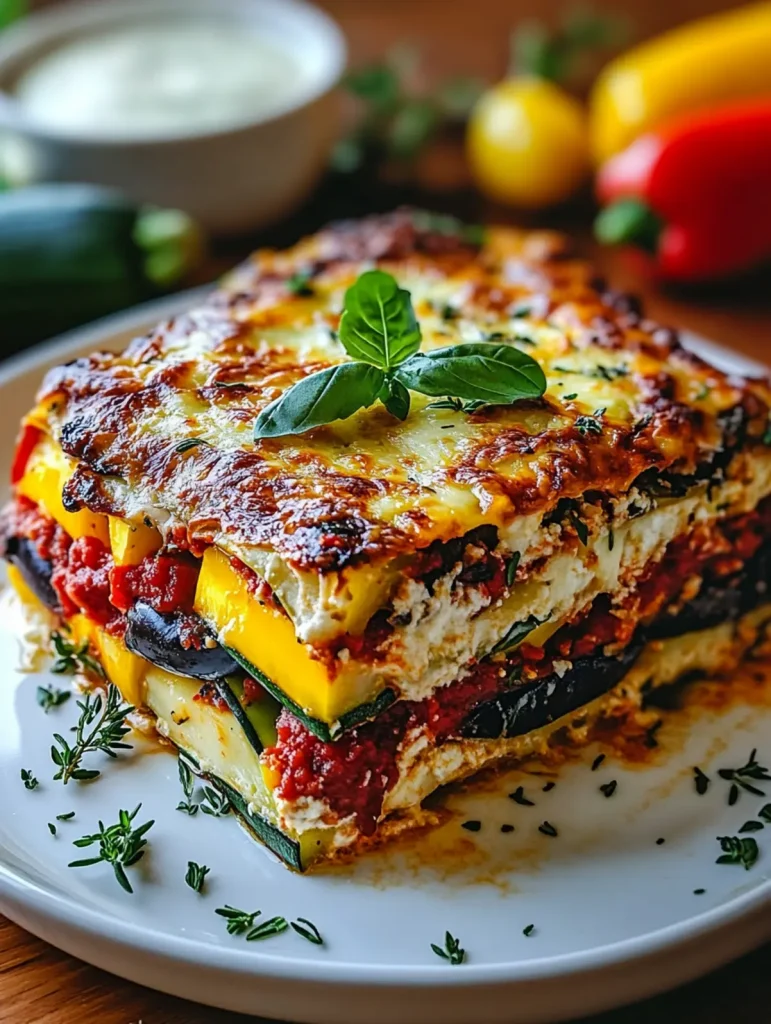
Vibrant layers of Mediterranean vegetables transform this lasagna into a dish that rivals any restaurant favorite. Each forkful delivers a perfect balance of roasted eggplant, tender zucchini, and sweet bell peppers nestled between pasta sheets and draped with a luxurious three-cheese garlic herb sauce. The creamy, golden-topped casserole brings together classic comfort and fresh Mediterranean flavors—without the typical heaviness of traditional lasagna. Pair it with a simple arugula salad dressed with lemon vinaigrette for a complete meal that celebrates homemade goodness.
Why You’ll Love This Recipe
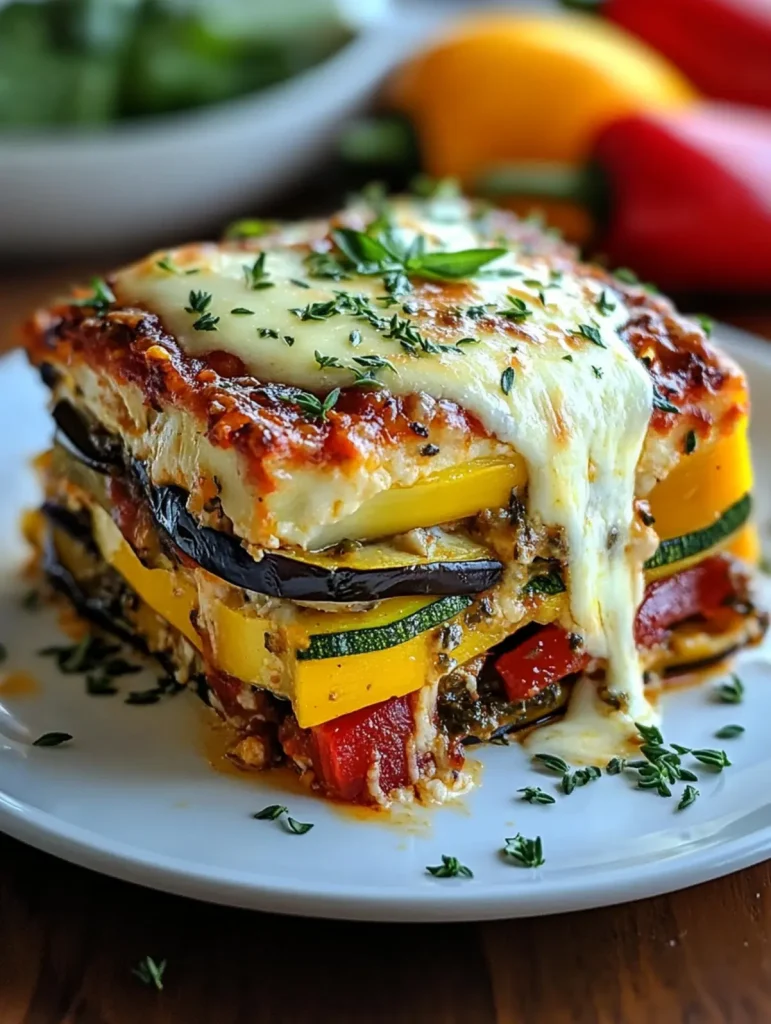
This Mediterranean masterpiece transforms ordinary lasagna into something truly extraordinary with vibrant vegetables and a decadent three-cheese sauce. Here’s why it deserves a permanent spot in your recipe collection:
- Restaurant-Quality Results : The combination of roasted Mediterranean vegetables and creamy herb-infused cheese sauce creates flavors that actually surpass most takeout versions.
- Veggie-Forward Satisfaction : Layers of eggplant, zucchini and bell peppers provide hearty texture and nutrition while keeping the dish lighter than traditional meat lasagnas.
- Make-Ahead Marvel : Assemble this lasagna up to 24 hours before baking, allowing the flavors to meld beautifully while saving precious time on busy weeknights.
- Foolproof Technique : The strategic layering method prevents soggy pasta, ensuring each slice holds together perfectly from the first serving to the last.
- Versatile Crowd-Pleaser : This recipe bridges the gap between comfort food and sophisticated dining, making it perfect for both family dinners and entertaining guests with dietary preferences.
Ingredient Notes
Every element in this Mediterranean Veggie Lasagna contributes to its remarkable depth of flavor and appealing texture. The quality and preparation of each ingredient matters significantly in transforming ordinary vegetables and cheese into an extraordinary dish that truly outshines restaurant versions.
- Eggplants : Select firm, glossy eggplants with minimal blemishes for the best texture and flavor. Salting sliced eggplant for 15 minutes before roasting draws out bitter compounds and excess moisture, ensuring they roast rather than steam.
- Zucchinis : Medium-sized zucchinis offer the perfect balance of tenderness and structure in this lasagna. Avoid oversized zucchinis which tend to be watery and less flavorful.
- Yellow and red bell peppers : These add natural sweetness and vibrant color contrast. Roasting until slightly charred intensifies their natural sugars and creates deeper flavor complexity.
- Olive oil : Use a good quality extra virgin olive oil for roasting the vegetables—its flavor will shine through in the finished dish.
- Salt and black pepper : Kosher salt works best for seasoning vegetables, while freshly ground black pepper provides more pronounced flavor than pre-ground varieties.
- Dried oregano : Mediterranean oregano varieties (Greek or Italian) deliver more authentic flavor than Mexican oregano in this dish.
- Garlic powder : This evenly coats the vegetables during roasting without the risk of burning that comes with fresh garlic. It provides consistent flavor throughout the dish.
- Butter : Use unsalted butter for the béchamel base to maintain precise control over the overall salt level in the recipe.
- All-purpose flour : This creates the roux that thickens the sauce beautifully. Measure precisely for perfect consistency—too much creates gummy sauce, too little results in runny sauce.
- Milk : Whole milk produces the richest flavor, but 2% works well for a slightly lighter version without sacrificing creaminess.
- Heavy cream : This adds luxurious richness to the sauce. Don’t substitute with half-and-half, which can separate during baking.
- Shredded mozzarella : Low-moisture mozzarella melts beautifully without releasing excess water that could make your lasagna soggy.
- Shredded parmesan : Freshly grated Parmigiano-Reggiano offers superior flavor, but pre-shredded works in a pinch. Avoid the shelf-stable grated varieties in canisters.
- Ricotta cheese : Full-fat ricotta provides the creamiest texture, but part-skim works well too. Drain excess liquid if your ricotta seems watery.
- Fresh garlic : Mince finely for the cheese sauce—it infuses beautifully without overwhelming. Garlic press or microplane creates ideal texture.
- Dried basil and parsley : These herbs bloom in the warm cheese sauce, releasing their essential oils. Store herbs in dark cabinets to maintain potency.
- Lasagna sheets : Traditional sheets work beautifully—cook them just to al dente (1-2 minutes shy of package directions) as they’ll continue cooking during baking.
- Extra mozzarella for topping : This creates that irresistible golden, slightly crispy top layer. Consider adding a light sprinkle of breadcrumbs mixed with parmesan for extra texture.
How to Make Better-Than-Takeout Mediterranean Veggie Lasagna
- Preheat your oven to 425°F (220°C). Toss the sliced eggplant, zucchini, and bell peppers with olive oil, salt, black pepper, dried oregano, and garlic powder until evenly coated, then spread on two baking sheets in a single layer. Roast for 20-25 minutes, rotating pans halfway through, until vegetables are tender and lightly caramelized at the edges.
- While the vegetables roast, cook the lasagna sheets in a large pot of salted boiling water until just shy of al dente, about 2 minutes less than package directions. I find this prevents the pasta from becoming mushy during baking. Drain, rinse with cool water, and lay flat on kitchen towels to prevent sticking.
- Make the cheese sauce by melting butter in a medium saucepan over medium heat. Add the flour and whisk constantly for 1-2 minutes until it forms a smooth, golden paste. Gradually pour in the milk and cream while continuing to whisk, eliminating any lumps before adding more liquid.
- Bring the sauce to a gentle simmer, stirring frequently until it thickens enough to coat the back of a spoon, about 5 minutes. Remove from heat and stir in half the mozzarella and parmesan until melted. Add the ricotta, minced garlic, dried basil, dried parsley, and season with salt and pepper to taste.
- Reduce oven temperature to 375°F (190°C). Spread a thin layer of cheese sauce on the bottom of a 9×13-inch baking dish . Layer with 3 lasagna sheets, followed by ⅓ of the roasted vegetables, and ¼ of the remaining cheese sauce. Repeat layering twice more, finishing with a final layer of pasta topped with the last of the cheese sauce.
- Sprinkle the additional mozzarella over the top layer. Cover with foil (spray the underside with cooking spray to prevent sticking) and bake for 25 minutes. Remove foil and bake for another 15-20 minutes until the top is golden and bubbling around the edges.
- Let the lasagna rest for at least 15 minutes before slicing—this is crucial for allowing the layers to set and the flavors to meld together. The wait might test your patience, but I promise it makes all the difference in both texture and flavor.
This lasagna keeps well in the refrigerator for up to 3 days. For best results when reheating, let it come to room temperature for 30 minutes before warming in a 350°F oven until heated through.
Storage & Freezing
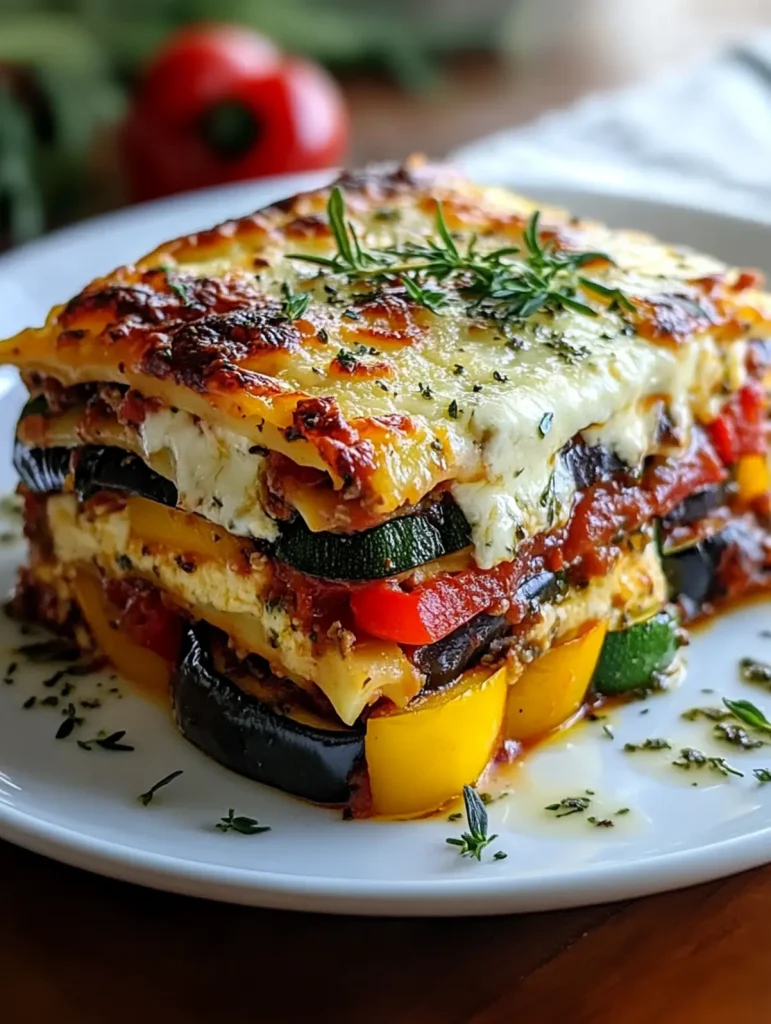
This Mediterranean Veggie Lasagna stores exceptionally well, making it perfect for meal prep or enjoying delicious leftovers throughout the week. The roasted vegetables and cheese sauce maintain their integrity beautifully with proper storage.
For refrigeration, allow the lasagna to cool completely before transferring portions to airtight containers. It will keep fresh in the refrigerator for 3-4 days. The cream-based sauce may thicken slightly when chilled, which is completely normal. I actually find the flavors develop and intensify after a day in the fridge, making the leftovers even more delicious than the first serving.
This lasagna freezes remarkably well for up to 3 months. For best results, portion it before freezing and wrap each piece tightly in plastic wrap, then aluminum foil or place in freezer-safe containers. The vegetables maintain their texture better than you might expect, though the eggplant may become slightly softer upon thawing. Thaw frozen portions overnight in the refrigerator before reheating.
To reheat refrigerated or thawed portions, cover with foil and warm in a 350°F (175°C) oven for 20-25 minutes until heated through. For the best texture, avoid microwaving if possible, as it can make the pasta chewy and cause the sauce to separate. If using a microwave is necessary, use medium power in 1-minute intervals, adding a splash of milk if the sauce seems too thick. Allow the reheated lasagna to rest for 2-3 minutes before serving to let the cheese sauce re-stabilize.
Variations & Substitutions
This recipe is wonderfully adaptable to your pantry and preferences—feel free to customize while keeping the Mediterranean essence intact.
- Gluten-free adaptation : Use gluten-free lasagna sheets and replace the all-purpose flour with a 1:1 gluten-free flour blend in the cheese sauce. The vegetables create such substantial structure that the lasagna holds together beautifully even with these substitutions.
- Dairy alternatives : For a lighter version, I sometimes substitute the heavy cream with unsweetened cashew cream or coconut milk. You can also use plant-based cheeses, though I recommend finding brands specifically formulated for melting.
- Add some protein : Incorporate sautéed mushrooms for meaty texture without meat, or layer in cooked lentils for plant-based protein. If you’re not vegetarian, crumbled Italian sausage or shredded rotisserie chicken work wonderfully between the vegetable layers.
- Mediterranean flavor boost : Enhance the regional profile by adding ¼ cup chopped kalamata olives, 2 tablespoons capers, or a layer of sautéed spinach with feta cheese. Fresh herbs like basil or oregano scattered between layers brighten the flavors significantly.
- Veggie variations : No eggplant? Substitute with roasted portobello mushrooms for similarly meaty texture. Butternut squash works beautifully in place of zucchini, especially in fall and winter months when seasonal produce changes.
- Make it ahead : Assemble the entire lasagna up to 24 hours before baking, keeping it covered in the refrigerator . Allow an extra 10-15 minutes of baking time if starting from cold, and your dinner guests will never know you prepared it in advance.
Make-Ahead Tips for Mediterranean Veggie Lasagna
This Layered Mediterranean Eggplant, Zucchini, Yellow & Red Bell Pepper Lasagna with Creamy Garlic Herb Three-Cheese Drizzle is a meal prep champion that actually improves with time! You can roast all the vegetables up to 2 days ahead and store them covered in the refrigerator , while the cheese sauce keeps beautifully for 24 hours (just reheat gently and whisk smooth before using). For ultimate convenience, assemble the entire lasagna up to 24 hours before baking —cover tightly with plastic wrap, then foil, and refrigerate overnight. The flavors meld beautifully during this resting time, creating even more complex Mediterranean taste. When ready to serve, remove from refrigerator 30 minutes before baking, then follow the original baking instructions, adding an extra 10-15 minutes if needed since it’s starting cold.
Serving Suggestions
This Mediterranean Veggie Lasagna deserves to be served with the same thoughtfulness that went into creating its layers of flavor. The rich, creamy cheese sauce and tender vegetables welcome simple, fresh accompaniments.
I love to present this lasagna family-style on a wooden board garnished with fresh basil leaves, which adds a pop of color and aromatic freshness that complements the dried herbs in the three-cheese drizzle. For individual servings, a light sprinkle of high-quality extra virgin olive oil and a few shavings of Parmesan add restaurant-worthy elegance.
The natural pairing for this Layered Mediterranean Eggplant, Zucchini, Yellow & Red Bell Pepper Lasagna is a bright, acidic side to balance its richness. Try a simple arugula salad with lemon vinaigrette, roasted cherry tomatoes drizzled with balsamic glaze, or garlic-rubbed ciabatta for soaking up that luxurious sauce. For drinks, a crisp white wine like Pinot Grigio or Sauvignon Blanc cuts through the creamy layers beautifully, while sparkling water with lemon complements the Mediterranean profile for non-alcoholic options.
This lasagna works equally well for casual family dinners or more formal gatherings—I’ve served it for both weeknight meals and dinner parties where guests requested the recipe before dessert was even served. The balanced flavors and impressive presentation make it feel special regardless of the occasion.
Tips for the Best Better-Than-Takeout Mediterranean Veggie Lasagna
Make these tried-and-true adjustments for a Mediterranean Veggie Lasagna that truly exceeds restaurant quality:
- Prep vegetables strategically : Slice eggplant and zucchini to equal thickness (about ¼-inch) to ensure they roast evenly and create uniform layers in your lasagna.
- Salt eggplant first : I always salt my sliced eggplant and let it sit for 15 minutes before patting dry. This draws out bitterness and excess moisture that would otherwise make your lasagna watery.
- Perfect your cheese ratio : For the silkiest sauce, add the three cheeses in stages—melt mozzarella and parmesan first, then fold in ricotta off-heat to maintain its distinctive texture.
- Prevent pasta problems : Slightly undercook the lasagna sheets and quickly rinse them in cold water after draining. This stops the cooking process and prevents them from clumping together while you prepare the other components.
- Handle the béchamel carefully : When making the butter-flour base for your cheese sauce, cook just until it smells nutty but before it browns—this ensures maximum thickening power without any burnt flavor.
- Rest before serving : Allow your finished Mediterranean Veggie Lasagna to rest a full 15 minutes before cutting—this isn’t just a suggestion, it’s essential for properly set layers that won’t collapse when served.
Recipe FAQs
Can I make this lasagna ahead of time? Yes! Assemble up to 24 hours before baking.
Do I need to salt the eggplant first? Yes, this removes bitterness and excess moisture.
Can I use no-boil lasagna noodles? Absolutely! Adjust liquid slightly for proper absorption.
How do I prevent a soggy lasagna? Roast vegetables thoroughly and drain excess moisture.
Is this dish freezer-friendly? Yes, freeze portions for up to 3 months.
Can I substitute different vegetables? I often use mushrooms or spinach with great results.
- 0 Facebook
- 0 Pinterest
- 4 Email
- Copy Link
- 4 shares
Better-Than-Takeout Mediterranean Veggie Lasagna
Ingredients
Instructions
Preheat your oven to 425°F (220°C). Toss the sliced eggplant, zucchini, and bell peppers with olive oil, salt, black pepper, dried oregano, and garlic powder until evenly coated, then spread on two baking sheets in a single layer. Roast for 20-25 minutes, rotating pans halfway through, until vegetables are tender and lightly caramelized at the edges.
While the vegetables roast, cook the lasagna sheets in a large pot of salted boiling water until just shy of al dente, about 2 minutes less than package directions. I find this prevents the pasta from becoming mushy during baking. Drain, rinse with cool water, and lay flat on kitchen towels to prevent sticking.
Make the cheese sauce by melting butter in a medium saucepan over medium heat. Add the flour and whisk constantly for 1-2 minutes until it forms a smooth, golden paste. Gradually pour in the milk and cream while continuing to whisk, eliminating any lumps before adding more liquid.
Bring the sauce to a gentle simmer, stirring frequently until it thickens enough to coat the back of a spoon, about 5 minutes. Remove from heat and stir in half the mozzarella and parmesan until melted. Add the ricotta, minced garlic, dried basil, dried parsley, and season with salt and pepper to taste.
Reduce oven temperature to 375°F (190°C). Spread a thin layer of cheese sauce on the bottom of a 9×13-inch baking dish. Layer with 3 lasagna sheets, followed by ⅓ of the roasted vegetables, and ¼ of the remaining cheese sauce. Repeat layering twice more, finishing with a final layer of pasta topped with the last of the cheese sauce.
Sprinkle the additional mozzarella over the top layer. Cover with foil (spray the underside with cooking spray to prevent sticking) and bake for 25 minutes. Remove foil and bake for another 15-20 minutes until the top is golden and bubbling around the edges.
Let the lasagna rest for at least 15 minutes before slicing—this is crucial for allowing the layers to set and the flavors to meld together. The wait might test your patience, but I promise it makes all the difference in both texture and flavor.
Notes
This lasagna keeps well in the refrigerator for up to 3 days. For best results when reheating, let it come to room temperature for 30 minutes before warming in a 350°F oven until heated through.
Nutrition
| Serving Size | 1 slice |
|---|---|
| Calories | 350 calories |
| Sugar Content | 5g |
| Sodium Content | 600mg |
| Fat Content | 20g |
| Saturated Fat Content | 10g |
| Unsaturated Fat Content | 8g |
| Trans Fat Content | 0g |
| Carbohydrate Content | 30g |
| Fiber Content | 5g |
| Protein Content | 15g |
| Cholesterol Content | 50mg |