
- 0 Facebook
- 34 Pinterest
- 0 Email
- Copy Link
- 34 shares
Ever considered trying something new in your culinary pursuits? Duck eggs might be your next delightful masterstroke! Packed with rich, creamy yolks and denser whites, duck eggs can offer a flavor profile that’s unique and intriguing. But the question that probably arises in your mind now would be – how to cook duck eggs? Look no further! Whether you’re a seasoned chef or a curious cooking novice, this guide will take you through the essentials of preparing delicious duck eggs.
What are Duck Eggs?
Duck Eggs are the eggs produced by various species of ducks and are used extensively in cooking and baking. They are larger than chicken eggs, packed with higher nutritional value, and are recognized for their rich, distinctive flavor. Duck eggs come in a variety of colors, including pale blue, blue-green, and occasionally white. Undeniably, Duck Eggs can serve as a delightful alternative for your culinary adventures.
Why You’ll Love This Duck Eggs:
Get ready to fall in love with the hearty richness and clear, distinct flavor of duck eggs. They’re a refreshing new take on the everyday chicken egg, delivering a larger, creamier yolk and twice the amount of omega-3 fatty acids and protein for a robust kick of nutrition. The bonus of extra egg white lends a fluffier texture to your meals and pastries. Not just nutritious and versatile, duck eggs also stay fresher longer due to their thicker shells. As an all-around food star, these decadent little delights are primed to become your kitchen’s next staple!
Ingredients in Duck Eggs:
- Duck Eggs: Larger and richer in flavor than chicken eggs, duck eggs offer a creamy, golden yolk with a distinctly indulgent taste.
- Salt: A key staple in the kitchen, it enhances the flavors of the duck eggs and balances their intensity.
- Pepper: Adding a bit of heat and zest, pepper compliments the rich flavors of the duck egg.
- Butter or Olive Oil: Used for light sautéing, these fats bring out the texture and taste of the duck eggs while adding a silky finish.
- Fresh Herbs (optional): Herbs like chives, parsley, or basil can be employed to give an extra layer of flavor and sophistication to your egg dish.
How To Cook Duck Eggs:
- Step 1: To start, gather your fresh duck eggs and place them in a single layer in a saucepan, ensuring a tight but comfortable fit.
- Step 2: Carefully pour water into the pan until the eggs are fully submerged, about one inch above the eggs.
- Step 3: Turn your stovetop heat on high and bring the water to a rolling boil.
- Step 4: Once boiling, reduce the heat to low and let the eggs simmer for approximately nine minutes for medium eggs and twelve minutes for large ones.
- Step 5: Promptly remove the saucepan from the heat and gently pour out the hot water.
- Step 6: Now, promptly submerge your eggs in a bowl of icy cold water to halt the cooking process.
- Step 7: Let them rest in the cold water for at least ten minutes before peeling them.
- Step 8: To peel, gently tap the egg on a hard surface, roll it between your hands, and then peel off the shell.
- Step 9: Enjoy your perfectly cooked, rich, and flavorful duck eggs, either on their own or as part of a dish!
Cooking Tips:
- Choose Clean Eggs: Opt for uncracked, clean duck eggs for a better taste and safety.
- Proper Storage: Maintain refrigeration at 40F or lower for freshness and safety concerns.
- Avoid Undercooking: Well-cooked eggs are nutritious and safe. Raw ones carry potential health risks.
- Recipe Adjustment: Owing to larger size and fat content, adjust recipes using duck eggs.
- Health Regulations: Heed to health regulations for duck eggs to prevent foodborne illnesses.
- Portion Size: A typical serving size is around 135g, which helps manage nutritional intake.
- Baking Advantage: Their extra egg white makes duck eggs great for fluffy baking results.
Cooking Techniques:
- Boiling: This technique involves immersing the duck eggs in boiling water for a firm yolk.
- Frying: Quickly sear the duck eggs in a hot skillet for a runny yolk and crispy edges.
- Scrambling: Whip duck eggs in a bowl before transferring them to a skillet for a fluffy texture.
- Baking: Incorporating duck eggs into recipes for cakes, bread, or other baked goods for richness and lift.
- Poaching: Dunk the duck eggs out of their shells into simmering water for a velvety yolk.
What To Serve with Duck Eggs:
Accompanying your duck eggs with the right foods can enhance the richness of their flavor profile. Here are some suggestions on what to serve with your duck eggs:
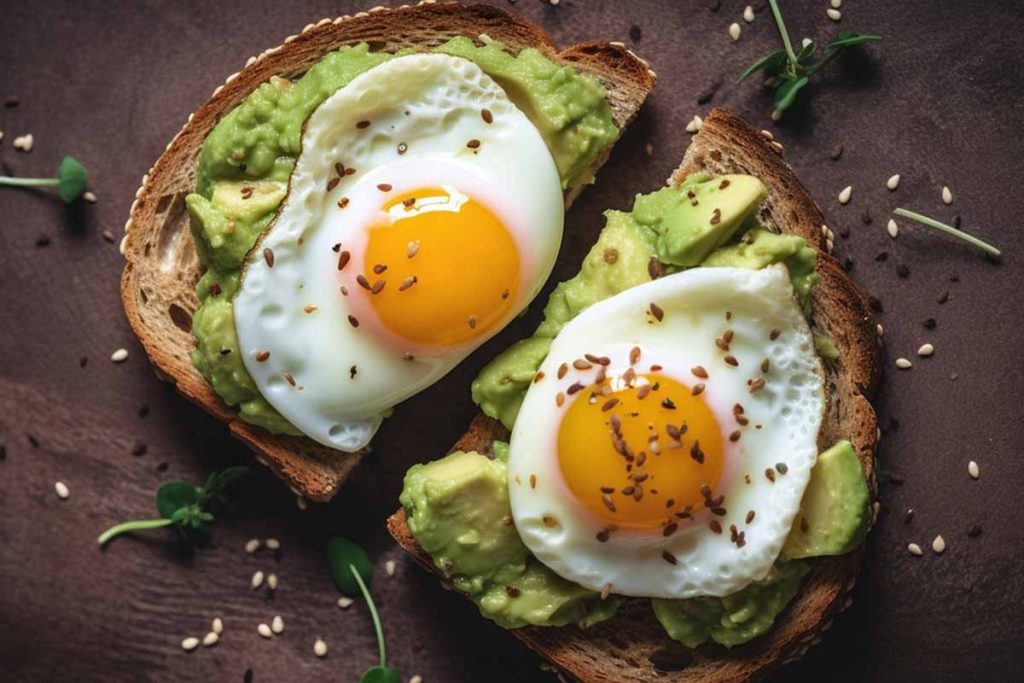
- Fresh Toast: The classic bread and egg combination never goes out of style. A piece of crispy toast serves as an excellent base for a runny yolk.
- Avocado: For a nutritious pairing, avocado complements the creamy yolk of duck eggs and adds a wholesome note of freshness.
- Sautéed Vegetables: Opt for greens like spinach or asparagus for added crunch and nutritional boost.
- Bacon: For a classic, hearty breakfast, bacon and eggs are a proven duo. Crisp bacon offers a delightful contrast to the creaminess of the duck egg.
- Mushrooms: Sautéed or grilled mushrooms bring out a warm, umami flavor that blends wonderfully with the rich taste of the eggs.
- Smoked Salmon: For a savory twist, smoked salmon adds a light yet profoundly delicious contrast to the eggs.’ complex taste.

Variations and substitutions for the Duck Eggs:
If you don’t have duck eggs to hand, don’t fret! Common substitutions can include chicken eggs, although due to their smaller size and lower fat content, you may want to use two chicken eggs for each duck egg in the recipe. Quail eggs can be a charming replacement, especially for appetizers; however, you’ll need about five to equate to one duck egg. For vegan alternatives, consider tofu for making a scramble or whipped aquafaba for baking. Remember to adjust your recipes depending on the size and consistency of your chosen substitution to ensure the same delicious result.
Health benefits of Duck Eggs:
The creamy texture of duck eggs is just one indulgence, as these eggs are not only a culinary delight but also a health booster. Their size accounts for higher nutrient portions, containing double the level of omega-3 fatty acids, which promote heart health. They are rich in protein, supporting muscle development and maintenance. Moreover, they are a significant source of lecithin and choline, which are crucial for brain development, especially in fetuses. Also, duck eggs are packed with several vitamins and minerals, such as vitamins A, E, K, folate, and phosphorus, promoting overall body health.
Storing Tips:
- Choose duck eggs with clean, uncracked shells for maximum freshness and safety.
- Store your duck eggs at 40F or lower to maintain optimal quality.
- Bear in mind that duck eggs stay fresh for longer due to their thick shells.
- Avoid any form of heat or direct sunlight when storing to prevent spoilage.
- USDA regulations apply to duck eggs, so ensure to follow safe storage practices.
- Always cook duck eggs thoroughly until yolk firms to prevent foodborne illnesses.
Conclusion:
In conclusory terms, we’ve explored the world of duck eggs, learned how to cook them to perfection, and understood their nutritional benefits. Delve into this unique culinary journey, whether boiled, scrambled, or baked, duck eggs promise a unique experience. Just remember, they are not only a delight to your palate but a boost for your health, loaded with protein, potassium, and sodium, and less in sugar. So, next time you consider investing in a post-workout meal or enhancing your cooking skills, give these eggs a try. Happy cooking!
FAQs:
A1: Yes, duck eggs provide more protein, vitamins, and minerals.
A2: Scrambled, poached, fried, or boiled are all great choices.
A3: Duck eggs have a richer, creamier, and more flavorful taste.
A4: Often, yes, but it’s important to consult with a doctor.
A5: Yes, duck eggs need a constant temperature of 101.5°F
A6: A single duck egg contains approximately 130 calories.
A7: Yes, it can generate income but requires initial investment.
- 0 Facebook
- 34 Pinterest
- 0 Email
- Copy Link
- 34 shares
How To Cook Duck Eggs?
Ingredients
Instructions
1. Crack eggs into bowl, season, and add garlic.
2. Whisk until smooth, ensuring no egg white streaks remain.
3. Coat skillet with oil or melt butter over medium heat.
4. Pour beaten eggs and wait without stirring for a few seconds.
5. Gently stir, creating large, soft scrambled egg curds.
6. Maintain medium-low heat; keep folding and stirring eggs.
7. Regularly scrape the pan to form curds and prevent dryness.
8. Take the pan off the heat when the eggs are mostly set.
9. Garnish with fresh chives for extra taste and presentation.
10. Over-easy eggs: melt butter in skillet over medium-low heat.
11. Crack eggs into pan and season with salt and pepper.
12. Cook for 2 minutes until the white is firm yolk is runny.
13. Use a spatula to flip eggs, cooking for 30 seconds.
14. Slide eggs out, yolk should be runny and whites cooked.
15. Soft-boiled eggs: Bring water to boil in a medium-sized pot.
16. Reduce heat to simmer; add eggs slowly using a spoon.
17. Continue heat and cook eggs for 6-7 minutes (soft-boiled).
18. Prepare an ice-water bath while the eggs are cooking.
19. Remove eggs after cooking, and immediately submerge them into the ice-water bath.
20. Peel eggs carefully, slice, season, and enjoy!