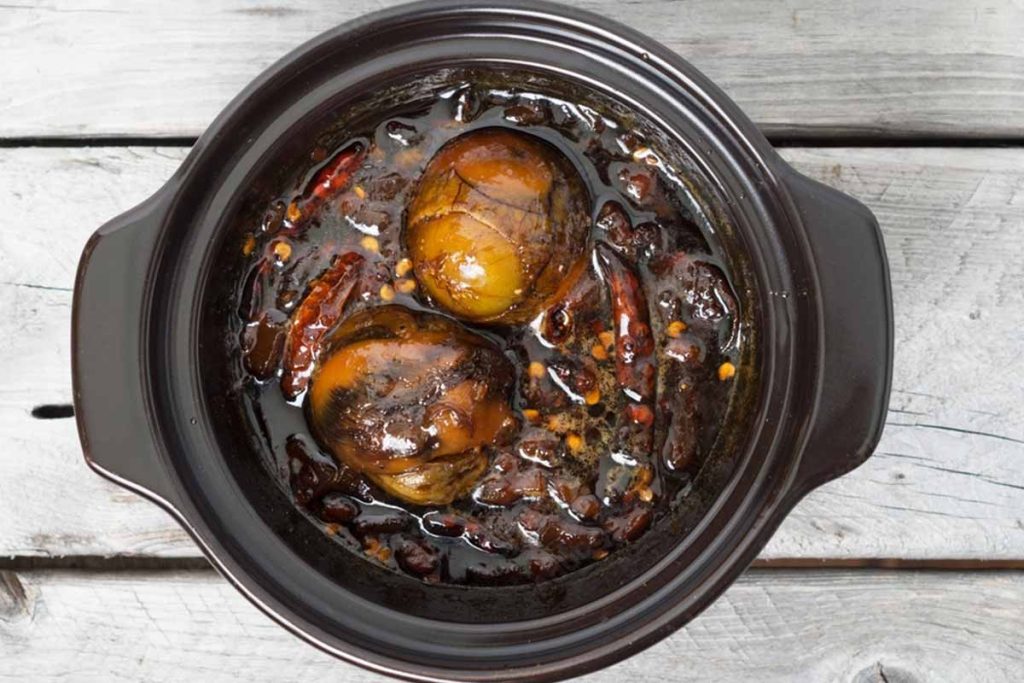
- 0 Facebook
- 22 Pinterest
- 0 Email
- Copy Link
- 22 shares
Have you ever wondered about how to cook balut ? This tantalizing delicacy of Southeast Asia, most notably the Philippines, has been enjoyed by many food enthusiasts around the world. Often associated with adventurous eating, it’s an intriguing combination of flavor and texture. You’re in luck because we’re about to share a comprehensive guide that takes the mystery out of preparing this unique dish. Whether you’re an ambitious foodie looking to broaden your culinary horizons or a homesick expat yearning for a taste of home, read on. After all, mastering this delicacy is easier than you might imagine!
What is Balut ?
Delving into the culinary world of the Philippines, Balut is one feature you wouldn’t miss. A distinctive, much-loved delicacy, it’s a fertilized duck egg embracing a partially developed embryo within its shell. Not for the squeamish at first, but this treat wins hearts over time, successfully transcending from humble street food to an appetizing start-off in upscale restaurants. Celebrated for its unique, robust flavors, Balut has etched itself as a cornerstone in Filipino cuisine.
Why You’ll Love This Balut :
You’ll love this Balut recipe for a multitude of reasons. First off, it’s an absolute dining adventure, promising an exotic, unexpected sensorial experience. It’s a delicacy that encapsulates the spirit and ingenuity of Filipino cuisine. Not only it packed with flavors unique to Southeast Asia, but it also extraordinarily combines texture and taste. Additionally, balut is lauded for its high nutritious content, making it a great protein source choice for adventurous eaters. Ironically, a local comfort food in the Philippines and a cuisine challenge around the world – and now you can bring this experience into your kitchen with our detailed, easy-to-follow guidelines.
Ingredients in Balut:
- Balut Eggs: fertilized duck eggs which contain the partially formed embryo, the key ingredient for Balut.
- Water: used for boiling the eggs, ensuring they’re cooked safely and evenly.
- Salt: This used to season the water for boiling, enhancing the natural flavors of the Balut eggs.
- Lime or Calamansi Juice: This is used to add tanginess to the cooked Balut, complementing its unique flavor.
- A Mixture of Chilli, Garlic, and Vinegar (optional): This is used in the Philippines to give the Balut an extra kick and depth of flavor.
- Pinch of Pepper and Ginger (optional): In Vietnam, these spices are added to provide a distinctive taste to the Balut.
- Rau Ram (optional): This Vietnamese coriander is often used to garnish the Balut, adding a fresh and aromatic element.
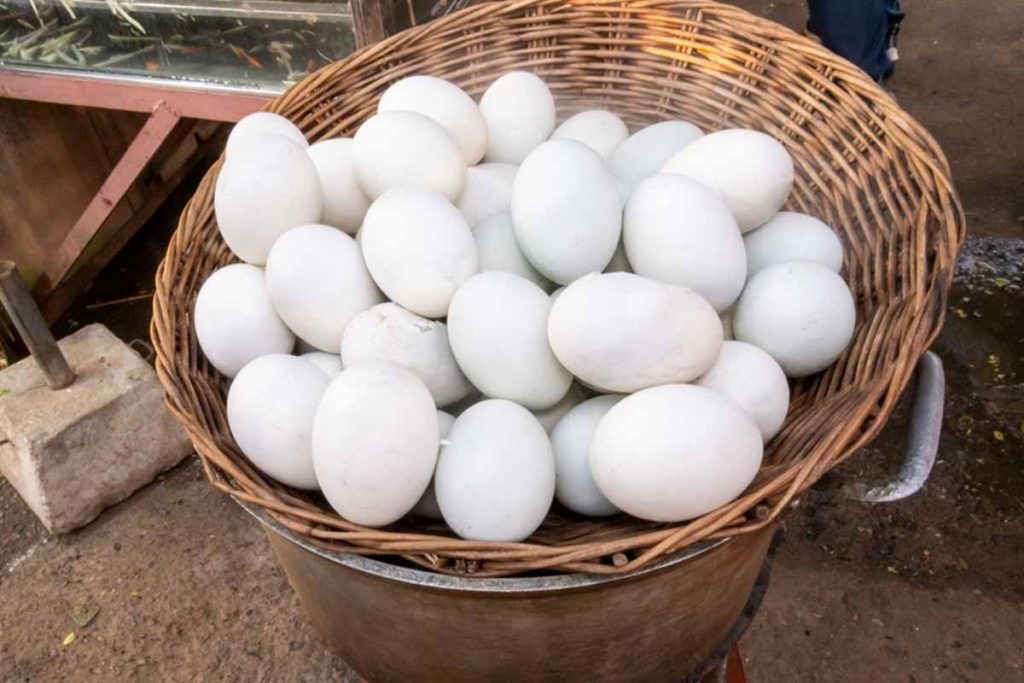
Step-by-Step Instructions on How To Cook Balut:
- Select Fresh Balut Eggs: To ensure a delightful experience, choose the freshest balut eggs.
- Boil the Eggs: Submerge the eggs in water, add some salt, and start boiling.
- Cook Thoroughly: Maintain a boiling temperature for about 20-30 minutes for optimal results.
- Cool Down Process: The eggs need to cool after boiling. Run them under tap water.
- Peeling: Once cooled down, start peeling the shell carefully to expose the meat.
- Seasoning: Season the balut with some salt and lime juice or calamansi juice.
- Devour: Now, the exciting part- Reconnoiter the delicate flavors of the duck embryo within.
Cooking Tips:
- Always maintain appropriate balut temperature: Balut should either be kept above 57C (135F) or below 5C (41F).
- Peel carefully: Peel the shell gently to avoid breaking the tender embryo inside.
- Boiling time: Consistently boil the balut for a minimum of 20 minutes for best results.
- Opt for fresh eggs: Using fresh duck eggs enhances the taste and nutritional value of balut.
- Flavor additions: Add a pinch of black and white pepper or lime juice for added flavor.
Cooking Techniques:
- Boiling: This involves submerging the balut in hot water until fully cooked.
- Seasoning: Enhances the flavor with salt, lime juice, and pepper.
- Hand Peeling: This requires delicately removing the shell to reveal the duck embryo.
- Cooling: Reduces the temperature of the boiled balut before consumption.
- Steeping in Sand: A traditional method where cooked baluts are kept warm in sand buckets.
- Hand Selection: Part of the pre-cooking process, choosing fresh balut eggs is crucial.
What To Serve with Balut:
Accompanying balut with other dishes can elevate the overall dining experience. Here are some excellent side dishes to serve with Balut:
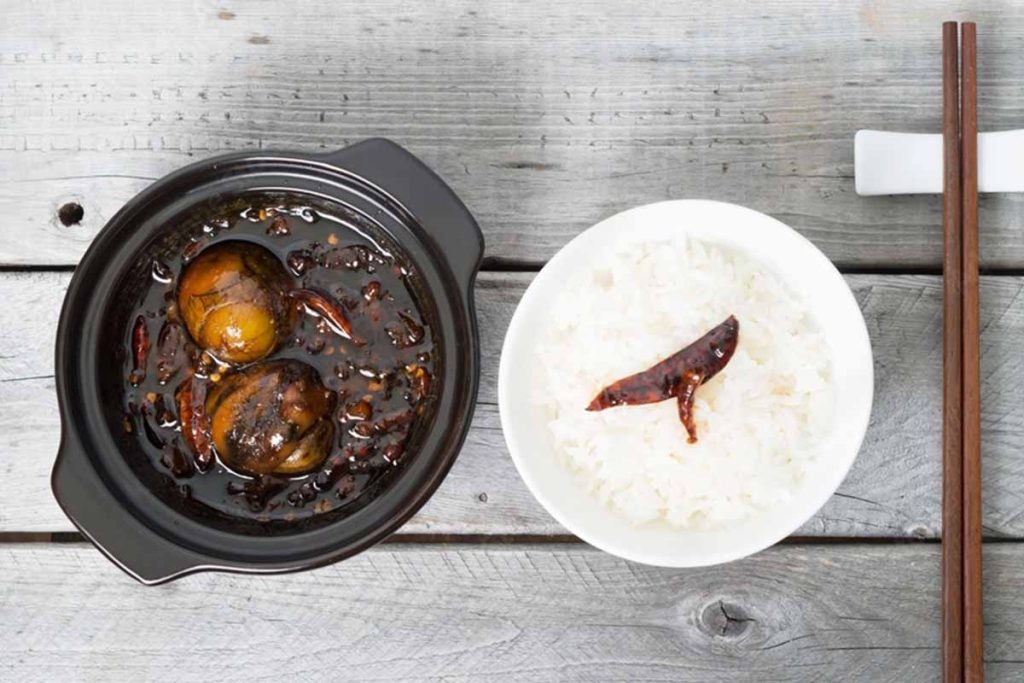
- Rice: A staple in Filipino cuisine, a side of plain or garlic rice is a great way to complement the rich flavors of balut.
- Fresh Vegetables: Crispy and fresh vegetables add a welcome crunch and brightness that neutralizes the strong flavor of balut. Consider options like cucumber pickles, tomatoes, or a simple salad.
- Noodles: Vietnamese-style noodles, such as pho or vermicelli, can act as a delicious accompaniment. Their mild flavors provide a nice contrast to the strong savory notes of the balut.
- Bread: Traditional Filipino Pandesal or Vietnamese Baguette can be used to soak up the flavorful broth of the balut, offering a satisfying contrast of textures.
- Grilled Meats: For a hearty meal, serve balut alongside grilled chicken or pork skewers. Filipino barbecue and Vietnamese grilled pork are both excellent choices.
Variations and substitutions for the Balut :
Balut, a treasured delicacy in Southeast Asia, shines in its vibrant variations and adaptations. Intriguing culinary practices across Cambodia, Vietnam, and the Philippines offer a handful of variations you might want to try. Remember, the goal is to savor the unique taste of the egg, so feel free to experiment, keeping the core ingredient intact.
While the Filipino balut incubates for 14 to 18 days, its Cambodian counterpart is left for 18 to 20 days, leading to a more pronounced embryo and a different flavor profile. The Vietnamese version, on the other hand, incubates for 19 to 21 days, lending to a firmer texture and richer taste.
Next, let’s touch on the garnishing and preparations. In the Philippines, it’s not unusual to find balut cooked adobo style, fried in omelets, or used as fillings in baked pastries. Vietnamese balut is commonly savored with a pinch of pepper salt, lime kumquat, or ginger and rau ram. Meanwhile, Cambodians and Chinese enjoy their balut in various ways, with an array of different garnishes adorning the dish.
Health benefits of Balut:
Loaded with proteins, balut can provide a powerful energy boost. Additionally, it possesses beneficial vitamins and minerals such as Vitamin B, iron, and calcium, promoting better bone health and preventing anaemia. The presence of cholesterol, while often stigmatized, may aid in hormone production. Notably, it’s rich in Selenium, a potent antioxidant that combats ageing and boosts immune functioning. Balut also harbours Omega-3 and Omega-6 fatty acids, which are critical for the heart, health, eyes brain. Rumored to be an aphrodisiac, balut may bolster reproductive health. The egg also contains Choline for healthy brain development, earning a reputation as a ‘pregnancy superfood’.
Storing Tips:
- Store uncooked Balut at below 5C (41F) to keep it fresh and safe.
- Prevent bacteria growth by keeping cooked Balut above 57C (135F).
- Ensure Balut is refrigerated immediately if not consumed in one sitting.
- Kept in its shell, Balut can stay fresh for up to one week.
- Use airtight containers for storing peeled Balut to maintain its quality.
- Never store Balut near strong odor foods to prevent flavor alteration.
Conclusion:
In conclusion, cooking and enjoying Balut provides a unique culinary experience intertwined with the rich culture of the Philippines. It’s a dish that reflects the nation’s resourcefulness and creativity in cooking. Balut is not just a snack; it’s a national treasure packed with protein. With the right preparation, condiment sauce and a sprinkle of vinegar, its flavors unfold in just two big bites. Always remember to cook carefully to avoid microbial infection and maintain its authentic taste. Lastly, empathize with the bird embryos, ensuring they’re in the right stage of incubation for ethical consumption. Happy cooking!
FAQs:
Balut is a fertilized duck embryo that is boiled and eaten.
Balut can typically be found in Asian supermarkets.
Yes, balut is safe to eat when cooked properly.
Balut has a rich, savory flavor similar to chicken.
Yes, balut is a good source of protein.
Balut is typically peeled and eaten with vinegar.
Yes, recipes can vary, such as fried balut.
- 0 Facebook
- 22 Pinterest
- 0 Email
- Copy Link
- 22 shares
How To Cook Balut?
Ingredients
Instructions
Dredge peeled balut in flour on a shallow plate.
Heat oil over medium heat in a wide pan.
Add balut and cook until lightly browned, turning occasionally.
Remove from heat, drain balut on paper towels.
Keep only 1 tablespoon of oil in the pan.
Add shallots, garlic, ginger, and peppers, and stir until aromatic.
In a bowl, blend soy sauce, oyster sauce, and water.
Add the combined sauces to the pan and boil it.
Re-add balut, coat in sauce, and cook until thickened.
Add a dash of pepper according to personal preference.
Remove the balut from the pan and arrange on sizzling plates.
Garnish with green onions and serve while hot.