- 0 Facebook
- 10 Pinterest
- 21 Email
- Copy Link
- 31 shares
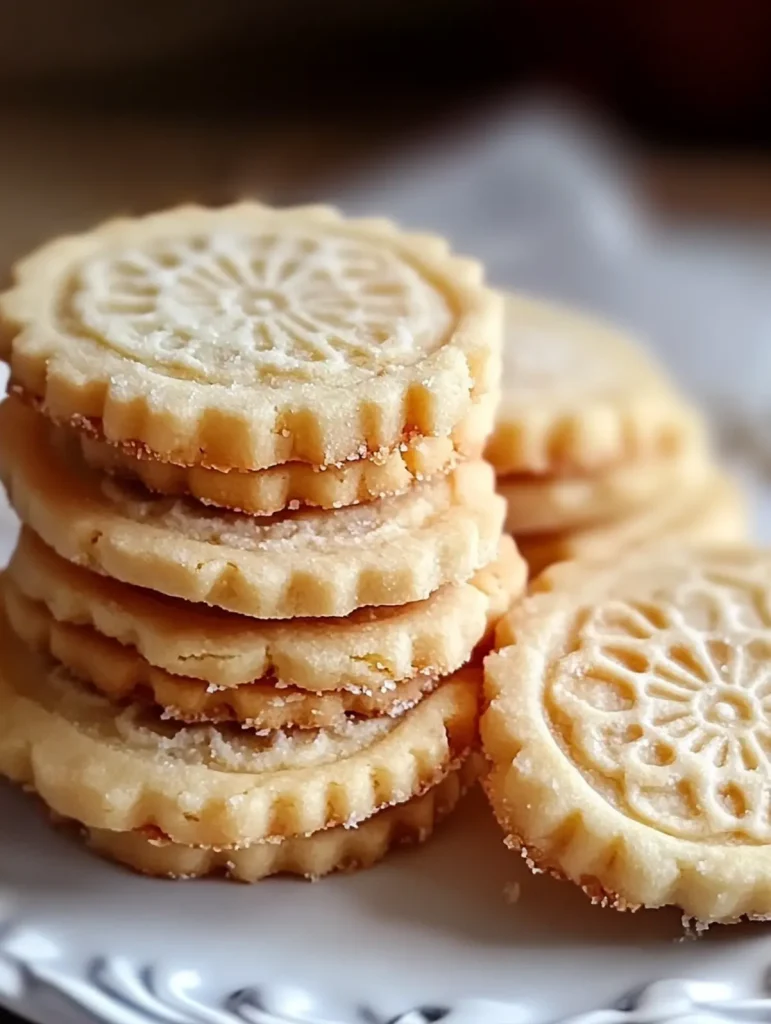
These buttery French sablés embody cookie perfection with their melt-in-your-mouth texture and delicate crumb that practically dissolves on the tongue. Rich European butter creates that distinctive sandy quality—hence the name “sablé”—while just the right balance of sweetness lets the pure vanilla notes shine through. Each golden-edged cookie offers an irresistible combination of simplicity and sophistication that transforms an ordinary coffee break into something special. Pair these elegant treats with a steaming cup of Earl Grey tea for a moment of pure indulgence.
Why You’ll Love This Recipe
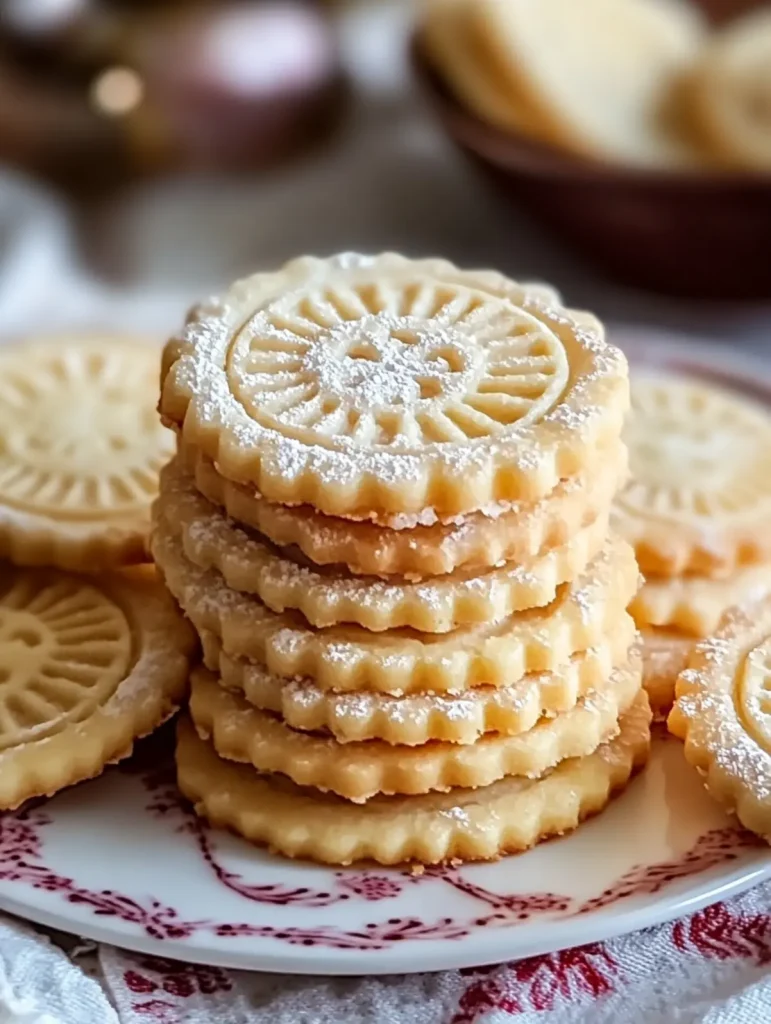
These classic French sablés have been perfected through countless testings to deliver that authentic buttery magic that made them famous in French patisseries around the world.
- Melt-Away Texture : The perfect sandy crumb literally dissolves on your tongue, creating that coveted moment of pure butter-cookie bliss that’s impossible to achieve with ordinary cookies.
- Foolproof Technique : The simple refrigeration step prevents spreading, ensuring your cookies maintain their beautiful shape every single time without frustrating guesswork.
- Pantry-Friendly Luxury : These elegant cookies require only six basic ingredients you likely already have, transforming everyday staples into something truly sophisticated.
- Make-Ahead Wonder : The dough freezes beautifully for up to three months, allowing you to bake fresh cookies whenever unexpected guests arrive or cravings strike.
- Versatile Canvas : The delicate flavor profile welcomes countless variations—add lemon zest, dip in chocolate, or press in crushed lavender for an impressive twist on the classic recipe.
Ingredient Notes
The secret to perfect French Butter Cookies lies as much in the quality of ingredients as in the technique. Each component plays a crucial role in achieving that characteristic sandy, melt-in-your-mouth texture that makes sablés so irresistible.
- Butter : European-style butter with higher butterfat content (82-84%) creates exceptionally tender, flavorful cookies. Allow it to soften naturally at room temperature for about 30 minutes for optimal creaming.
- Powdered sugar : Provides the signature delicate sweetness and contributes to the cookies’ fine texture. Always sift to remove lumps for the smoothest dough and most even distribution throughout.
- All-purpose flour : Forms the structure of these delicate cookies. For best results, measure by weight rather than volume, or use the spoon-and-level method to avoid dense, tough sablés.
- Salt : Enhances all flavors and balances the sweetness. Fine sea salt dissolves more evenly throughout the dough than table salt, though either works well.
- Vanilla extract : Provides the quintessential warm flavor that defines classic French sablés. Pure vanilla extract delivers noticeably superior flavor compared to artificial varieties.
- Almond extract : Though optional, this adds a subtle complexity that elevates these cookies beyond ordinary butter cookies. Use sparingly—just a quarter teaspoon provides elegant depth without overwhelming.
- Egg yolk : Acts as the binding agent that brings the dough together while adding richness. Room temperature yolks incorporate more smoothly than cold ones for a more uniform dough.
How to Make Buttery French Sablés: The Ultimate Melt-in-Your-Mouth Cookie
- Cream the butter and powdered sugar in a large bowl using an electric mixer for 2-3 minutes until light and fluffy. The mixture should turn pale and increase slightly in volume.
- Add the egg yolk, vanilla extract, and almond extract (if using) to the butter mixture. Beat until fully incorporated and smooth—I find scraping down the sides of the bowl halfway through ensures everything blends perfectly.
- Whisk together the flour and salt in a separate bowl, then gradually add to the butter mixture. Mix on low speed just until the flour disappears and a soft dough forms. Overmixing will develop too much gluten, making your cookies tough rather than tender.
- Shape the dough into 1-inch balls and place on a parchment-lined baking sheet, leaving about 2 inches between each cookie. Gently flatten each ball with the bottom of a glass or measuring cup to about ¼-inch thickness.
- Chill the shaped cookies in the refrigerator for 15-20 minutes. This crucial step prevents spreading and helps maintain their perfect shape during baking.
- Preheat your oven to 325°F (165°C) while the cookies chill. Position a rack in the center of the oven for even baking.
- Bake the chilled cookies for 12-15 minutes until the edges are just barely turning golden but the tops remain pale. They might look slightly underdone in the center, but they’ll continue to set as they cool.
- Cool the cookies on the baking sheet for 5 minutes before transferring to a wire rack to cool completely. The texture improves as they cool—when fully set, they should have that characteristic sandy, melt-in-your-mouth quality that makes sablés so special.
Storage & Freezing
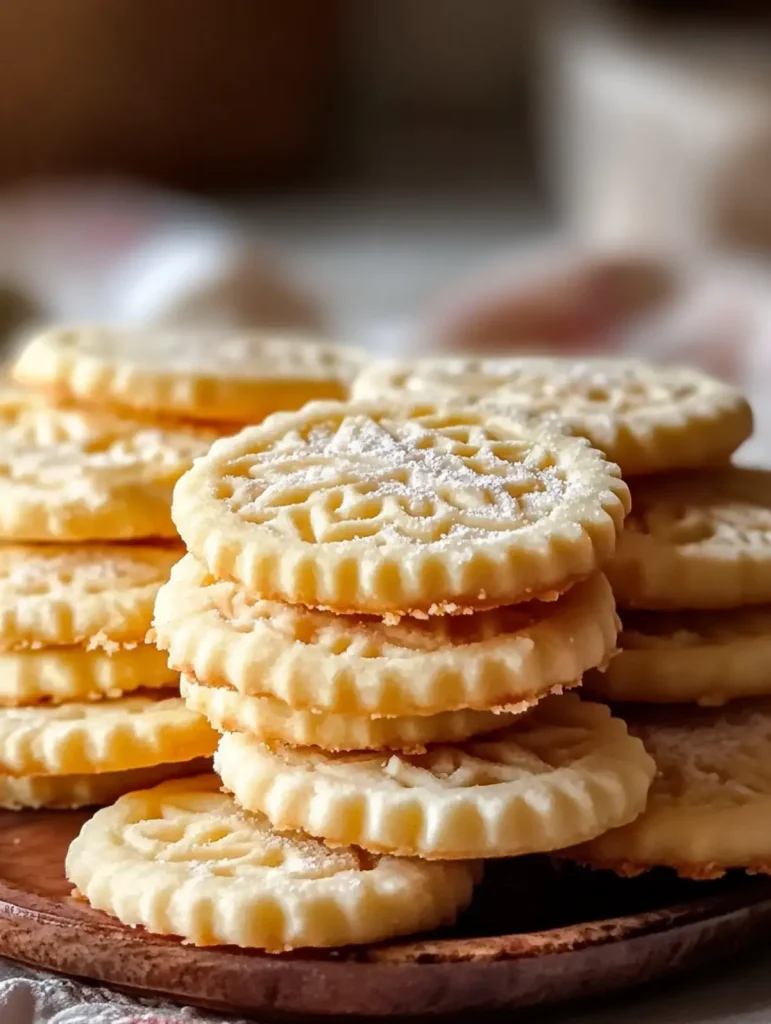
These buttery French sablés store beautifully, allowing you to enjoy their delicate texture for days after baking. Store cooled cookies in an airtight container at room temperature for up to one week. For the freshest taste and texture, I like to place a small piece of parchment paper between layers to prevent any moisture transfer.
For longer storage, these cookies freeze exceptionally well. Place completely cooled sablés in a freezer-safe container with parchment between layers to prevent sticking, and freeze for up to 3 months. The high butter content helps them maintain their delicate texture even after freezing. Allow frozen cookies to thaw at room temperature for about 30 minutes before serving.
The unbaked dough is perfect for make-ahead preparation. You can refrigerate the shaped dough discs for up to 3 days before baking, or freeze them on a baking sheet until solid, then transfer to a freezer bag for up to 2 months. When ready to bake from frozen, simply add 2-3 extra minutes to the baking time—no need to thaw first!
Make Ahead Options
These French Butter Cookies are absolutely perfect for busy bakers who want homemade elegance without last-minute stress! You can prepare the entire dough up to 3 days in advance and store it covered in the refrigerator , or shape the cookies and freeze them on baking sheets for up to 3 months (transfer to freezer bags once solid). The chilled dough actually improves in flavor as the vanilla develops, making your cookies even more delicious. When ready to bake, simply add an extra 1-2 minutes to the baking time if working from frozen, and you’ll have fresh, warm sablés that taste like you spent hours in the kitchen rather than minutes.
Serving Suggestions
These delicate French Butter Cookies deserve to be showcased in ways that highlight their buttery elegance and sandy texture. A few thoughtful pairings can transform these simple treats into a sophisticated experience.
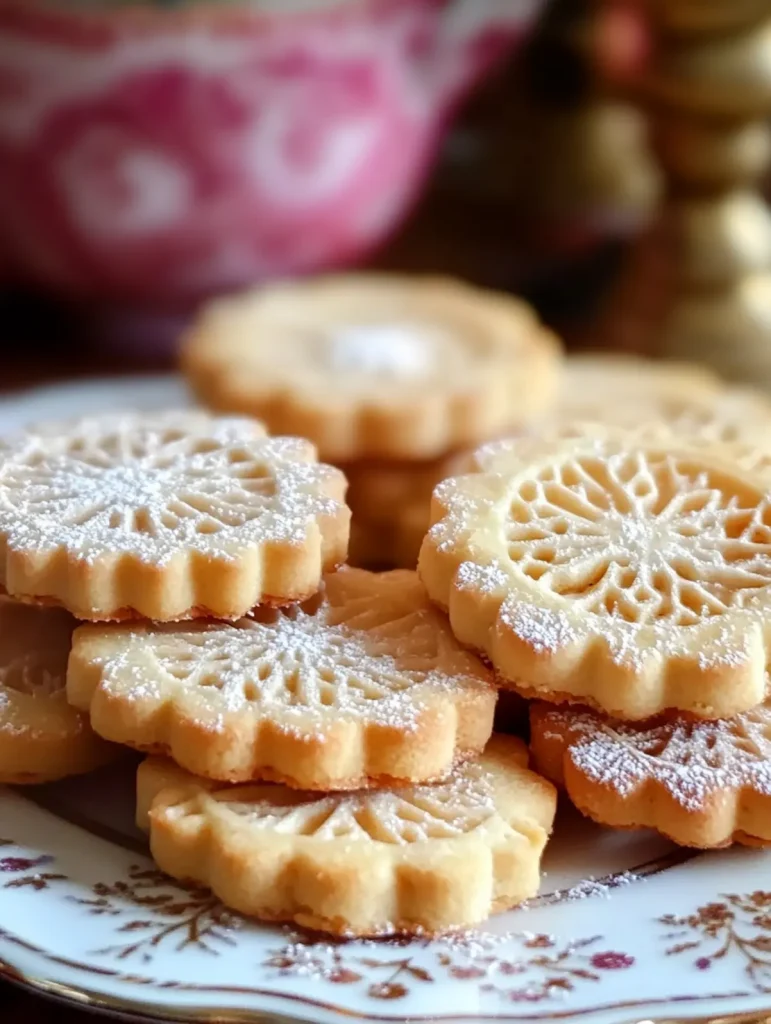
I love serving these sablés arranged on a vintage cake stand for afternoon tea, where their delicate vanilla and almond notes complement Earl Grey or chamomile perfectly. For an elevated dessert experience, try sandwiching two cookies with a thin layer of high-quality raspberry preserves or lemon curd—the slight tartness beautifully balances their buttery richness.
For entertaining, create a French-inspired dessert board by pairing these cookies with fresh berries, a small pot of chocolate ganache for dipping, and a selection of soft cheeses like Brie or Camembert. The contrast between the creamy cheeses and the sandy, melt-in-your-mouth texture of the cookies creates a memorable tasting experience.
These French Butter Cookies also make charming gifts—stack them in clear cellophane bags tied with ribbon, or arrange them in a pretty tin lined with parchment paper. Include a handwritten note suggesting they be enjoyed alongside coffee or tea for the authentic French experience.
Variations & Substitutions
These classic French butter cookies welcome many delicious twists while still honoring their delicate nature. Feel free to experiment with these ideas based on what you have on hand or your flavor preferences!
- Flour alternatives: For gluten-free sablés, substitute a high-quality cup-for-cup gluten-free flour blend. The cookies will be slightly more delicate, so handle with extra care when transferring them from the baking sheet.
- Flavor infusions: I often add 1-2 teaspoons of citrus zest (lemon, orange, or lime) to the butter mixture for a bright, aromatic twist that complements the buttery richness beautifully.
- Textural additions: Fold in 2-3 tablespoons of finely chopped nuts (pistachios, almonds, or hazelnuts) or mini chocolate chips after mixing in the flour for delightful pockets of flavor and subtle crunch.
- Finishing touches: Before baking, sprinkle cookies with turbinado sugar for sparkle and crunch, or after cooling, dip half of each cookie in melted dark chocolate for an elegant presentation.
- Herbal notes: Replace the almond extract with ¼ teaspoon of culinary lavender (crushed finely), 1 teaspoon of fresh rosemary (minced), or ½ teaspoon of Earl Grey tea leaves for sophisticated, aromatic cookies perfect for afternoon tea.
- Vegan adaptation: Though challenging to match the exact texture, you can substitute plant-based butter (not margarine) and replace the egg yolk with 1 tablespoon of aquafaba (chickpea liquid) for a dairy-free version that still offers a lovely sandy crumb.
Tips for the Best Buttery French Sablés
Master these delicate French butter cookies with a few key techniques that make all the difference:
- Butter temperature matters : Your butter must be softened but still cool to the touch—if it’s too warm, the cookies will spread excessively and lose their perfect texture.
- Don’t rush the creaming : I’ve found that a full 2-3 minutes of creaming butter and powdered sugar creates that signature airy texture that makes authentic sablés so special.
- Chill with purpose : After shaping your cookies, the 15-minute refrigeration isn’t optional—it prevents spreading and helps develop that characteristic sandy crumb that defines French butter cookies.
- Watch for subtle doneness cues : Perfect sablés should barely color around the edges while staying pale on top—they’ll seem underbaked but will firm up beautifully as they cool.
- The cooling method : Allowing cookies to set for 5 minutes on the hot baking sheet before transferring to a rack helps them develop that melt-in-your-mouth quality without crumbling apart.
Recipe FAQs
Can I use salted butter instead of unsalted? Yes, just omit the additional salt.
Is chilling the cookies really necessary? Absolutely—prevents spreading and improves texture.
Can I freeze the cookie dough? Yes, freeze shaped dough for up to 2 months.
Why did my cookies spread too much? Butter was likely too warm or insufficient chilling.
Can I skip the almond extract? Yes, the vanilla alone provides wonderful flavor.
How do I know when they’re done baking? Barely golden edges with pale tops—they’ll set while cooling.
- 0 Facebook
- 10 Pinterest
- 21 Email
- Copy Link
- 31 shares
Buttery French Sablés: The Ultimate Melt-in-Your-Mouth Cookie
Ingredients
Instructions
Cream the butter and powdered sugar in a large bowl using an electric mixer for 2-3 minutes until light and fluffy. The mixture should turn pale and increase slightly in volume.
Add the egg yolk, vanilla extract, and almond extract (if using) to the butter mixture. Beat until fully incorporated and smooth—I find scraping down the sides of the bowl halfway through ensures everything blends perfectly.
Whisk together the flour and salt in a separate bowl, then gradually add to the butter mixture. Mix on low speed just until the flour disappears and a soft dough forms. Overmixing will develop too much gluten, making your cookies tough rather than tender.
Shape the dough into 1-inch balls and place on a parchment-lined baking sheet, leaving about 2 inches between each cookie. Gently flatten each ball with the bottom of a glass or measuring cup to about ¼-inch thickness.
Chill the shaped cookies in the refrigerator for 15-20 minutes. This crucial step prevents spreading and helps maintain their perfect shape during baking.
Preheat your oven to 325°F (165°C) while the cookies chill. Position a rack in the center of the oven for even baking.
Bake the chilled cookies for 12-15 minutes until the edges are just barely turning golden but the tops remain pale. They might look slightly underdone in the center, but they’ll continue to set as they cool.
Cool the cookies on the baking sheet for 5 minutes before transferring to a wire rack to cool completely. The texture improves as they cool—when fully set, they should have that characteristic sandy, melt-in-your-mouth quality that makes sablés so special.
Notes
Butter temperature matters : Your butter must be softened but still cool to the touch—if it’s too warm, the cookies will spread excessively and lose their perfect texture.
Don’t rush the creaming : I’ve found that a full 2-3 minutes of creaming butter and powdered sugar creates that signature airy texture that makes authentic sablés so special.
Chill with purpose : After shaping your cookies, the 15-minute refrigeration isn’t optional—it prevents spreading and helps develop that characteristic sandy crumb that defines French butter cookies.
Watch for subtle doneness cues : Perfect sablés should barely color around the edges while staying pale on top—they’ll seem underbaked but will firm up beautifully as they cool.
The cooling method : Allowing cookies to set for 5 minutes on the hot baking sheet before transferring to a rack helps them develop that melt-in-your-mouth quality without crumbling apart.
Nutrition
| Serving Size | 1 cookie |
|---|---|
| Calories | 100 calories |
| Sugar Content | 5g |
| Sodium Content | 30mg |
| Fat Content | 6g |
| Saturated Fat Content | 4g |
| Unsaturated Fat Content | 1g |
| Trans Fat Content | 0g |
| Carbohydrate Content | 10g |
| Fiber Content | 0g |
| Protein Content | 1g |
| Cholesterol Content | 20mg |