- 0 Facebook
- 40 Pinterest
- 2 Email
- Copy Link
- 42 shares
On a particularly chilly autumn evening last year, I found myself craving the comforting embrace of a classic chicken pot pie but lacked both the time and patience for pie crust. Standing in my kitchen, staring at my pantry with determination, I spotted a forgotten box of orzo pasta and had what I can only describe as a culinary epiphany. What if I could capture all those creamy, savory pot pie flavors but transform them into a one-pot pasta dish?
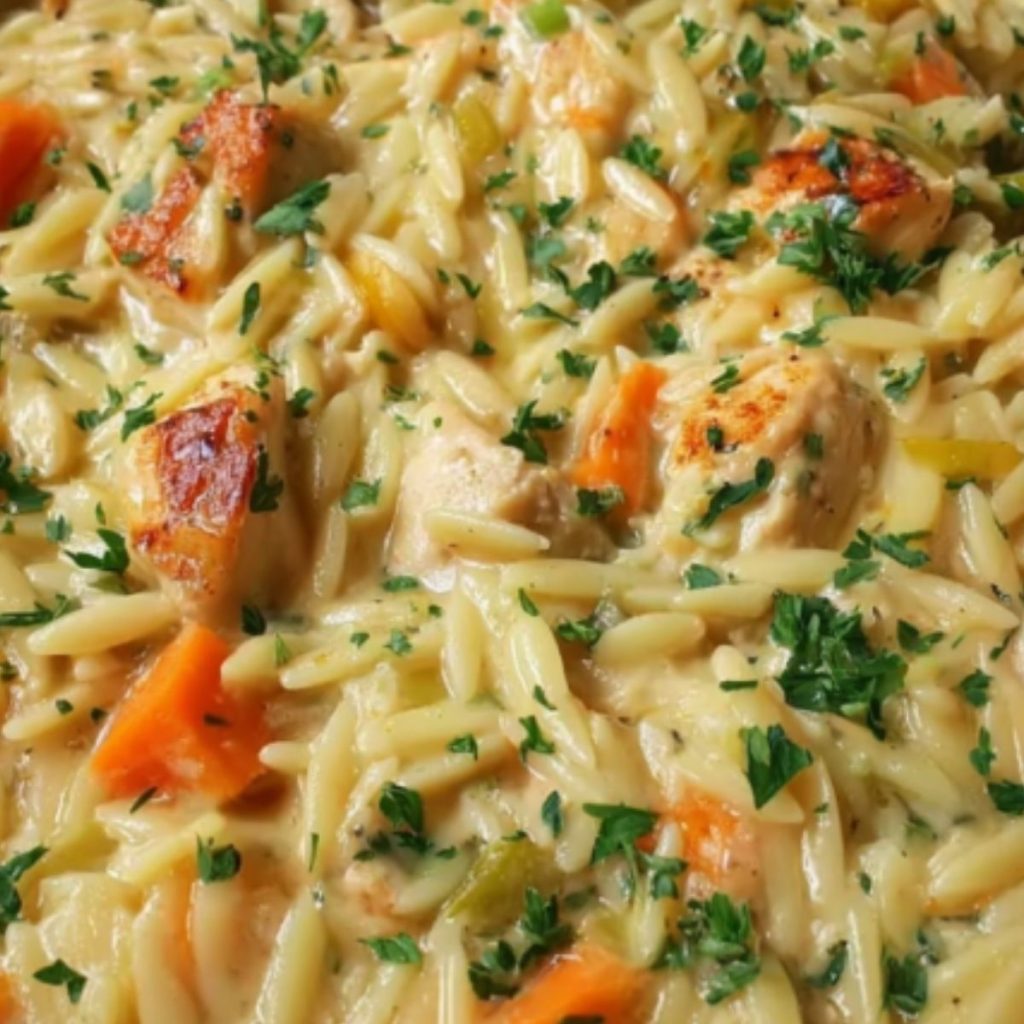
That experimental dinner turned into what has now become one of my family’s most requested meals. The first time I served this Creamy Chicken Pot Pie Orzo, my partner took one bite, raised an eyebrow, and said, “This tastes exactly like pot pie, but I don’t have to wait an hour for it!” The tiny rice-shaped pasta absorbs the rich, velvety sauce perfectly, while each bite delivers that nostalgic pot pie flavor without the fuss of a crust.
What Makes Creamy Chicken Pot Pie Orzo Special
- I’ve discovered that the magic of this dish lies in its perfect balance of starch and fat—the orzo’s unique ability to release just enough starch creates a naturally creamy base that’s enhanced by the butter-flour roux, resulting in a silky texture that coats each bite beautifully.
- I intentionally build flavor in layers: starting with the classic mirepoix (onion, carrot, celery) that releases sweet, aromatic compounds when sautéed in butter, then amplifying the umami with three forms of savory enhancement (bouillon, garlic powder, and onion powder).
- I’ve found that orzo’s rice-like shape creates a more satisfying texture than traditional pie crust—each pasta grain absorbs the sauce while maintaining its tender bite, preventing sogginess often found in traditional pot pies.
- I love how this dish showcases culinary science at work—the combination of heavy cream (fat) and flour (starch) creates an emulsion that stays stable even when reheated, making this perfect for meal prep without separation or quality loss.
- I designed this recipe to be remarkably versatile—it’s elegant enough for company yet simple enough for weeknights, and it works equally well as a cozy winter main or a hearty side dish alongside a simple protein.
Ingredients Notes
- Boneless, skinless chicken breasts: I prefer poaching my chicken with aromatics for maximum tenderness. For a time-saving hack, I sometimes use rotisserie chicken—the slight smokiness adds wonderful depth to the final dish.
- Orzo pasta: I’ve found that toasting the dry orzo in a bit of butter before adding liquid creates a nuttier flavor and helps it maintain its shape better when cooked in the sauce.
- Celery stalks: I always include the pale yellow inner leaves when dicing celery—they contain concentrated flavor compounds that add a subtle herbaceous note you can’t get from the stalks alone.
- Carrots: I look for carrots with their greens still attached as they’re typically fresher. For this dish, I dice them small enough to cook quickly but large enough to maintain their sweet earthiness.
- Yellow onion: I’ve learned that a quick 10-minute soak in cold water before dicing removes the harsh bite while preserving the essential sweetness that forms the backbone of this comfort dish.
- Butter: I splurge on European-style butter with higher butterfat content for this recipe—it creates a silkier roux and carries flavor compounds more effectively throughout the sauce.
- Olive oil: I combine olive oil with butter to prevent burning while adding a subtle fruity note. Select a mid-range extra virgin—premium oils lose their nuanced flavors when heated.
- All-purpose flour: I always toast my flour slightly in the fat before adding liquid, eliminating that raw flour taste while developing a slightly nutty foundation for the sauce.
- Chicken broth: I keep homemade broth frozen in ice cube trays for recipes like this—the gelatin content creates a silkier mouthfeel than store-bought versions, though quality low-sodium options work well too.
- Heavy whipping cream: I temper my cream by whisking in a spoonful of the hot mixture before adding it to the pot, preventing curdling while ensuring that luxurious, velvety texture throughout.
- Chicken bouillon powder: I use this as my secret weapon for intensifying savory notes without oversalting. Look for brands without MSG if sensitive—I prefer roasted chicken varieties for their deeper flavor.
- Onion powder: I find that onion powder provides a consistent sweet-savory undertone that fresh onions alone can’t deliver. Always check freshness by smelling—it should be potently aromatic.
- Garlic powder: I use this alongside fresh garlic when I want that mellow, all-encompassing garlic presence. The powder infuses the sauce completely while fresh adds bright punches.
- Paprika: I reach for Hungarian sweet paprika in this recipe—it offers a subtle sweetness and gorgeous color without the smokiness that would compete with the delicate cream sauce.
- Salt and black pepper: I season in stages rather than all at once, using kosher salt for cooking and finishing with flaky sea salt. Freshly ground pepper makes a noticeable difference in brightness.
How to Make Creamy Chicken Pot Pie Orzo
Preparation
- Prep your mise en place. Before starting, ensure all vegetables are diced to approximately the same size (about ¼-inch pieces) for even cooking. Your diced chicken should be in bite-sized chunks, roughly ½-inch cubes. Having everything prepared before heating your pan will ensure smooth execution.
Creating the Base
- Heat your cooking vessel. In a large, heavy-bottomed Dutch oven or deep skillet , melt 3 tablespoons of butter with the olive oil over medium heat until the butter stops foaming but before it browns.
- Develop your aromatics. Add the diced onion, celery, and carrots to the fat, stirring to coat evenly. Cook for 6-8 minutes until the vegetables soften and the onions become translucent with a slight golden edge. You’ll notice a sweet, aromatic fragrance developing—this is the foundation of your dish’s flavor.
- Toast the orzo. Push the vegetables to the sides of the pan and add the remaining 2 tablespoons of butter to the center. Once melted, add the dry orzo pasta and stir constantly for 2-3 minutes until it develops a light golden hue and nutty aroma. This step creates depth of flavor and helps the pasta maintain its structure.
Building the Sauce
- Create your roux. Sprinkle the flour over the orzo and vegetable mixture, stirring constantly for 1-2 minutes to cook out the raw flour taste. The mixture will look dry and slightly paste-like—this is correct.
- Develop your sauce base. Gradually add the chicken broth about ½ cup at a time, whisking continuously to prevent lumps. The mixture will initially seize and thicken dramatically before loosening as you add more liquid. Continue until all broth is incorporated and the sauce is smooth.
- Season the base. Whisk in the 1 teaspoon chicken bouillon powder, 1 teaspoon onion powder, 1 teaspoon garlic powder, and 1 teaspoon paprika. Bring the mixture to a gentle simmer and allow it to cook for 2-3 minutes, stirring occasionally as it begins to thicken slightly.
Bringing It Together
- Cook the orzo. Reduce heat to medium-low and let the orzo simmer in the sauce, stirring frequently to prevent sticking. The pasta will gradually absorb liquid and release starch, further thickening the sauce. This should take approximately 8-10 minutes until the orzo is al dente—tender but with a slight resistance when bitten.
- Enrich with cream. Take about 2 tablespoons of the hot mixture and whisk it into the heavy cream in a separate bowl to temper it (this prevents curdling). Then slowly pour the tempered cream into the pot, stirring constantly to incorporate. The sauce will immediately take on a silky, velvety appearance.
- Incorporate the chicken. Gently fold in the diced cooked chicken, allowing it to warm through in the sauce for 2-3 minutes. The mixture should now have a thick, creamy consistency that coats the back of a spoon but still flows slowly when tilted.
- Final adjustments. Season with salt and freshly ground black pepper to taste. The consistency should be creamy and luscious—if it seems too thick, add a splash of broth; if too thin, allow it to simmer uncovered for a few more minutes.
- Rest and serve. Remove from heat and let stand for 2-3 minutes. This brief rest allows the sauce to set to the perfect consistency and for flavors to fully meld. The finished dish should have a slight sheen with visible herbs and spices throughout the creamy sauce.
Serve in warmed bowls, perhaps with a light sprinkle of fresh herbs for color contrast and brightness.
Expert Tips for Perfect Creamy Chicken Pot Pie Orzo
- I poach my chicken in simmering (not boiling) broth with aromatics for 15 minutes, then let it rest in the liquid before dicing. This gentle cooking prevents tough, stringy texture while infusing maximum flavor.
- When creating your roux, use a flat-bottomed wooden spoon and maintain constant motion, scraping the pan bottom completely. Watch for the moment it smells nutty—that’s when it’s perfectly cooked.
- Never rush the orzo absorption phase. I keep a cup of hot broth nearby to adjust consistency as needed. The pasta should maintain slight resistance when the sauce reaches perfect creaminess.
- For meal prep, undercook the orzo slightly and use extra broth. Store refrigerated up to 3 days, then reheat gently with a splash of cream while stirring constantly to revive the silky texture.
- Toast a handful of panko breadcrumbs in butter until golden, then sprinkle over individual servings just before eating. This adds delightful textural contrast against the creamy base—reminiscent of traditional pot pie crust.
Storage Tips for Creamy Chicken Pot Pie Orzo
- Cool properly before storing. Allow the dish to cool completely at room temperature for no more than 2 hours before refrigerating. This prevents condensation that would make the orzo soggy.
- Refrigerate in shallow containers. Store in airtight glass containers no deeper than 2 inches for quick cooling. Refrigerated orzo keeps best for 3-4 days while maintaining texture and flavor.
- Prevent pasta absorption. The orzo continues absorbing liquid even when stored. Make the original dish slightly saucier than desired if planning for leftovers to counteract this natural thickening.
- Freeze in individual portions. For freezing, slightly undercook the orzo and portion into freezer-safe containers. Leave ¼-inch headspace for expansion. Label with date and consume within 2 months.
- Thaw safely in refrigerator . Never thaw creamy dishes at room temperature. Transfer from freezer to refrigerator 24 hours before needed to prevent bacterial growth and maintain food safety.
- Revive texture when reheating. Gently reheat in a saucepan over medium-low heat with 1-2 tablespoons of fresh cream or broth per cup of orzo, stirring frequently to prevent scorching.
- Microwave rescue method. Cover with a damp paper towel and microwave at 50% power in 30-second intervals, stirring between each. Add a splash of cream halfway through to restore creaminess.
- Prevent freezer burn. Double-wrap frozen portions by placing containers in freezer bags with air removed. This extra barrier protects against moisture loss and preserves flavor.
Variations and Substitutions
Dietary Adaptations
• Gluten-Free Version: Replace orzo with gluten-free rice-shaped pasta or arborio rice. Substitute all-purpose flour with a 1:1 gluten-free flour blend or 2 tablespoons cornstarch mixed with 1 tablespoon water for the roux.
• Dairy-Free Option: Replace butter with olive oil or plant-based butter. Substitute heavy cream with full-fat coconut milk or cashew cream (1 cup soaked cashews blended with ½ cup water until silky).
• Vegetarian Transformation: Swap chicken for 2 cups roasted mushrooms (cremini and shiitake blend) and add ½ cup frozen peas. Use vegetable broth and vegetarian bouillon for a deeply savory base.
• Lower-Calorie Version: Use 2% evaporated milk instead of heavy cream, reduce butter to 3 tablespoons total, and incorporate more vegetables to maintain volume while decreasing caloric density.
Flavor Variations
• Herb Garden Infusion: Add 1 tablespoon fresh thyme and 2 teaspoons fresh rosemary when cooking aromatics. Finish with chopped fresh parsley and a squeeze of lemon for brightness.
• Smoky Bacon Edition: Cook 4 slices diced bacon before adding butter, then use the rendered fat as part of your cooking oil. The smoky undertones complement the creamy sauce beautifully.
• White Wine Elegance: Deglaze the pan with ⅓ cup dry white wine after cooking vegetables and before adding flour. Allow alcohol to evaporate fully for a subtle acidity that cuts through richness.
• Spicy Southwest Twist: Add ½ diced red bell pepper with vegetables, substitute paprika with smoked paprika, and incorporate ¼ teaspoon cayenne and 1 teaspoon ground cumin for warmth.
Protein & Vegetable Swaps
• Seafood Variation: Substitute chicken with 1 pound mixed seafood (shrimp, bay scallops, and firm white fish). Add these in the final 3-4 minutes of cooking to prevent overcooking.
• Seasonal Spring Version: Add 1 cup asparagus pieces and ½ cup fresh or frozen peas during the last 5 minutes of cooking for bright, seasonal flavor and color contrast.
• Autumn Harvest Option: Replace carrots with diced butternut squash and add ¼ teaspoon ground nutmeg to the seasoning blend for a subtle warmth that complements the creamy base.
• Leftover Turkey Revival: After Thanksgiving, use 2 cups diced leftover turkey instead of chicken. Add 1 tablespoon chopped fresh sage to evoke traditional stuffing flavors.
What to Serve with Creamy Chicken Pot Pie Orzo
Vibrant Vegetables
• Honey-Dijon Roasted Brussels Sprouts: Halved sprouts caramelized with honey, Dijon, and a splash of balsamic vinegar offer sweet-tangy contrast to the orzo’s creamy richness while adding textural interest.
• Lemon-Garlic Broccolini: Quickly blanched then sautéed with lemon zest and sliced garlic, this bright green vegetable provides a welcome counterpoint to the dish’s richness with its slight bitterness.
Fresh & Crisp Salads
• Shaved Fennel Citrus Salad: Paper-thin fennel, orange segments, and red onion tossed in champagne vinaigrette create a crisp, palate-cleansing companion that cuts through the creamy orzo beautifully.
• Arugula and Pear Salad: Peppery arugula, sliced pears, and toasted walnuts with lemony vinaigrette offer refreshing bitterness and crunch that perfectly balances the orzo’s rich, soft texture.
Bread Accompaniments
• Rosemary Focaccia: Crisp exterior with pillowy interior and aromatic rosemary provides textural contrast while offering a vehicle for scooping up every last bit of the luxurious sauce.
• Sourdough Garlic Bread: Tanginess from sourdough paired with garlic butter creates a flavorful dipper that echoes the dish’s savory notes while adding satisfying crunch.
Beverage Pairings
• Unoaked Chardonnay: Bright fruit notes and medium body stand up to the creamy texture without overwhelming, while subtle buttery qualities complement the dish’s richness.
• Sparkling Water with Lemon: The effervescence cuts through the richness while lemon’s acidity refreshes the palate between bites, making each mouthful taste as delightful as the first.
Frequently Asked Questions – Creamy Chicken Pot Pie Orzo
Can I use pre-cooked rotisserie chicken?
Absolutely! Shred or dice about 2 cups. The smoky flavor adds depth to the dish.
My sauce is too thick. How do I fix it?
Add warm chicken broth, 1 tablespoon at a time, while stirring until reaching desired consistency.
My orzo is sticking to the bottom of the pan. Help!
Lower heat immediately and stir constantly. A wooden spoon helps scrape stuck bits without scratching.
Can I make this dairy-free?
Substitute butter with olive oil and heavy cream with full-fat coconut milk or cashew cream.
What’s the best way to reheat leftovers?
Add 1-2 tablespoons broth per serving. Heat gently on stovetop , stirring frequently to restore creamy texture.
How do I prevent my orzo from overcooking?
Cook until slightly firmer than al dente. It continues absorbing liquid after removing from heat.
Can I freeze this dish?
Yes, but slightly undercook orzo and add extra broth before freezing. Thaw overnight in refrigerator .
What if I can’t find orzo pasta?
Substitute with small pasta like ditalini or pearl couscous. Adjust cooking time accordingly.
My sauce has lumps. What went wrong?
Your roux wasn’t smooth. Next time, whisk flour constantly and add broth gradually, whisking continuously.
How do I make this gluten-free?
Use gluten-free orzo and substitute flour with cornstarch (2 tablespoons mixed with cold water).
Can I make this vegetarian?
Replace chicken with mushrooms and chicken broth with vegetable broth. Add nutritional yeast for umami.
How far in advance can I prepare this?
Complete through step 7, cool, and refrigerate. Finish cooking orzo just before serving.
- 0 Facebook
- 40 Pinterest
- 2 Email
- Copy Link
- 42 shares
Creamy Chicken Pot Pie Orzo
Ingredients
Instructions
- Prep your mise en place
Before starting, ensure all vegetables are diced to approximately the same size (about ¼-inch pieces) for even cooking. Your diced chicken should be in bite-sized chunks, roughly ½-inch cubes. Having everything prepared before heating your pan will ensure smooth execution.
- Heat your cooking vessel
In a large, heavy-bottomed Dutch oven or deep skillet, melt 3 tablespoons of butter with the olive oil over medium heat until the butter stops foaming but before it browns.
- Develop your aromatics
Add the diced onion, celery, and carrots to the fat, stirring to coat evenly. Cook for 6-8 minutes until the vegetables soften and the onions become translucent with a slight golden edge. You’ll notice a sweet, aromatic fragrance developing—this is the foundation of your dish’s flavor.
- Toast the orzo
Push the vegetables to the sides of the pan and add the remaining 2 tablespoons of butter to the center. Once melted, add the dry orzo pasta and stir constantly for 2-3 minutes until it develops a light golden hue and nutty aroma. This step creates depth of flavor and helps the pasta maintain its structure.
- Create your roux
Sprinkle the flour over the orzo and vegetable mixture, stirring constantly for 1-2 minutes to cook out the raw flour taste. The mixture will look dry and slightly paste-like—this is correct.
- Develop your sauce base
Gradually add the chicken broth about ½ cup at a time, whisking continuously to prevent lumps. The mixture will initially seize and thicken dramatically before loosening as you add more liquid. Continue until all broth is incorporated and the sauce is smooth.
- Season the base
Whisk in the 1 teaspoon chicken bouillon powder, 1 teaspoon onion powder, 1 teaspoon garlic powder, and 1 teaspoon paprika. Bring the mixture to a gentle simmer and allow it to cook for 2-3 minutes, stirring occasionally as it begins to thicken slightly.
- Cook the orzo
Reduce heat to medium-low and let the orzo simmer in the sauce, stirring frequently to prevent sticking. The pasta will gradually absorb liquid and release starch, further thickening the sauce. This should take approximately 8-10 minutes until the orzo is al dente—tender but with a slight resistance when bitten.
- Enrich with cream
Take about 2 tablespoons of the hot mixture and whisk it into the heavy cream in a separate bowl to temper it (this prevents curdling). Then slowly pour the tempered cream into the pot, stirring constantly to incorporate. The sauce will immediately take on a silky, velvety appearance.
- Incorporate the chicken
Gently fold in the diced cooked chicken, allowing it to warm through in the sauce for 2-3 minutes. The mixture should now have a thick, creamy consistency that coats the back of a spoon but still flows slowly when tilted.
- Final adjustments
Season with salt and freshly ground black pepper to taste. The consistency should be creamy and luscious—if it seems too thick, add a splash of broth; if too thin, allow it to simmer uncovered for a few more minutes.
- Rest and serve
Remove from heat and let stand for 2-3 minutes. This brief rest allows the sauce to set to the perfect consistency and for flavors to fully meld. The finished dish should have a slight sheen with visible herbs and spices throughout the creamy sauce.