- 0 Facebook
- 0 Pinterest
- 0 Email
- Copy Link
- 0 shares
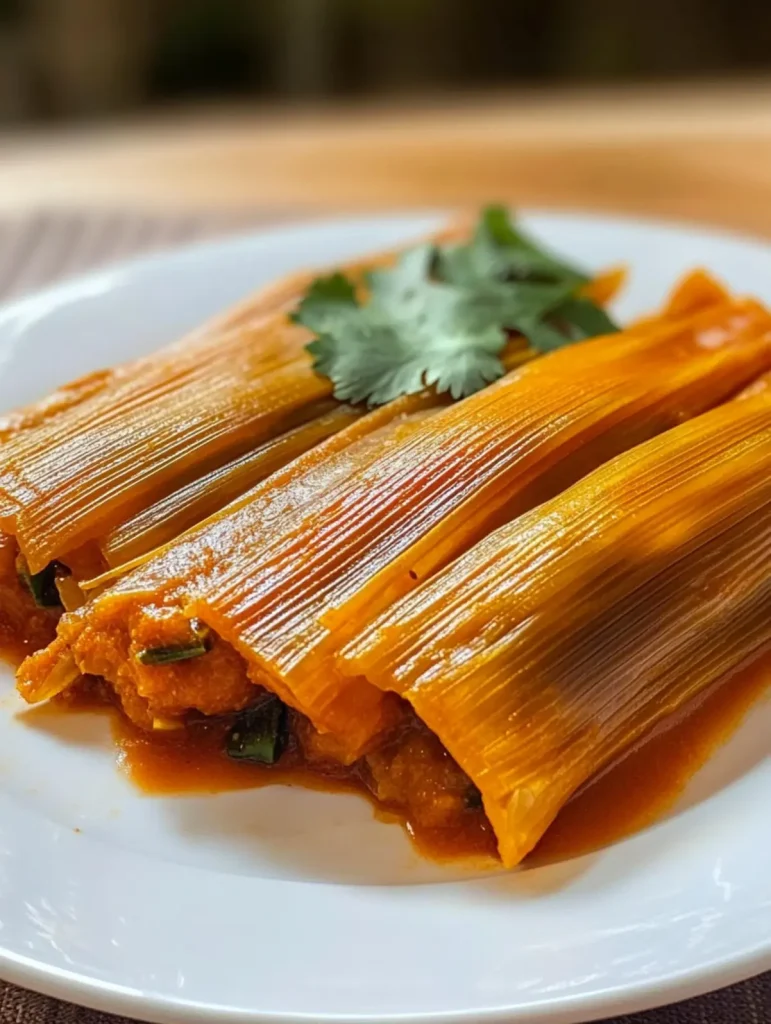
These Chile Colorado Tamales deliver an explosion of savory depth with their tender, chili-infused pork wrapped in pillowy masa dough. The rich sauce—built from the earthy foundation of ancho and guajillo chiles—transforms simple ingredients into something truly extraordinary. Each tamale offers the perfect balance of spice and comfort, with the handmade masa developing a beautiful texture that simply can’t be matched by store-bought versions. Unwrap these fragrant parcels alongside fresh guacamole for a traditional meal that celebrates the art of slow cooking and patience rewarded.
Why It Belongs in Your Recipe Box
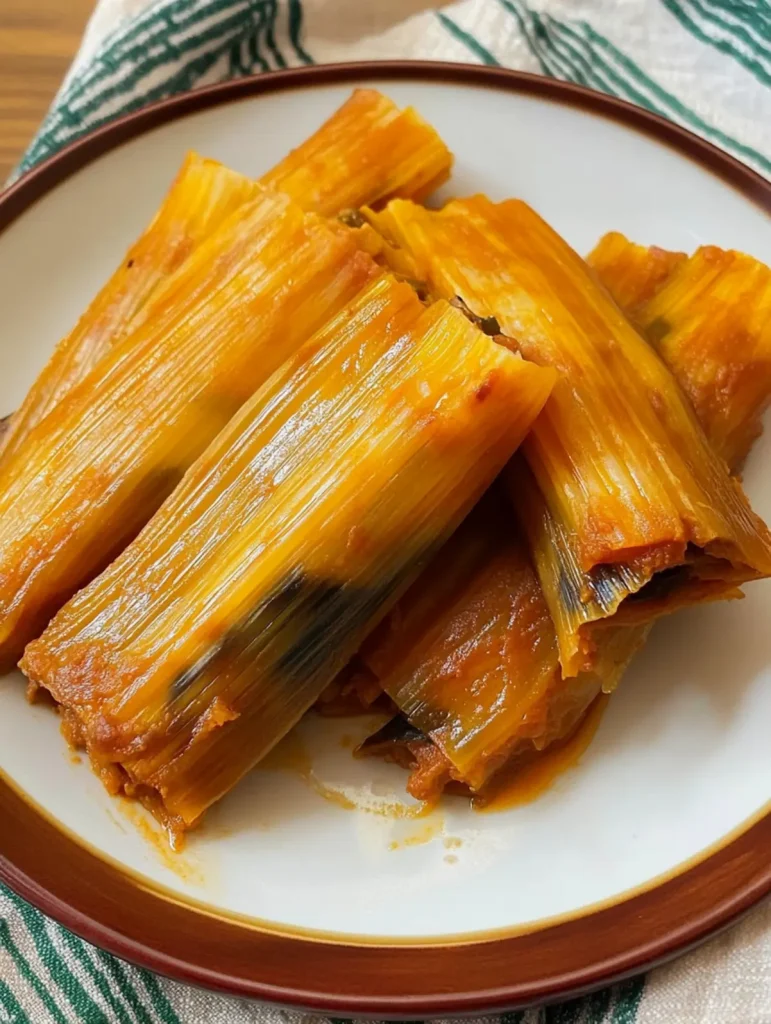
These Chile Colorado Tamales deliver traditional homemade flavor with techniques that ensure success every time. Here’s why they deserve a permanent spot in your cooking repertoire:
- Depth of Flavor : The combination of ancho and guajillo chiles creates a complex, rich sauce that permeates every bite of tender pork without overwhelming heat.
- Make-Ahead Marvel : These tamales freeze beautifully for up to three months, making them perfect for weekend batch cooking and easy weeknight dinners later.
- Texture Perfection : The precise ratio of lard to masa creates a light, pillowy dough that steams to the ideal consistency—never dry or gummy.
- Authentic Technique : The two-step cooking method of browning the pork before simmering ensures maximum flavor development and fork-tender meat every time.
- Crowd-Pleasing Versatility : Whether served as a special family dinner, holiday tradition, or potluck contribution, these tamales consistently earn rave reviews and recipe requests.
- Kitchen Confidence Builder : Mastering this intermediate recipe builds valuable skills that transfer to many other traditional Mexican dishes in your cooking journey.
Ingredient Breakdown with Tips
Creating authentic Chile Colorado Tamales requires careful ingredient selection—each component contributes specific flavors, textures, and aromas that build the complex, comforting profile of this traditional dish. Here’s what you need to know about each ingredient to achieve tamale perfection:
- Vegetable or beef stock : Forms the flavorful base of your chile sauce. Homemade stock delivers superior depth, but low-sodium store-bought works well when time is limited.
- Dried ancho chiles : These provide deep, fruity flavor with mild heat and are crucial for the authentic color of Chile Colorado. Toast them briefly before soaking to intensify their rich, raisin-like notes.
- Dried guajillo chiles : Offer a bright, tangy complement to the anchos with moderate heat. Their thin walls make them easy to rehydrate—look for flexible ones with vibrant color.
- Yellow onion : Adds essential aromatic foundation and natural sweetness. Quartering the onion allows it to release flavor efficiently into the cooking liquid.
- Garlic cloves : Provides essential pungent depth to the sauce. Whole cloves work perfectly here as they’ll be blended later—no need to mince.
- Bay leaves : These contribute subtle herbal notes that round out the sauce. Always remove before blending, as they remain sharp-edged even after cooking.
- Dried oregano : Mexican oregano is ideal for its citrus notes and intensity, though Mediterranean oregano can substitute in a pinch.
- Ground cumin : Adds earthy warmth that enhances the chiles without overwhelming. Toasting whole seeds and grinding fresh delivers notably brighter flavor.
- Smoked paprika : Provides subtle smoky depth without requiring actual wood smoking. Look for Spanish pimentón for the most authentic flavor profile.
- Kosher salt and black pepper : Essential seasoning elements—kosher salt dissolves more evenly than table salt, while freshly ground pepper offers superior aroma.
- Cornstarch : Acts as a thickening agent for the chile sauce. Always dissolve in cold liquid first to prevent lumping when added to hot mixtures.
- Pork shoulder : The ideal cut for tamale filling due to its perfect fat-to-meat ratio that becomes fork-tender when braised. Cutting into 2-inch cubes ensures even cooking.
- Cooking oil : Used for browning the meat, which develops crucial flavor compounds. Avocado oil works particularly well due to its high smoke point.
- Avocado leaves : These optional aromatics impart a subtle anise-like flavor to traditional tamales. If unavailable, a pinch of ground anise can approximate the flavor.
- Hoja santa leaf : Another optional aromatic that adds unique herbal, sassafras-like notes. Fresh epazote can substitute if hoja santa is difficult to source.
- Fresh masa/masa harina : The foundation of the tamale dough. Fresh masa from a tortilleria produces superior texture, but masa harina (corn flour) properly hydrated works well for most home cooks.
- Lard or vegetable shortening : Creates the light, fluffy texture essential to good tamales. Traditional lard delivers authentic flavor, while vegetable shortening works for vegetarian versions.
- Baking powder : A crucial ingredient that ensures your tamales have a light, airy texture rather than becoming dense or gummy.
- Chile colorado cooking liquid : Recycling the flavorful cooking liquid to hydrate the masa creates cohesive flavor throughout the entire tamale.
- Dried corn husks/banana leaves : The traditional wrappers that impart subtle flavor while steaming. Soak corn husks in hot water for at least 30 minutes until pliable before using.
Step-by-Step Instructions
- Prepare the chile sauce base by combining stock, dried chiles, onion, garlic, bay leaves, oregano, cumin, and paprika in a large pot. Bring to a simmer over medium heat and cook for 25 minutes until the chiles are completely soft and rehydrated.
- Brown the pork in batches using a heavy-bottomed pot with a few tablespoons of oil. Season generously with salt and pepper, and work in small batches to ensure proper caramelization—I’ve found overcrowding the pan results in steaming rather than browning.
- Blend the chile mixture until completely smooth, removing the bay leaves first. Return to the pot and dissolve the cornstarch in 1/4 cup cold water, then whisk into the sauce. This thickener creates the perfect consistency for clinging to the meat.
- Combine the pork with the sauce along with optional avocado and hoja santa leaves if using. Simmer gently for 2-3 hours until the meat falls apart easily when pressed with a fork. The sauce should coat the back of a spoon when done.
- Prepare the corn husks by soaking in hot water for at least 30 minutes until pliable. Place something heavy on top to keep them submerged—this prevents dry spots that can tear during assembly.
- Make the masa dough by combining masa harina (if using) with the chile colorado cooking liquid, lard, baking powder, and salt. Mix until the texture resembles smooth peanut butter—it should be soft enough to spread but firm enough to hold shape.
- Assemble the tamales by spreading about 3 tablespoons of masa onto the smooth side of each husk, leaving a border all around. Place 2 tablespoons of the pork filling down the center, then fold the sides over and fold up the pointed end.
- Steam the tamales upright in a steamer basket for 60-90 minutes. They’re done when the masa pulls away easily from the husk—I always test one before removing the whole batch. Let them rest 10 minutes before serving to set the texture completely.
Expert Tips
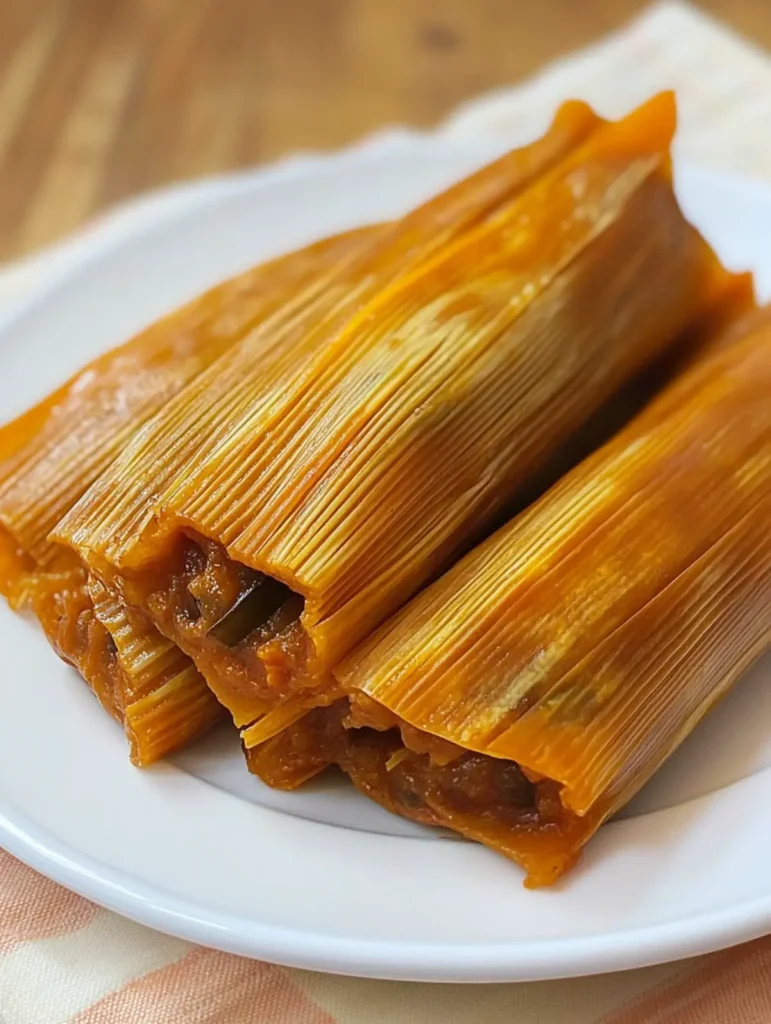
Get ready to elevate your Chile Colorado Tamales with these professional insights that make all the difference:
- Toast your dried chiles first : I briefly toast ancho and guajillo chiles in a dry skillet for 15-20 seconds per side before rehydrating. This simple step awakens their oils and dramatically deepens the flavor of your sauce.
- Float test your masa : Drop a small ball of prepared masa dough into cold water – it should float if you’ve incorporated enough air. If it sinks, beat your dough longer with additional lard until it passes this traditional test.
- Strain for silky sauce : After blending your chile mixture, pass it through a fine-mesh strainer to remove any tough bits of chile skin. This extra step creates a velvety Chile Colorado sauce that perfectly coats the pork.
- Create an assembly line : Arrange your soaked corn husks, prepared masa, and pork filling in sequence before starting assembly. This organization makes the process flow smoothly and ensures consistent tamales throughout your batch.
- Master the fold : When wrapping tamales, fold one side of the husk over the filling first, then the other side, creating overlap. The bottom folds up last, leaving the top open – this prevents masa from squeezing out during steaming.
- Check water levels : When steaming tamales for 60-90 minutes, periodically check your steamer to ensure water hasn’t evaporated. Add boiling water (never cold) when needed to maintain steady steam without shocking the cooking tamales.
Storage & Freezing
These homemade Chile Colorado Tamales keep beautifully, making them perfect for meal prep or for enjoying over several days. Properly stored tamales maintain their distinctive flavors and can be easily revived to taste nearly as fresh as the day you made them.
The cooked tamales can be refrigerated in their husks for up to 5 days in an airtight container. I recommend allowing them to cool completely before refrigerating to prevent condensation that could make the masa soggy. The corn husks actually help protect the delicate masa and filling, so leave them wrapped until ready to reheat.
For longer storage, these tamales freeze exceptionally well for up to 3 months. Wrap each cooled tamale tightly in plastic wrap, then store them in freezer-safe containers or heavy-duty freezer bags. The masa’s fat content helps prevent freezer burn, while the chile-infused pork filling retains its rich flavor during freezing.
When you’re ready to enjoy your tamales again, the best reheating method is steaming. Place refrigerated or thawed frozen tamales in a steamer basket over simmering water for 15-20 minutes until heated through. For a quicker option, wrap individual tamales in a damp paper towel and microwave for 1-2 minutes. If reheating directly from frozen, add about 10 minutes to the steaming time or use the defrost setting on your microwave first.
Variations & Substitutions
Making these Chile Colorado Tamales your own is part of the joy of this traditional recipe. Here’s how you can adapt it to your preferences, pantry, or dietary needs:
- Meat alternatives : While pork shoulder creates the traditional texture, you can substitute beef chuck roast, chicken thighs, or even venison for equally delicious results—just adjust cooking times accordingly. For beef, add about 30 minutes to the simmer time.
- Vegetarian filling : I’ve had great success replacing the meat with a mixture of sautéed mushrooms, roasted butternut squash, and black beans seasoned with the same chile sauce. The earthy mushrooms particularly complement the chile flavors.
- Chile variations : No guajillos? Try cascabel or New Mexico chiles instead. For extra heat, add 1-2 árbol chiles to the sauce. Each chile variety brings its own character—experiment to find your perfect blend.
- Make it lighter : Vegetable shortening can replace lard in the masa for a slightly different texture, while chicken stock works well in place of beef. Some cooks successfully use half the fat with a bit more liquid for a less rich version.
- Corn husk alternatives : If corn husks are unavailable, parchment paper can work in a pinch—though you’ll miss the traditional corn aroma. Banana leaves impart a distinct earthy flavor and make excellent substitutes for a tropical twist.
- Flavor boosters : Add 1/4 cup toasted pepitas (pumpkin seeds) or 2 ounces melted Mexican chocolate to the chile sauce for remarkable depth. A splash of apple cider vinegar brightens the entire profile without changing the traditional character.
Make-Ahead Tips for Chile Colorado Tamales
These Chile Colorado Tamales are absolutely perfect for meal prep enthusiasts who want authentic homemade flavor without the weeknight time crunch! You can prepare the chile colorado sauce and cook the pork filling up to 3 days in advance, storing both separately in the refrigerator (this actually allows the flavors to deepen beautifully). The masa can be made up to 24 hours ahead and kept covered at room temperature. For ultimate convenience, assemble the entire tamales and refrigerate them overnight before steaming—just add an extra 15-20 minutes to the steaming time. When ready to serve, steam directly from cold and you’ll have restaurant-quality tamales with minimal day-of effort!
Serving Suggestions
These Chile Colorado Tamales are a showstopper on their own but truly shine when presented as part of a thoughtful spread that complements their rich flavors and textures.
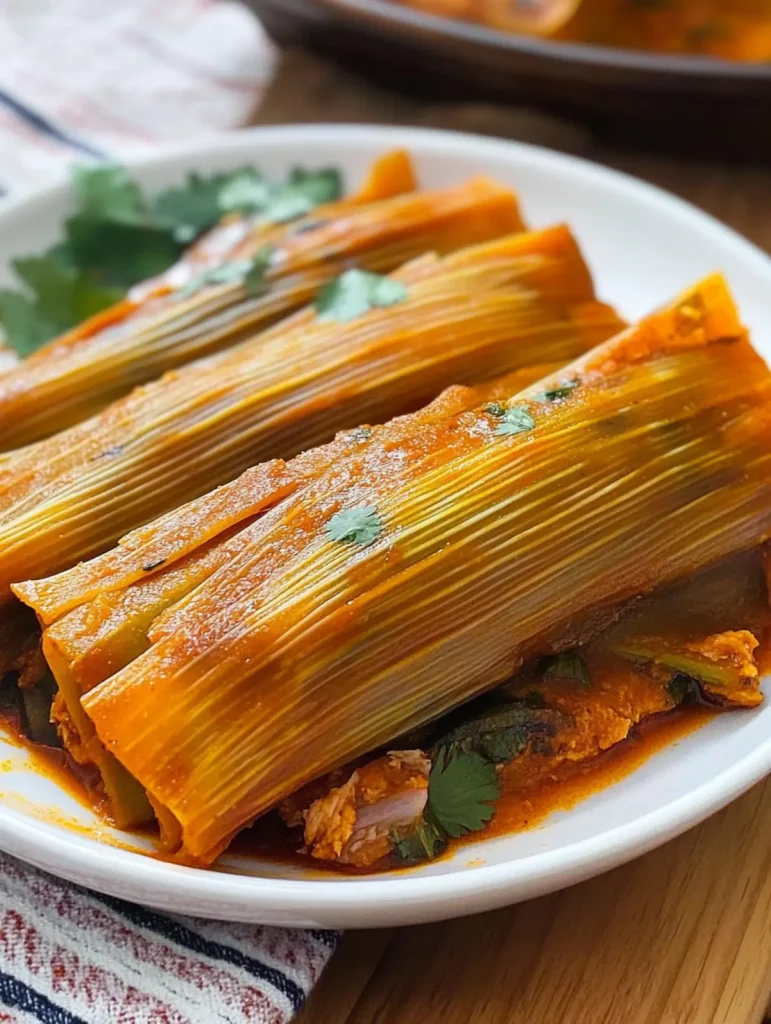
I love to arrange these tamales on a large platter, unwrapped and cut diagonally to showcase the beautiful red-tinged filling and pillowy masa. Serve them alongside small bowls of thinned chile colorado sauce (reserved from cooking) for drizzling over the top—this brings the experience full circle and intensifies the flavor connection.
For traditional accompaniments, offer a bright, acidic pico de gallo or tomatillo salsa to cut through the richness of the pork and masa. A simple cabbage slaw dressed with lime juice and a touch of olive oil provides refreshing crunch that balances the soft tamale texture. For a complete meal, black beans seasoned with cumin and a touch of the chile sauce make an ideal side.
Drinks matter too—these tamales pair beautifully with Mexican beers like Negra Modelo, whose malty notes complement the earthy chiles. For non-alcoholic options, try horchata (cinnamon-rice milk) or agua fresca de jamaica (hibiscus tea), whose sweetness balances the savory depth of the Chile Colorado Tamales perfectly.
Recipe FAQs
Can I substitute chicken for pork? Yes! Boneless thighs work perfectly here.
Where can I find dried guajillo chiles? Latino markets or online specialty stores.
Can I make vegetarian Chile Colorado Tamales? Use mushrooms and vegetable shortening instead.
How do I know when tamales are done? Masa pulls cleanly from the husk.
Can I freeze the assembled tamales before cooking? I freeze them after steaming for best texture.
What if I can’t find corn husks? Parchment paper works as an alternative wrapper.
- 0 Facebook
- 0 Pinterest
- 0 Email
- Copy Link
- 0 shares
Homemade Chile Colorado Tamales: Ultimate Savory Comfort
Ingredients
Instructions
- Prepare the chile sauce base
by combining stock, dried chiles, onion, garlic, bay leaves, oregano, cumin, and paprika in a large pot. Bring to a simmer over medium heat and cook for 25 minutes until the chiles are completely soft and rehydrated.
- Brown the pork
in batches using a heavy-bottomed pot with a few tablespoons of oil. Season generously with salt and pepper, and work in small batches to ensure proper caramelization.
- Blend the chile mixture
until completely smooth, removing the bay leaves first. Return to the pot and dissolve the cornstarch in 1/4 cup cold water, then whisk into the sauce.
- Combine the pork with the sauce
along with optional avocado and hoja santa leaves if using. Simmer gently for 2-3 hours until the meat falls apart easily when pressed with a fork.
- Prepare the corn husks
by soaking in hot water for at least 30 minutes until pliable.
- Make the masa dough
by combining masa harina (if using) with the chile colorado cooking liquid, lard, baking powder, and salt. Mix until the texture resembles smooth peanut butter.
- Assemble the tamales
by spreading about 3 tablespoons of masa onto the smooth side of each husk, leaving a border all around. Place 2 tablespoons of the pork filling down the center, then fold the sides over and fold up the pointed end.
- Steam the tamales
upright in a steamer basket for 60-90 minutes. Let them rest 10 minutes before serving.
Notes
Toast your dried chiles first : Toast ancho and guajillo chiles in a dry skillet for 15-20 seconds per side before rehydrating.
Float test your masa : Drop a small ball of prepared masa dough into cold water – it should float if enough air is incorporated.
Strain for silky sauce : Pass your blended chile mixture through a fine-mesh strainer.
Create an assembly line : Arrange your soaked corn husks, prepared masa, and pork filling in sequence.
Master the fold : Fold one side of the husk over the filling first, then the other side.
Check water levels : Periodically check your steamer to ensure water hasn’t evaporated.
Nutrition
| Serving Size | 1 tamale |
|---|---|
| Calories | 300 calories |
| Sugar Content | 1g |
| Sodium Content | 600mg |
| Fat Content | 18g |
| Saturated Fat Content | 7g |
| Unsaturated Fat Content | 9g |
| Trans Fat Content | 0g |
| Carbohydrate Content | 30g |
| Fiber Content | 2g |
| Protein Content | 15g |
| Cholesterol Content | 50mg |