- 0 Facebook
- 0 Pinterest
- 0 Email
- Copy Link
- 0 shares
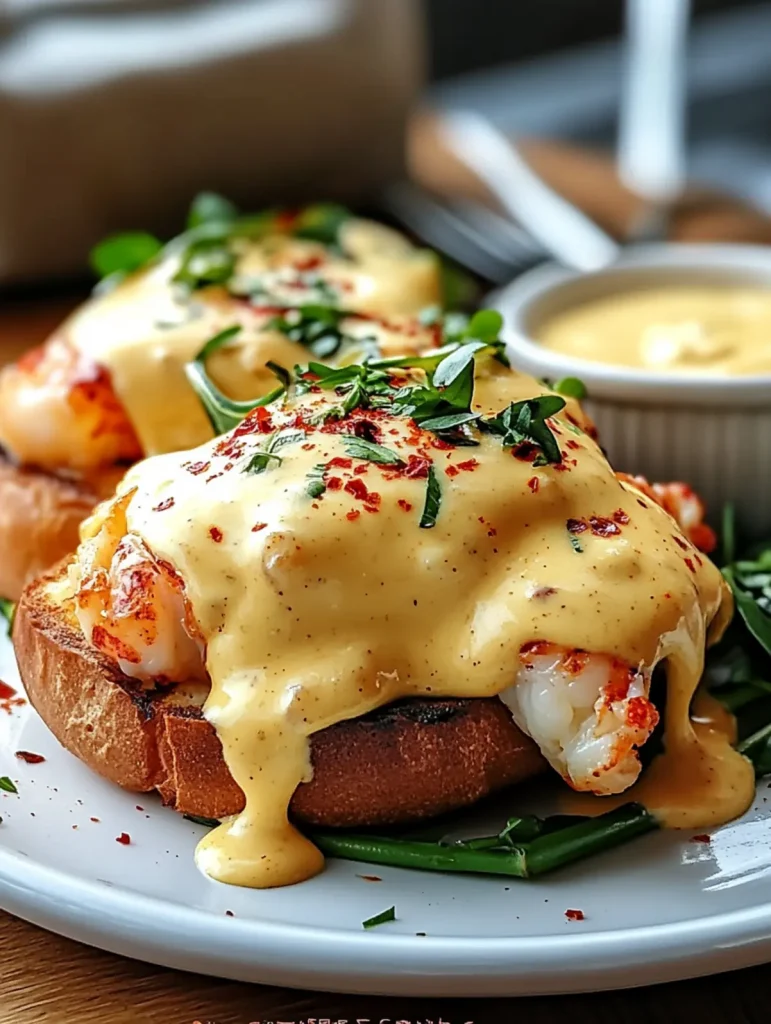
This decadent Bay Lobster Eggs Benedict transforms an already luxurious breakfast classic into something truly extraordinary. Tender, sweet chunks of bay lobster crown perfectly poached eggs on crispy English muffins, while a velvety Cajun Hollandaise adds a subtle heat that elevates every bite. The sauce—rich and buttery with just the right amount of spice—cascades over the delicate lobster meat, creating a harmony of flavors that makes this dish restaurant-quality without leaving home. Best enjoyed with a glass of fresh-squeezed orange juice and a few extra napkins for that irresistible runny yolk.
Why You’ll Love This Recipe
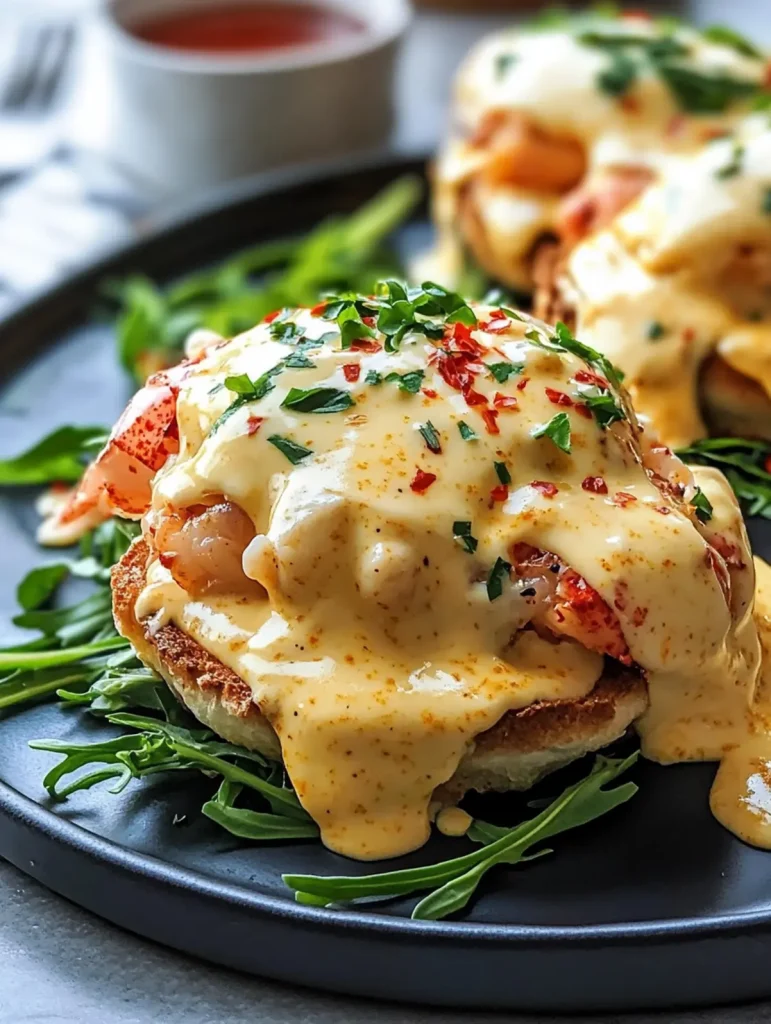
This exquisite breakfast masterpiece combines luxury and comfort in one unforgettable plate. Here’s why bay lobster eggs benedict deserves a spot in your weekend rotation:
- Restaurant Quality at Home : The combination of tender bay lobster and spiced hollandaise creates a dish that rivals five-star brunch spots without the hefty price tag or reservation.
- Impressive Yet Approachable : Despite its gourmet appearance, this recipe breaks down into manageable steps that even intermediate home cooks can master with confidence.
- Perfect Balance of Flavors : The sweetness of the bay lobster complements the subtle heat from the Cajun hollandaise, while the runny poached eggs add richness that ties everything together.
- Customizable Heat Level : Adjust the Cajun seasoning and optional cayenne to create your ideal spice profile—from gentle warmth to more assertive heat that cuts through the buttery sauce.
- Quick Luxury : At just 25 minutes from start to finish, this elegant dish delivers maximum impact with minimal time investment—perfect for special occasions or elevating ordinary weekends.
Ingredient Breakdown with Tips
Every element in this luxurious Bay Lobster Eggs Benedict works in harmony to create the perfect balance of flavors and textures. The quality of each ingredient directly impacts your final result, so let’s break down what makes each component shine.
- English muffins : Choose artisanal or bakery-fresh muffins with plenty of nooks and crannies to catch the sauce. Lightly butter after toasting for an extra layer of richness.
- Large eggs : Farm-fresh eggs with vibrant orange yolks will elevate the visual appeal and flavor. Always use room temperature eggs for more consistent poaching results.
- Bay lobster meat : The star of this dish should be sweet and tender—look for freshly cooked lobster from a trusted fishmonger. Tail meat offers the most elegant presentation, while claw meat provides more sweetness.
- Baby arugula : This optional peppery green adds color, texture, and a subtle bite that cuts through the richness. Consider a light toss in lemon juice before layering for extra brightness.
- White vinegar : Essential for poaching as it helps the egg whites coagulate quickly around the yolk. Distilled white vinegar works perfectly, but champagne vinegar offers a gentler flavor profile.
- Egg yolks (for Hollandaise) : The foundation of your sauce—fresh, high-quality yolks create a more stable emulsion and richer flavor. Save the whites for a healthy omelet the next day.
- Unsalted butter : Choose European-style butter with higher fat content for an exceptionally creamy Hollandaise. Always use unsalted to control the final seasoning of your sauce.
- Lemon juice : Freshly squeezed is non-negotiable here—it adds crucial acidity that balances the richness. Meyer lemons provide a gentler, more floral note if available.
- Cajun seasoning : Look for blends containing paprika, garlic, onion, oregano, and thyme. Different brands vary in salt content, so adjust your additional seasoning accordingly.
- Smoked paprika : This adds complexity and smoky depth to the Hollandaise. Spanish varieties offer the most authentic flavor, but Hungarian works beautifully too.
- Salt : Fine sea salt or kosher salt allows for precise seasoning. Add gradually and taste frequently when making the Hollandaise.
- Cayenne : This optional ingredient lets you control the heat level of your sauce. Start with just a pinch—you can always add more after tasting your Hollandaise.
Let’s Cook It
- Fill a large saucepan with water to about 3 inches deep and bring to a gentle simmer. Add the tablespoon of white vinegar—this helps the egg whites coagulate quickly and gives you neater poached eggs.
- Prepare a double boiler for the Hollandaise by placing a heatproof bowl over a pot of barely simmering water (make sure the bowl doesn’t touch the water). Add the 3 egg yolks and whisk vigorously until they become pale and slightly thickened.
- Slowly drizzle the melted butter into the egg yolks while whisking constantly. I’ve learned that patience is key here—add the butter too quickly and your sauce might break, so take your time with this step.
- Whisk in the lemon juice, Cajun seasoning, smoked paprika, salt, and cayenne (if using) until fully incorporated. The sauce should be smooth, velvety, and able to coat the back of a spoon. Keep warm over very low heat, stirring occasionally.
- Poach your eggs by creating a gentle whirlpool in the simmering water and carefully sliding each egg in. Cook for about 3 minutes for perfectly runny yolks. Remove with a slotted spoon and place on a paper towel to drain excess water.
- Toast the English muffins until golden brown and place on serving plates. If using arugula, arrange a small handful on each muffin half to create a peppery bed for the lobster.
- Divide the lobster meat evenly among the muffin halves, then top each with a poached egg. The warmth of the egg will gently heat the lobster to the perfect temperature.
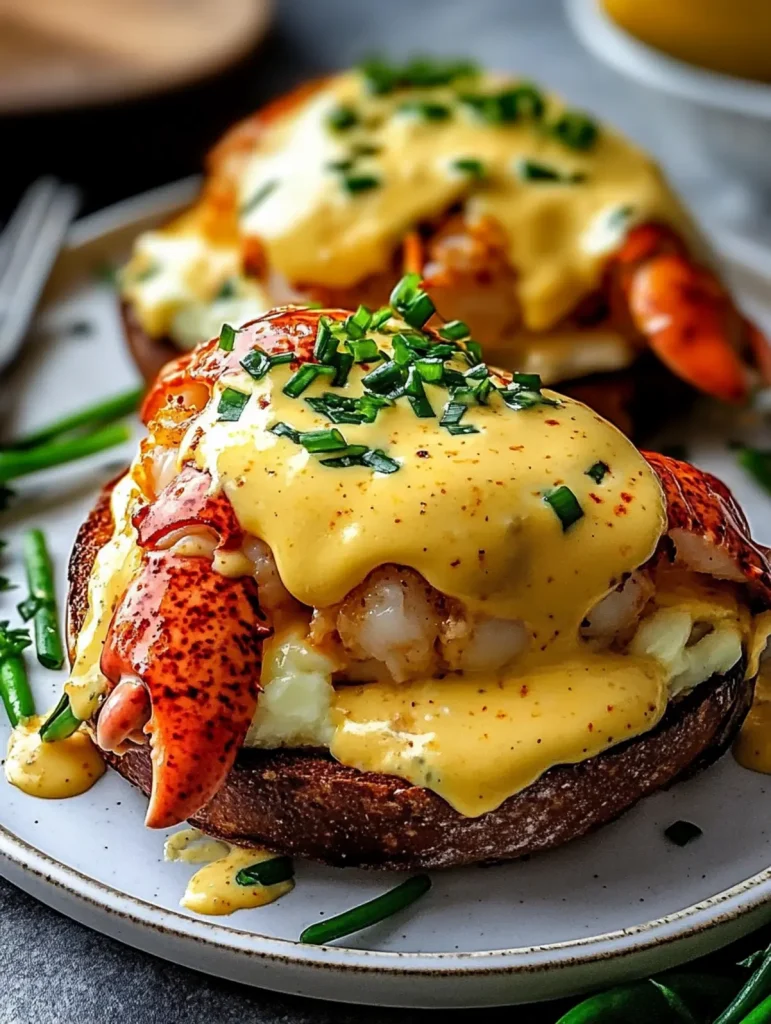
- Generously spoon the Cajun Hollandaise over each stack, allowing it to cascade down the sides. Serve immediately while everything is warm and the yolks are still runny.
The Hollandaise sauce can be finicky if it gets too hot. If you notice it starting to separate, immediately remove from heat and add a teaspoon of cold water while whisking vigorously to bring it back together.
Expert Tips
Master these insider tricks to elevate your Bay Lobster Eggs Benedict with Cajun Hollandaise to restaurant quality:
- Room temperature ingredients first : Allow your egg yolks and butter to reach room temperature before making hollandaise—cold ingredients are the number one cause of broken sauces.
- The vinegar trick : I always use exactly 1 tablespoon of vinegar per 4 cups of poaching water—any more can make eggs taste acidic, any less won’t help them hold shape.
- Perfect lobster preparation : Gently warm your cooked bay lobster meat by placing it in a covered bowl near (not on) your heat source while you work—never microwave, which toughens the delicate texture.
- Hollandaise rescue plan : If your sauce starts to separate, immediately add 1-2 teaspoons of hot water while whisking vigorously—I’ve saved countless broken sauces with this emergency technique.
- Assembly timing matters : Poach eggs just before serving and assemble each Benedict immediately—the residual warmth from freshly poached eggs helps the hollandaise maintain its perfect consistency.
Serving Suggestions
This Bay Lobster Eggs Benedict with Cajun Hollandaise deserves to be served with the same love and attention you put into creating it. A few thoughtful touches can transform this already impressive dish into an unforgettable dining experience.
For an elegant brunch presentation, serve each portion on warmed plates to keep the Hollandaise sauce at its perfect consistency longer. I like to add a light sprinkle of microgreens or a small pinch of smoked paprika on top for a pop of color that hints at the Cajun flavors within. A lemon wedge on the side allows guests to add a fresh squeeze of acidity if desired.
This rich dish pairs beautifully with lighter accompaniments. A simple side of fresh fruit—particularly berries or citrus segments—provides a refreshing contrast to the decadent Hollandaise. For a more substantial brunch, consider serving alongside crispy home fries or roasted asparagus spears, which are perfect for soaking up any extra sauce. The baby arugula mentioned in the ingredients makes an excellent side salad when tossed with a light lemon vinaigrette.
For beverages, mimosas are a classic pairing, but I’ve found that the spicy notes in the Cajun Hollandaise also complement a zesty Bloody Mary beautifully. For non-alcoholic options, a freshly squeezed grapefruit juice or sparkling water with a twist of lemon maintains the luxurious feel of the meal without competing with the complex flavors of the dish.
Variations & Substitutions
This luxurious benedict is wonderfully adaptable while still maintaining its elegant appeal. Consider these delicious tweaks based on what you have available or your personal preferences:
- Seafood swaps : If bay lobster isn’t available, try lump crab meat, sautéed shrimp, or even smoked salmon for equally decadent results. Each brings its own unique character while maintaining that special-occasion feel.
- Muffin alternatives : I sometimes use toasted brioche, sourdough rounds, or even crispy potato cakes instead of English muffins. The potato variation creates a delightful textural contrast with the creamy sauce.
- Dietary adjustments : For a gluten-free version, substitute gluten-free English muffins or portobello mushroom caps. The mushrooms add an earthy dimension that works beautifully with the seafood.
- Hollandaise variations : Experiment with the seasoning profile by swapping Cajun for Old Bay, Creole, or even a curry blend. Each creates a distinctive flavor profile while maintaining that luxurious texture.
- Add complementary vegetables : Layer avocado slices beneath the lobster for extra creaminess, or add quick-pickled onions on top for brightness that cuts through the richness of the dish.
- Spice level customization : Adjust the heat by varying the Cajun seasoning and cayenne amounts. For a milder version, replace some or all of the spice with lemon zest and fresh herbs like dill or chives.
Storage & Freezing
Eggs Benedict is best enjoyed immediately, but with some careful planning, you can manage leftovers effectively. The components of this luxurious dish require different handling approaches for optimal results.
The Hollandaise sauce can be refrigerated for up to 2 days in an airtight container, though it may separate slightly. To restore its silky texture, gently reheat it in a double boiler while whisking continuously. I’ve found adding a teaspoon of warm water helps revive the consistency without diluting the flavor too much.
Poached eggs don’t freeze well, but can be stored in cold water in the refrigerator for up to 24 hours. To reheat, place them in hot (not boiling) water for 30-60 seconds until warmed through. The lobster meat can be refrigerated separately for up to 2 days, but avoid freezing as it significantly alters the delicate texture and flavor.
For a make-ahead option, prepare the English muffins and lobster meat the night before, then focus on the eggs and Hollandaise sauce just before serving. This approach gives you the best balance between convenience and maintaining the dish’s luxurious quality.
Make-Ahead Tips for Bay Lobster Eggs Benedict
This luxurious Bay Lobster Eggs Benedict is surprisingly meal-prep friendly, making special occasions stress-free! The Cajun Hollandaise can be prepared up to 2 days ahead —simply store it covered in the refrigerator and gently reheat in a double boiler, whisking constantly to restore its silky texture. You can also cook and pick your lobster meat up to 24 hours in advance, storing it chilled until assembly (it’ll warm perfectly from the heat of the poached eggs). Toast your English muffins the morning of serving for optimal crispness, then poach fresh eggs and assemble immediately. This advance prep transforms an elegant brunch into a quick 10-minute assembly, giving you more time to enjoy the company and less time stressed in the kitchen.
Recipe FAQs
Why use vinegar when poaching eggs? Helps egg whites coagulate quickly for neater poaching.
Can I make the Hollandaise sauce ahead? No. Best made fresh just before serving.
What if my Hollandaise sauce breaks? Remove from heat, add cold water, whisk vigorously.
Is the arugula necessary? No, it’s optional for peppery contrast.
Can I substitute the bay lobster? Crab or shrimp work well too.
How do I know when eggs are perfectly poached? Whites set, yolks still runny after 3 minutes.
- 0 Facebook
- 0 Pinterest
- 0 Email
- Copy Link
- 0 shares
The Ultimate Guide to Luxurious Bay Lobster Eggs Benedict
Ingredients
Instructions
- Fill a large saucepan
with water to about 3 inches deep and bring to a gentle simmer. Add the tablespoon of white vinegar—this helps the egg whites coagulate quickly and gives you neater poached eggs.
- Prepare a double boiler
for the Hollandaise by placing a heatproof bowl over a pot of barely simmering water (make sure the bowl doesn’t touch the water). Add the 3 egg yolks and whisk vigorously until they become pale and slightly thickened.
- Slowly drizzle
the melted butter into the egg yolks while whisking constantly. I’ve learned that patience is key here—add the butter too quickly and your sauce might break, so take your time with this step.
- Whisk in
the lemon juice, Cajun seasoning, smoked paprika, salt, and cayenne (if using) until fully incorporated. The sauce should be smooth, velvety, and able to coat the back of a spoon. Keep warm over very low heat, stirring occasionally.
- Poach your eggs
by creating a gentle whirlpool in the simmering water and carefully sliding each egg in. Cook for about 3 minutes for perfectly runny yolks. Remove with a slotted spoon and place on a paper towel to drain excess water.
- Toast the English muffins
until golden brown and place on serving plates. If using arugula, arrange a small handful on each muffin half to create a peppery bed for the lobster.
- Divide the lobster meat
evenly among the muffin halves, then top each with a poached egg. The warmth of the egg will gently heat the lobster to the perfect temperature.
- Generously spoon
the Cajun Hollandaise over each stack, allowing it to cascade down the sides. Serve immediately while everything is warm and the yolks are still runny.
Notes
Room temperature ingredients first : Allow your egg yolks and butter to reach room temperature before making hollandaise—cold ingredients are the number one cause of broken sauces.
The vinegar trick : I always use exactly 1 tablespoon of vinegar per 4 cups of poaching water—any more can make eggs taste acidic, any less won’t help them hold shape.
Perfect lobster preparation : Gently warm your cooked bay lobster meat by placing it in a covered bowl near (not on) your heat source while you work—never microwave, which toughens the delicate texture.
Hollandaise rescue plan : If your sauce starts to separate, immediately add 1-2 teaspoons of hot water while whisking vigorously—I’ve saved countless broken sauces with this emergency technique.
Assembly timing matters : Poach eggs just before serving and assemble each Benedict immediately—the residual warmth from freshly poached eggs helps the hollandaise maintain its perfect consistency.
Nutrition
| Serving Size | 1 stack |
|---|---|
| Calories | 600 calories |
| Sugar Content | 1g |
| Sodium Content | 750mg |
| Fat Content | 50g |
| Saturated Fat Content | 30g |
| Unsaturated Fat Content | 15g |
| Trans Fat Content | 0g |
| Carbohydrate Content | 30g |
| Fiber Content | 3g |
| Protein Content | 25g |
| Cholesterol Content | 350mg |