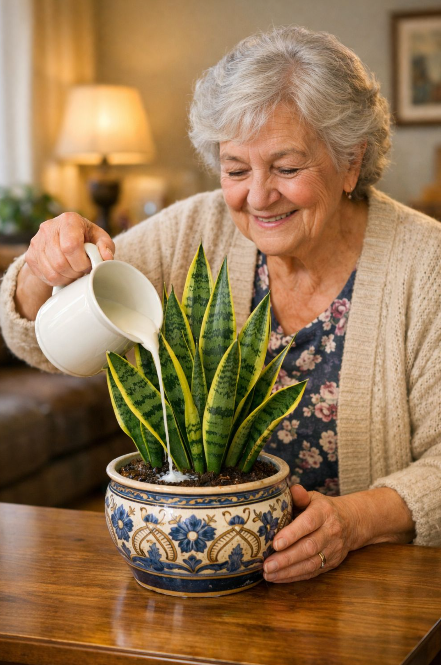
Every plant lover has asked the same question at some point: Why do some people’s plants thrive while mine keep dying? If you’ve ever stared at your droopy pothos or browning fiddle leaf fig in frustration, you’re not alone. For many plant parents, success doesn’t come from expensive products or rare species—it comes from one small, consistent daily habit.
In this article, we’ll reveal the simple routine that helps plants live for years, share expert advice on building a healthy environment for your indoor garden, and explore the science and psychology behind plant longevity.
🌞 The Daily Habit That Keeps Plants Thriving
Meet Clara Evans, a graphic designer from Portland, Oregon. She’s not a botanist or a gardener by profession—but walk into her apartment, and you’ll find over 50 lush, vibrant plants lining the walls and windows. Her secret?
“I check on my plants for five minutes every morning, just like brushing my teeth. It’s my reset time and their checkup.” — Clara Evans
Clara’s “micro-check” is a simple scan of her indoor garden—checking leaves, touching the soil, rotating pots slightly, and noticing any early signs of distress. This small habit has a huge payoff:
- 👁️ Catches problems before they escalate
- 💧 Prevents overwatering by feeling the soil first
- 🪴 Helps her rotate plants for balanced growth
- 📅 Builds a consistent rhythm her plants “respond” to
🧠 Why Consistency Matters More Than Perfection
Plant behavior and subtle signs
According to Dr. Leila Nour , a plant biologist and author of Rooted Habits , “Plants are slow responders. What you see today may be the result of what happened days or even weeks ago.” That’s why small, daily attention is more effective than irregular deep-care sessions.
Micro-checks = early detection
Just like we brush our teeth daily instead of waiting for dental emergencies, the same principle applies to plant care. Spotting pests early, adjusting for lighting shifts, and catching overwatering before root rot sets in are the real keys to longevity.
🛠️ Practical Tools to Support Your Daily Habit
Clara doesn’t use expensive gadgets—just a few basic tools:
- Soil moisture meter: Optional, but helpful for beginners
- Small watering can: With a narrow spout for control
- Soft microfiber cloth: For dusting large leaves
- Sticky pest traps: Discreet yellow cards for early bug detection
All of these tools fit in a small basket under her sink—ready to go every morning.
🥗 Nutritional & Functional Benefits Table
🆚 DIY Daily Care vs Commercial Plant Care Services
DIY (Daily Habit)
- ✅ Inexpensive
- ✅ Builds a bond with your plants
- ✅ Increases awareness of subtle changes
- ❌ Requires time & consistency
Commercial Services
- ✅ Convenient for busy travelers
- ✅ Professional expertise
- ❌ Costly over time
- ❌ Less connection to your plants’ signals
Verdict: For most plant lovers, a 5-minute daily DIY routine provides the best mix of engagement, cost-efficiency, and results.
⚠️ Common Mistakes That Shorten Plant Lifespans
- 🚱 Overwatering without checking soil moisture
- 🌑 Forgetting to rotate plants toward the light
- 🪟 Placing plants too close to drafty windows or heat vents
- 🪲 Ignoring early signs of pests (like sticky residue or webbing)
- 📦 Leaving new plants in nursery pots too long
❓ Top 10 FAQs About Daily Plant Care Habits
1. How much time should I spend daily on my plants?
Just 3–5 minutes per day is often enough if you’re consistent.
2. Can this habit really make my plants live longer?
Yes, early detection of issues and consistent care lead to healthier, longer-living plants.
3. What if I forget a day?
Missing a day occasionally won’t hurt, but try not to skip multiple days in a row.
4. Is there a best time of day to do this?
Morning is ideal—light is changing, and you’ll spot things before the day gets busy.
5. What if I travel often?
Use self-watering pots or arrange for a friend to follow your quick routine while you’re away.
6. Do I need fancy tools?
Nope. Your finger to test soil and your eyes to spot issues are usually enough.
7. How do I know if I’m overwatering?
Soil should feel dry at least 1–2 inches deep before watering most houseplants.
8. What’s the best plant for beginners?
Start with snake plants or pothos—they’re forgiving and thrive with minimal care.
9. Should I feed plants during this checkup?
Feeding should follow a monthly schedule—not daily. Use this time to observe, not fertilize.
10. Are there any apps to help me track this?
Yes! Try apps like Planta or Greg to get watering reminders and care tips based on your specific plants.
✅ Final Thoughts: The Power of a 5-Minute Ritual
Clara’s thriving indoor jungle isn’t magic—it’s a result of small, mindful effort each day. By building this simple habit into your routine, you’ll not only help your plants live longer, but also find a moment of calm, connection, and mindfulness in your day.
Want more ways to keep your plants healthy? Check out these simple DIY fertilizer recipes that pair perfectly with your daily care routine.
🌿 Whether you’re nurturing one succulent or a whole indoor forest, this tiny habit could be the game-changer your plants (and your peace of mind) have been waiting for.