- 0 Facebook
- 19 Pinterest
- 0 Email
- Copy Link
- 19 shares
Looking for a delectable dish that combines the comforting flavors of pasta and risotto? Butternut Squash Pastasotto is your answer! This creamy and savory dish brings together the sweetness of butternut squash with the richness of a traditional risotto, but with an Italian twist. Perfect for cozy dinners or when you want to impress guests, this recipe is not only easy to make but also packed with nutrients. Say goodbye to plain pasta nights and elevate your meal with the delightful Butternut Squash Pastasotto. Read on to discover the step-by-step instructions and tips for mastering this mouthwatering dish.
What is Butternut Squash Pastasotto?
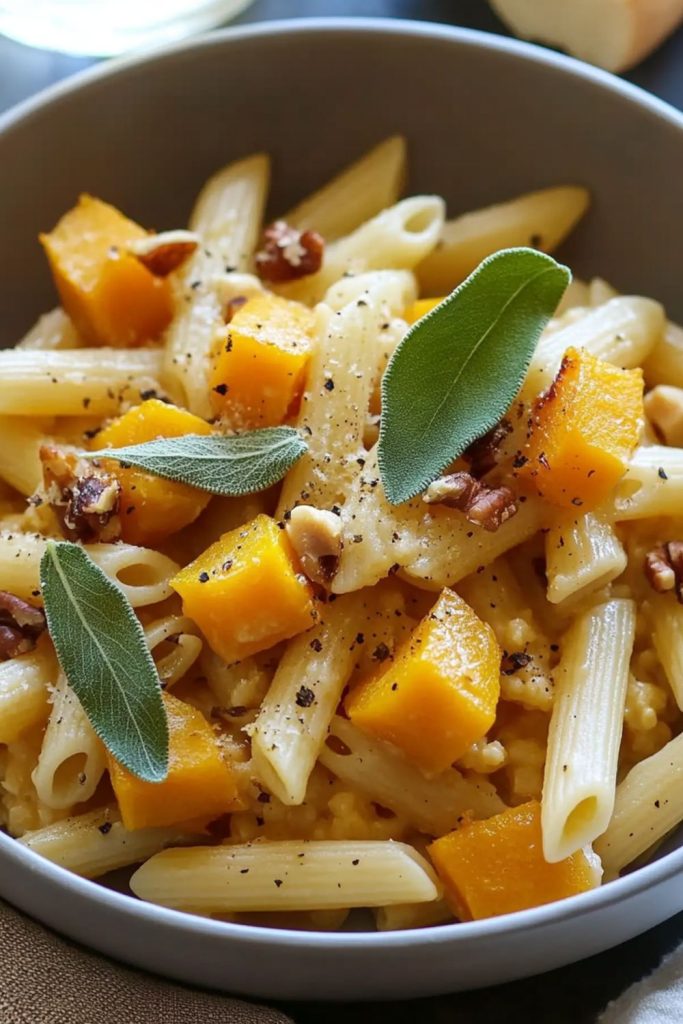
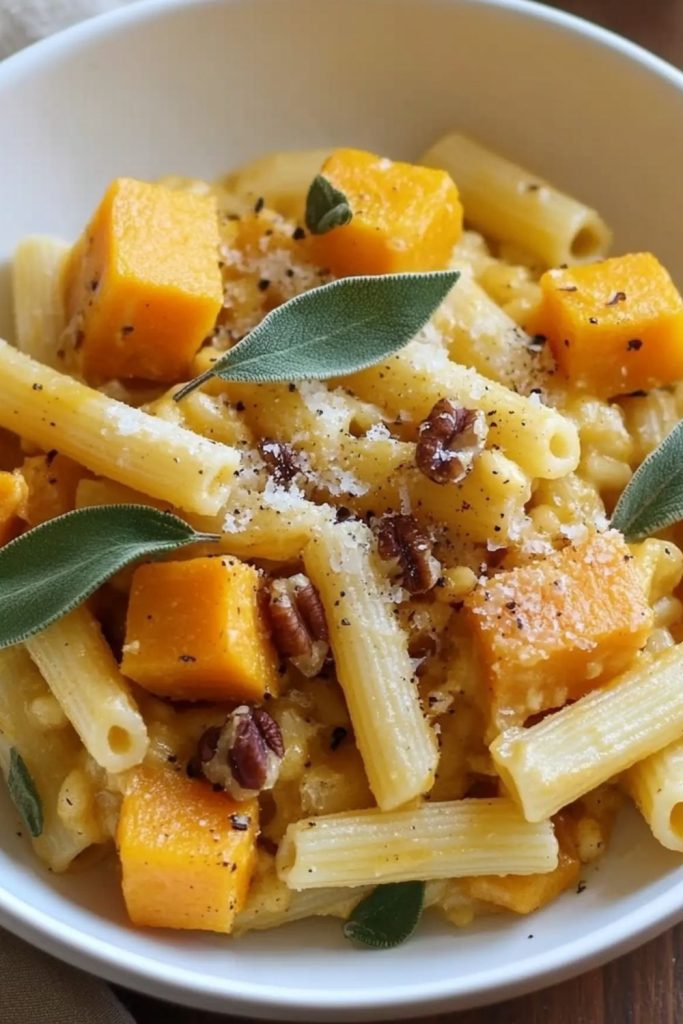
Butternut Squash Pastasotto is a delightful fusion dish that combines the creamy richness of risotto with the comforting texture of pasta. Imagine tender, caramelized cubes of butternut squash, enveloped in a luscious sauce made from white wine, butter, and Parmesan, topped off with crispy fried sage. This dish is a perfect balance of savory flavors and creamy textures, making it an irresistible choice for any meal.
Why You’ll Love This Recipe:
This Butternut Squash Pastasotto is a delightful twist on traditional risotto, combining the creamy comfort of pasta with the rich, nutty sweetness of butternut squash. Its luscious texture, thanks to the deliberate stirring process, paired with aromatic herbs like rosemary and sage, creates an irresistible dish perfect for cozy dinners. The versatility of using either chicken or vegetable broth makes it suitable for various dietary needs. Plus, the caramelized cubes of butternut squash add a delightful contrast in each bite. Whether you’re cooking for family or entertaining guests, this recipe is sure to impress and become a new favorite.
Ingredients in Butternut Squash Pastasotto:
- Butternut Squash: The star ingredient, providing a creamy texture and rich, sweet flavor.
- Pasta: Acts as the grain-like base, absorbing all the delicious flavors.
- Chicken or Vegetable Broth: Adds depth and enhances the overall taste.
- White Wine: Lends a hint of acidity to balance the sweetness of the squash.
- Butter: Ensures a creamy and luxurious finish.
- Parmesan Cheese: Adds a salty umami kick, elevating the dish.
- Onion: Brings a subtle sweetness and aromatic base.
- Garlic: Infuses the dish with a warm, savory flavor.
- Fresh Sage: Perfect for a touch of earthiness and a fragrant aroma.
- Salt and Pepper: Essential seasonings to taste.
Step-by-Step Instructions on Butternut Squash Pastasotto:
- Prep butternut squash: Peel, cube, and remove seeds and stringy flesh from the squash. Set aside.
- Roast the squash: Toss cubes in olive oil, salt, and pepper. Roast until caramelized and tender.
- Sauté aromatics: Cook onions and garlic in butter until translucent and fragrant but not browned.
- Add pasta: Stir in uncooked pasta, coating it with the butter and aromatic mixture.
- Deglaze with wine: Pour in white wine, stirring until it’s mostly absorbed by the pasta.
- Add broth in increments: Gradually add warm broth, stirring continuously until each addition is absorbed.
- Stir frequently: Consistently stir to prevent sticking and ensure even cooking of the pasta.
- Incorporate butternut squash: Fold roasted squash cubes into the pastasotto mixture, distributing them evenly.
- Add herbs: Mix in chopped rosemary and sage for aromatic flavors and a touch of earthiness.
- Finish with cheese: Stir in grated Parmesan until melted and creamy, enriching the dish’s texture.
- Season to taste: Adjust seasoning with salt and pepper as needed, based on personal preference.
- Serve warm: Dish up the pastasotto while hot, garnishing with extra herbs and cheese if desired.
Cooking Tips:
- Use Fresh Butternut Squash: Fresh squash yields better flavor and texture than frozen or pre-cut options.
- Consistent Cube Sizes: Cutting squash into uniform cubes ensures even cooking and a balanced dish.
- Warm the Broth: Keeping broth warm helps maintain a steady cooking temperature for the pasta.
- Use Arborio Rice: This rice variety is ideal for achieving the creamy texture of traditional risotto.
- Season Gradually: Add salt in stages to avoid over-seasoning and to gradually build flavor.
Cooking Techniques:
- Sautéing: Cooking food quickly in a minimal amount of oil over medium-high heat.
- Roasting: Cooking food in an oven using dry heat for a caramelized exterior.
- Simmering: Cooking just below boiling point for gentle heat distribution and flavor infusion.
- Steaming: Using water vapor to cook food, preserving nutrients and flavors.
- Blanching: Quickly boiling food then plunging it into ice water to halt cooking.
What To Serve with Butternut Squash Pastasotto:
- Mixed green salad with a light vinaigrette
- Grilled or roasted chicken breast
- Pan-seared pork chops
- Steamed or roasted vegetables, such as asparagus or green beans
- Garlic bread or crusty artisan bread
- Roasted salmon fillet
- Brussels sprouts sautéed with bacon
- Cheesy garlic breadsticks
- Simple tomato and cucumber salad
- Steamed broccoli with lemon zest
Variations and substitutions for the Butternut Squash Pastasotto:
- Protein Boost: Add cooked chicken, shrimp, or chickpeas.
- Vegetarian Option: Use vegetable broth instead of chicken broth.
- Dairy-Free: Substitute Parmesan with nutritional yeast.
- Vegan: Replace butter with olive oil or a plant-based alternative.
- Spice it Up: Include a pinch of cayenne pepper or red pepper flakes.
- Herb Variation: Swap sage and rosemary for thyme or oregano.
- Grain Alternative: Try quinoa or farro instead of pasta.
Health Benefits of Butternut Squash Pastasotto:
- Rich in Vitamins and Minerals: Butternut squash is packed with vitamins A, C, and E, and important minerals like potassium and magnesium.
- High in Fiber: Aiding in digestion and maintaining a healthy gut.
- Boosts Immunity: Thanks to its high content of beta-carotene and vitamin C.
- Low in Calories: Allowing for a nutritious yet light meal option.
- Antioxidant Properties: Helps fight inflammation and oxidative stress.
- Supports Eye Health: Due to the presence of vitamin A and beta-carotene.
Storing Tips:

- Cool Down First: Allow the pastasotto to cool to room temperature before storing.
- Airtight Containers: Use airtight containers to keep the pastasotto fresh for longer.
- Label & Date: Label the container with the date to keep track of freshness.
- Refrigerate: Store in the refrigerator for up to 3-4 days for best quality.
- Portion Sizes: Divide into single servings for quick and easy reheating.
- Freeze for Later: Freeze portions in freezer-safe bags or containers for up to 2 months.
- Reheat Gently: Reheat gently on the stove or in the microwave to avoid drying out.
- Add Liquid: Add a splash of broth when reheating to restore creamy texture.
- No Overcrowding: Avoid overcrowding containers to maintain texture and quality.
- Use Within Time: Consume within the recommended storage time for best taste and safety.
Conclusion:
Butternut Squash Pastasotto is a delightful fusion that’s sure to become a favorite at your table. Whether you’re looking for a comforting dish on a cool evening or a distinctive side for a special occasion, this recipe delivers. Its creamy texture, paired with rich, hearty flavors, makes it a standout meal. Plus, it’s versatile and nutritious, packed with vitamins and fiber. Store leftovers easily for a quick and satisfying meal later. Dive into this pastasotto and enjoy the delicious journey it promises. Give it a try and discover for yourself the magic of this unique dish!
FAQs:
Yes, any small pasta works well.
Yes, it’s completely vegetarian-friendly.
Takes approximately 30 minutes to cook.
Yes, reheats well for leftovers.
Try thyme or rosemary instead.
Yes, freezes well for up to three months.
Yes, peel squash for best texture.
- 0 Facebook
- 19 Pinterest
- 0 Email
- Copy Link
- 19 shares
Butternut Squash Pastasotto: A Comforting Fall Recipe You Need to Try
Ingredients
Instructions
Preheat oven to 425 degrees F.
Toss squash with oil, salt, and pepper on baking sheet.
Bake until tender and golden brown, about 30 minutes.
Heat butter and oil in heavy-bottom pot over medium-high heat.
Fry whole sage leaves until crispy, about 3 minutes.
Remove sage with tongs to paper towel-lined plate.
Add onion to pot, cooking until tender and fragrant, 3-5 minutes.
Stir in pasta to coat with butter and onions.
Toast pasta, stirring frequently, until golden brown, about 4 minutes.
Pour in wine, cook until liquid absorbed, about 5 minutes.
Add 1 cup broth, cooking until absorbed, about 5 minutes.
Repeat with remaining broth until pasta is al dente.
Fold in squash, sage, Parmesan, salt, and pepper.
Stir until combined and creamy.
Garnish with fried sage leaves and walnuts if desired.