- 0 Facebook
- 69 Pinterest
- 0 Email
- Copy Link
- 69 shares
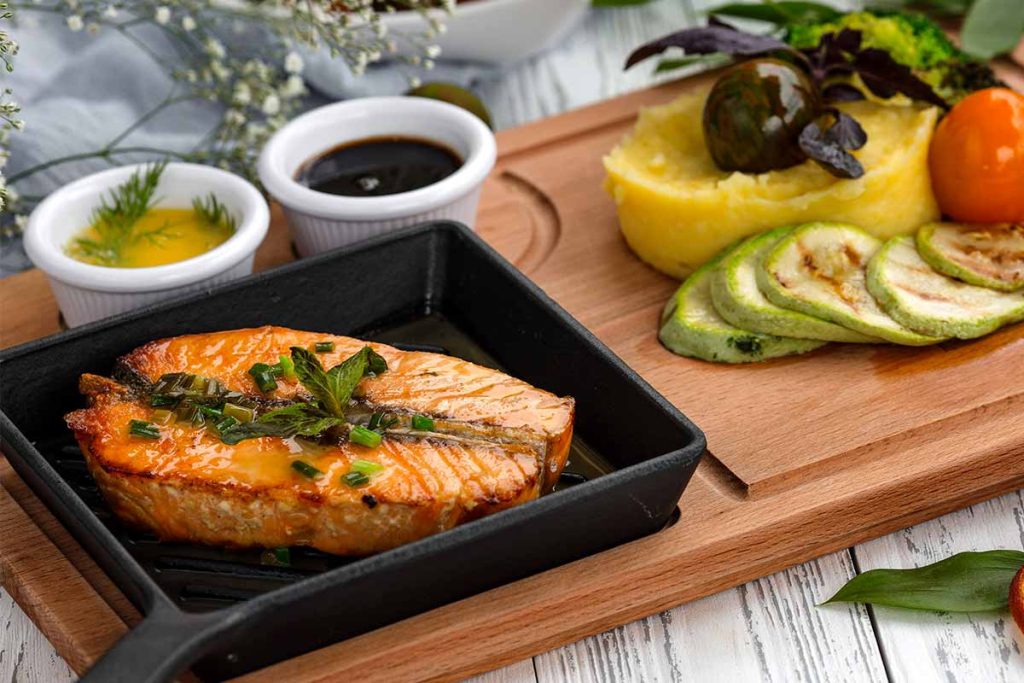
If you’ve ever wondered how to cook a salmon steak , you’ve come to the perfect place! This robustly flavored fish is both lean and fresh, packed with healthy fats like omega-3. However, cooking it to perfection might seem daunting, especially if you’re new to the kitchen. Don’t fret! Our engaging guide ensures you whip up a salmon steak with the ease and aplomb of a seasoned chef. Whether you’re planning a weekday dinner or a fancy fare for guests, salmon steak is an excellent choice. Get ready to explore the culinary world of this much-loved fish.
What is a Salmon Steak ?
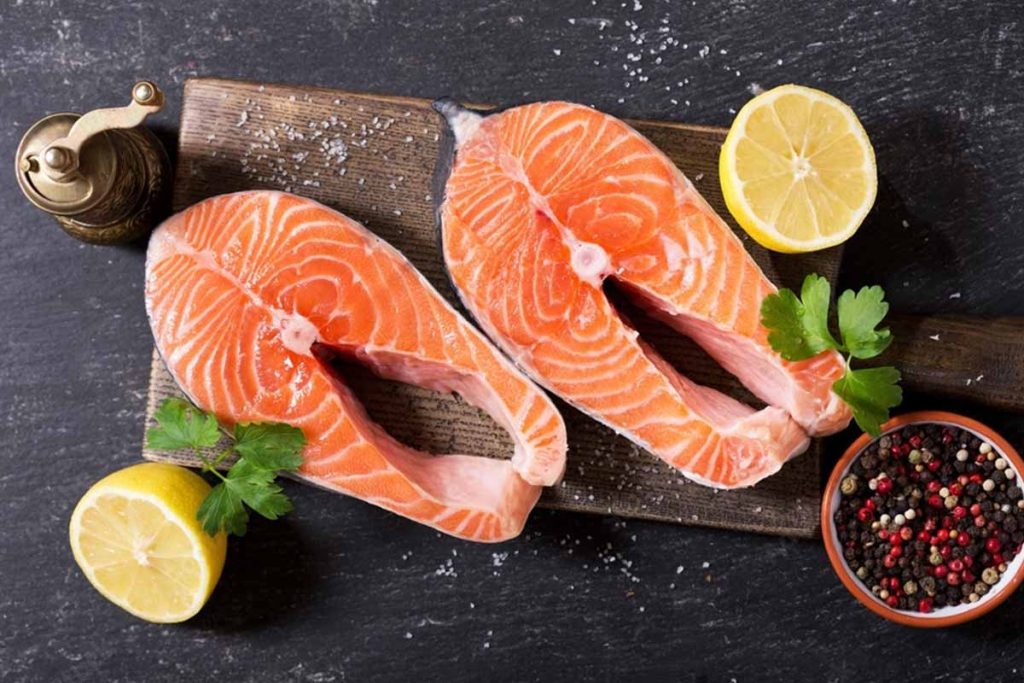
A salmon steak, unlike its fillet counterpart, is a chunky piece of fish cut perpendicular to the spine. This gives it a distinctive ‘steak’ shape and usually includes a section of the backbone. With its rich flavor, meaty texture, and the skin, it’s a star performer on the grill. The very structure of a salmon steak allows it to hold more flavor and stay together while cooking, making it the perfect choice for grilling.
Why You’ll Love This Salmon Steak:
There’s quite a lot to love about this salmon steak recipe, and we’re sure you’ll agree once you’ve given it a try. For starters, it’s incredibly easy to prepare and requires just a few ingredients. It also takes less than 15 minutes to cook, making it a speedy option for those busy weeknights. The method of grilling gives the salmon a robust, charred flavor while preserving the tender, moist interior. Finally, using thick center-cut salmon steaks not only provides a substantial serving but also ensures perfect searing on the outside without overcooking the inside. We’re confident this recipe will soon become a staple in your kitchen.
Ingredients in a Salmon Steak :
- Salmon Steaks: Centre-cut, skin-on salmon fillets hold the flavour and maintain texture while cooking.
- Vegetable/Canola Oil: It aids in grilling the steaks and prevents them from sticking onto the grill.
- Kosher Salt: It provides the basic seasoning required for the salmon steak.
- Black Pepper: Optionally, freshly ground black pepper adds a hint of spice and uplifts the taste of the salmon.
- Stone Ground Mustard: It provides a tangy twist and binds other flavours together.
- Greek Yogurt: Contributes towards making a creamy sauce that goes well with the grilled steaks.
- Chives: Gives a mild, onion-like flavor to the dish, enhancing its overall taste.
- Honey: It sweetens the dish and caramelizes during grilling to give a lovely glaze.
- Lemon Juice: It serves to balance the richness by adding a fresh and bright note to the dish.
- Butter: It adds a rich and velvety consistency to your salmon steaks. It can be used as an alternative to oil.
- Olive Oil: Adds a subtle, fruity flavor while helping to keep the steaks moist and prevent sticking.
Step-by-Step Instructions on How To Cook a Salmon Steak :
1. Start by gathering your ingredients: four center-cut, skin-on salmon steaks, neutral oil, kosher salt, and optional black pepper.
2. Preheat your grill. While you’re waiting, lightly oil your salmon steaks to prevent them from sticking to the grill.
3. Season your salmon steaks with kosher salt and a bit of freshly ground black pepper, if desired, for extra flavor.
4. Place your salmon steaks on the grill, but avoid direct heat. Instead, aim for a spot where the heat is indirect.
5. Close the grill lid. This helps to ensure an even cooking process and imparts a delightful smoky flavor to your steaks.
6. After about five minutes, flip your salmon steaks for another five minutes. This gives your steaks beautiful grill marks on both sides.
7. Verify the doneness of your salmon steaks. The inside should be moist and slightly pink.
8. Once they’re cooked to your liking, remove your salmon steaks from the grill and let them rest for a few minutes before serving. Enjoy!
Cooking Tips:
- Carving Tools: Use a carving fork or culinary tweezers to avoid skin damage while flipping.
- Monitor Temperature: Keep an eye on the internal temperature for optimal doneness.
- Non-Direct Heat: Avoid grilling directly over fire; employ indirect heat and the grill lid.
- Grill Management: Move salmon to a cooler part of the grill to prevent burning.
- Keeping it Dry: Pat the salmon dry before grilling for better texture and grill marks.
- Partial Grilling: Remove the salmon slightly before complete doneness; it will continue to cook while cooling.
- Right Cooking Time: Grill your salmon steak for 6 to 10 minutes to avoid overcooking.
Cooking Techniques:
- Indirect grilling : This technique involves grilling away from direct heat, which ensures even, slow cooking.
- Using a grill pan : Grill pans are perfect for indoor use and provide consistent heat distribution.
- Utilizing flavored oil : Brush the salmon lightly with oil to prevent sticking and add flavor.
- Utilizing a Carving fork : A carving fork helps to secure the fish when flipping, reducing tearing.
- Application of different spices : Make use of diverse spices to enhance the taste of the steak.
- Monitoring internal temperatures : Use a food thermometer to ensure the fish is cooked to 145F.
- Resting the fish : Allow the salmon to rest after grilling to redistribute juices and maintain moisture.
What To Serve with a Salmon Steak :
Loving your Salmon steak already? Let’s up the game by pairing it with some delightful side dishes. All you need now are matching accompaniments that can accentuate the mild, buttery essence of the salmon steak.
- Grilled Asparagus: Grilled asparagus, with its intense flavors and crunchy texture, complements the salmon steak wonderfully.
- Creamy Mashed Potatoes: A classic side dish that is every bit as indulgent and rich as the salmon steak itself. The creamy consistency complements the firm texture of the steaks.
- Fresh Garden Salad: The fresh and crisp notes of a garden salad provide a nice light counterpoint to the richness of salmon.
- Roasted Vegetables: A medley of roasted veggies seasoned with simple herbs offers a flavorful and nutritious side dish.
- Herbed Quinoa: For those looking for a healthier and more contemporary option, herbed quinoa fits the bill. This protein-rich side helps to balance the meal.
- Pasta Aglio e Olio: This simple Italian pasta dish tastes amazing when served alongside salmon steaks. Garlic, olive oil, and chilli flakes bring a burst of flavor.
Variations and substitutions for the Salmon Steak :
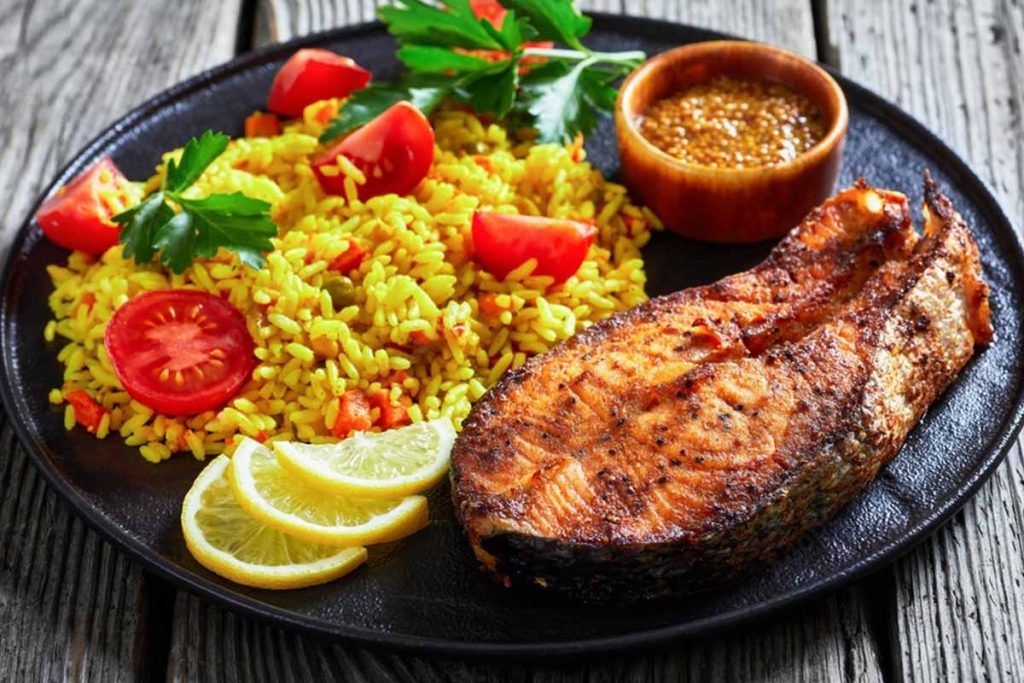
Feel free to experiment! Use a salmon filet instead of a steak, just note the cooking time could vary. Swap neutral oil (like vegetable or canola) with olive oil for a different flavor profile. How about chicken or seafood seasoning in place of salt and black pepper? Add a tangy twist with a marinade using Italian dressing instead of plain oil. Consider flavor-infused oils like garlic or chilli for a hint of extra spice. And if you don’t have a grill, don’t worry. Pan-seared or broiled salmon works just as well, maintaining a crispy exterior and tender inside.
Health benefits of Salmon Steak:
Salmon steak not only brings forth a delightful flavor but also serves up a wealth of health advantages. Being rich in protein, it supports tissue repair and promotes muscle growth. Its significant Omega-3 fatty acid content enhances cognitive functioning and fosters heart health. Additionally, salmon’s inherent supply of Vitamin D aids in absorbing calcium and, thus, strengthens bones. With its considerable B-vitamin profile, it boosts energy, improves cell functioning, and encourages DNA formation. Plus, the iodine contained in salmon fortifies thyroid health. Incorporating this nutritious fish into your diet can contribute to overall health enrichment.
Storing Tips:
- Wrap salmon steaks in cling film to prevent drying out while refrigerated.
- Always store salmon steaks in the coldest part of your fridge for freshness.
- Freeze salmon steaks if you’re not using them within two days of purchase.
- Ensure fish is properly ventilated during storage to prevent spoilage.
- Always store your salmon steaks in airtight containers to maintain quality.
- Defrost frozen salmon steaks safely in the refrigerator , never at room temperature.
- Avoid storing salmon with strong-smelling foods to prevent flavor transfer.
Conclusion:
In conclusion, cooking a flavorful salmon steak doesn’t have to be intimidating. By using bone-in steaks over fillets and incorporating a tasty mayonnaise-mustard mixture before grilling, you can prevent the salmon from sticking to the grill. Aim for a final cooked temperature of at least 145 degrees Fahrenheit to ensure it’s done. Serving your salmon steak on a bed of spinach with a squeeze of lemon juice not only adds more depth to the flavor but also provides a visually pleasing dish. It’s quick, easy and delicious – perfect for any weekday meal or special occasion.
FAQs:
A1: Wild-caught salmon is highly recommended for better quality.
A2: Always purchase from a trusted fishmonger for fresh fish.
A3: Yes, keeping the skin on prevents the fish from sticking.
A4: Direct heat can burn the fish before it’s thoroughly cooked.
A5: Yes, using a grill pan, you can cook indoors.
A6: It keeps the fish moist and prevents it from sticking.
A7: Freshly ground pepper, sea salt, and herbs are recommended.
- 0 Facebook
- 69 Pinterest
- 0 Email
- Copy Link
- 69 shares
How To Cook A Salmon Steak?
Ingredients
Instructions
Step 1: Season salmon on both sides with salt pepper. Heat skillet.
Step 2: In a heated skillet, add oil and butter. Cook salmon briefly.
Step 3: Once the salmon’s bottom shows gold, make a flip.
Step 4: Follow by adding garlic, lemon juice, honey, and red flakes.
Step 5: Cook till salmon’s done, spoon sauce over, repeat.
Step 6: Before serving, garnish with a dash of parsley.