- 0 Facebook
- 118 Pinterest
- 1 Email
- Copy Link
- 119 shares
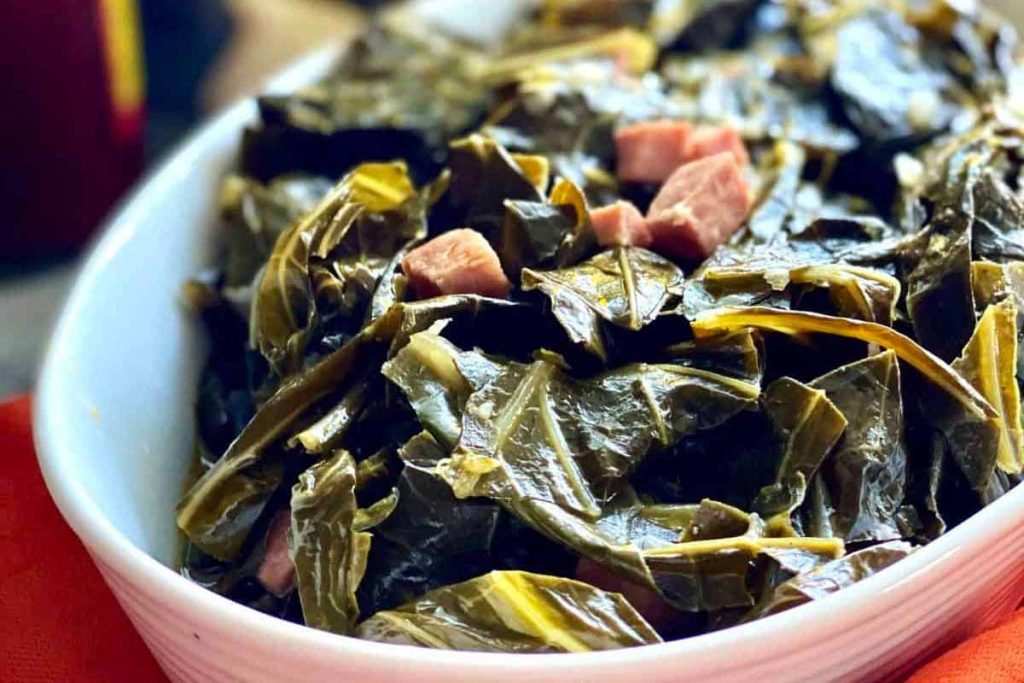
Welcome to your handy guide on everything about Frozen Collard Greens, a nutritious powerhouse full of delectable taste and incredible benefits. This in-depth guide aims to provide all the information you require, from the right ingredients to comprehensive cooking techniques. Featuring all the highs and lows of preparing this southern classic, we’ve even included some valuable tips to store your sumptuous creation. Let’s embark on this gustatory journey together to unveil the secrets of mastering Frozen Collard Greens!
Ingredients in Frozen Collard Greens:
- Fresh Collard Greens: These leafy greens form the crux of this dish, providing nutrient-rich, hearty flavor with every mouthful.
- Water: Essential for blanching the greens, ensuring their texture stays firm yet tender after being frozen.
- Salt: Enhances the natural flavor of the collard greens, a key component during the blanching process.
- Zip-top Freezer Bags: Useful for storing the blanched greens safely in the freezer while maintaining their fresh taste.
How To Cook Frozen Collard Greens:
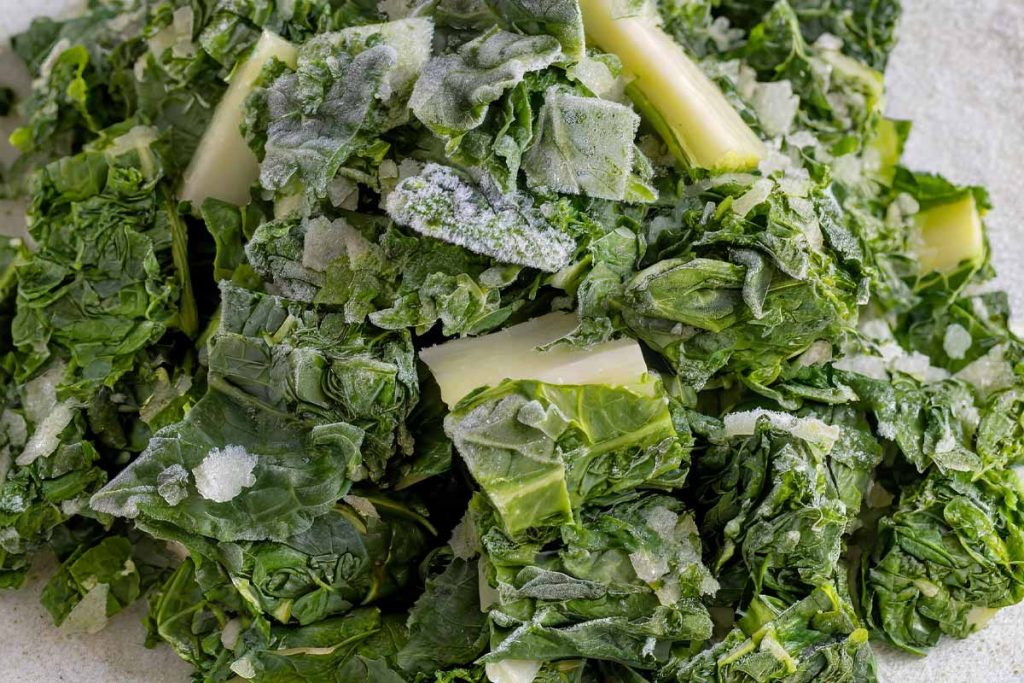
- Purchase a bag or bags of frozen collard greens from your local store.
- Take the frozen collard greens out of the freezer and open the packaging.
- Prepare a sizable pot and fill it with water sufficient to cover the greens.
- Put the pot on the stove and bring the water to a rolling boil.
- Gently add the frozen collard greens to the boiling water in the pot.
- Allow the greens to cook in the boiling water for about 10 minutes.
- Monitor the greens to ensure that they don’t overcook and become too soft.
- Once cooked, strain the greens using a colander to remove all the water.
- Season your collard greens with your favourite spices and a dash of salt.
- Mix the greens thoroughly to distribute the spices across all leaves evenly.
- Taste the greens and adjust the seasoning according to your preferred tastes.
- Once satisfied, transfer your seasoned collard greens to a serving dish.
- Serve while hot with your favourite grain or protein for a complete meal.
Cooking Tips:
- Always preheat your pan before cooking to ensure even heat distribution.
- Season your greens halfway through cooking to develop deeper, savory flavors.
- Stir regularly to avoid sticking and promote even cooking.
- Consider adding low-sodium chicken broth for an extra layer of flavor.
- Add a dash of vinegar for tanginess and to balance the dish’s bitterness.
- Have patience and cook on low heat to maintain nutritional content.
- Feel free to experiment with different spices that suit your taste.
Cooking Techniques:
- Boiling: A rapid cooking method where collard greens are immersed in boiling water.
- Sautéeing: Quick technique that uses high heat and minimal oil to cook greens.
- Blanching: Briefly boil, then quickly cool under cold water to retain vibrancy.
- Simmering: Slow cooking method, at a lower temperature, to soften the greens.
- Braising: Combining sauteéing with simmering, it is ideal for yielding tender and flavorful collard greens.
- Steaming: Gentle, moist-heat technique that keeps the flavor and nutrients intact.
- Roasting: A cooking method that uses dry heat to caramelize and enhance natural flavors.
- Grilling: Outdoor technique that imparts a smoky flavor to the greens.
- Slow cooking: Long-duration cooking method, breaking down tough fibers for tender greens.
- Stir-frying: Fast, high-heat cooking that requires continual stirring to prevent burning.
What To Serve with Frozen Collard Greens :
Frozen collard greens are a versatile side dish that complements a wide range of entrees. While traditionally enjoyed with Southern-style dishes, their earthy flavor and hearty texture can pair well with many food items.
- Smoked Turkey or Ham: These are classic partners for collard greens. The smoke and saltiness of the meat balance out the bitterness in the greens perfectly.
- Cornbread: A slightly sweet and crumbly piece of cornbread can provide an excellent contrast to the earthy collard greens. It can also work to soak up any of the delicious pot liquor left from cooking the collard greens.
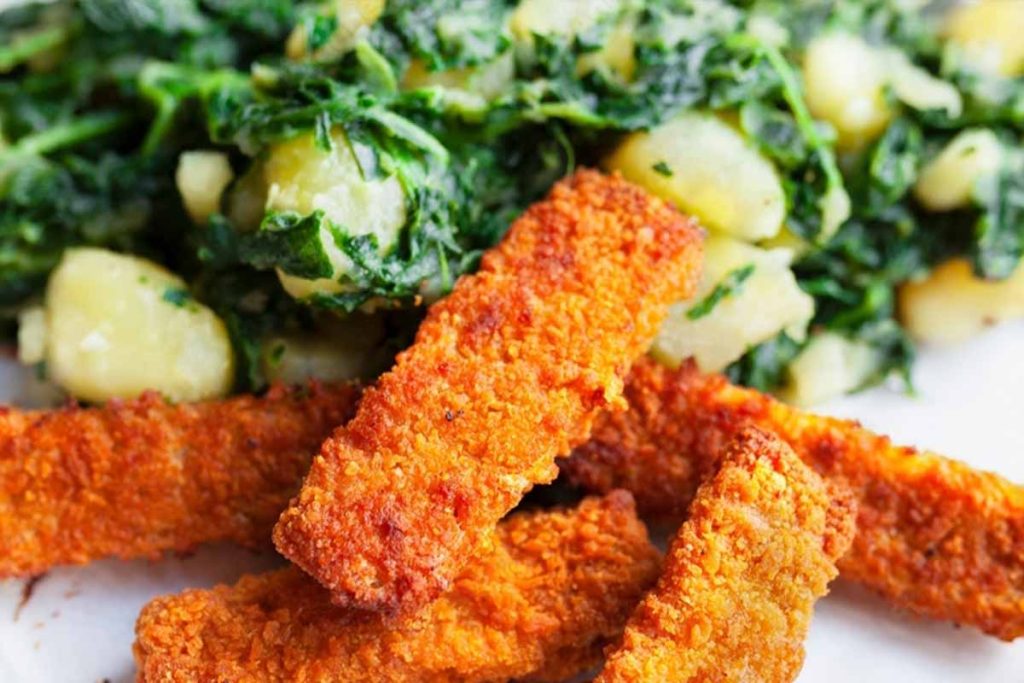
- Grilled Chicken or Fish: The mild flavors of these proteins let the bold taste of collard greens shine. A simple lemon and herb seasoning for the protein can round off this healthy meal.
- Macaroni and Cheese: The creamy, cheesy goodness of this dish goes wonderfully well with the robust flavor of collard greens, creating a comfort food combo that is hard to resist.
- BBQ Ribs or Brisket: The barbecue flavor profile has a unique harmony with collard greens. The smoky and sweet flavors in the meat play off well against the slight bitterness in the collard greens.
- Vegetarian Options: If you’re vegetarian or vegan, don’t worry! You can enjoy your collard greens with grilled tofu, a hearty grain like quinoa or brown rice, or even a mixture of other roasted vegetables.
Storing Tips:
- Freezing: Freeze your collard greens to maintain their nutritional value and fresh flavor.
- Refrigeration: Keep collard greens in your fridge to prolong their shelf-life by a few days.
- Blanching: Blanch greens before freezing to preserve color, taste, and nutritional benefits.
- Vacuum Sealer: Use a vacuum sealer for storing to prevent freezer burn and maintain freshness.
- Airtight Containers: Store in airtight containers to maintain taste and prevent contamination.
- Portioning: Pack in portion sizes for easy thawing and cooking without waste.
Conclusion:
Summing up, mastering the preparation of frozen collard greens can open new avenues in your cooking repertoire. Their nutritional density, versatile flavor, and astonishing convenience make them a sensible selection for any kitchen. Through our step-by-step guide and helpful tips, we’ve shown how easy and rewarding it can be to turn frozen greens into a tasty meal. So, open your freezer, grab those collard greens, and venture on this culinary journey. Remember, practice makes perfect, so don’t get discouraged if the first attempt isn’t perfect. Happy cooking!
FAQs:
Yes, fresh collard greens can be substituted for frozen ones.
When stored correctly, they last three to five days.
Yes, they can be directly cooked from the frozen state.
Some vitamins may be reduced, but a significant reduction is unlikely.
They can definitely add excellent nutrients and taste to smoothies.
Carrots, onions, bell peppers and celery blend well with collards.
Usually not, most frozen collard greens are simply blanched then frozen.
- 0 Facebook
- 118 Pinterest
- 1 Email
- Copy Link
- 119 shares
Frozen Collard Greens
Ingredients
Instructions
Heat oil and butter in a large pot on medium.
Sauté onions and garlic until soft, avoid browning them.
Add frozen collard greens, water, flavor boost, sriracha sauce.
Cover pot, simmer for 6-8 minutes until greens tenderize.
Serve hot, provide extra sriracha sauce on the side.