- 0 Facebook
- 1.8K Pinterest
- 5 Email
- Copy Link
- 1.8K shares
The first time I tasted authentic Navajo cornbread was during a road trip through the Southwest nearly twenty years ago. We had stopped at a small family-owned restaurant just outside the Navajo Nation in Arizona. After one bite of their cornbread—moist, packed with fresh vegetables, and perfectly savory—I knew I had to recreate it at home.
It took several years of experimenting before I finally perfected this recipe. The secret, I discovered, was balancing the sweetness of the cream-style corn with the sharpness of cheddar and the mild heat of green chiles. My family now requests this cornbread for every gathering, and it’s become our go-to side dish for chili nights and holiday meals alike.
What Makes Southwestern Navajo Cornbread Special
- I’ve discovered that the magic of this cornbread lies in the perfect balance between the coarse texture of yellow cornmeal and the creamy moisture from the canned corn. This combination creates a crumb structure that’s both sturdy and tender.
- I love how the cream-style corn serves a dual purpose – it adds natural sweetness while contributing essential moisture that prevents the common cornbread problem of dryness. This is culinary science at work!
- I’ve found that adding vegetables directly to the batter creates pockets of flavor and moisture throughout. The green peppers and onions release their aromatic compounds during baking, infusing every bite with savory depth.
- I can attest that the generous amount of baking powder (a full tablespoon!) creates the perfect rise without making the cornbread too cakey – it’s the secret to that ideal cornbread texture that’s neither too dense nor too fluffy.
- I always appreciate how this recipe bridges cultures – it combines traditional Native American cornmeal preparation with Southwestern flavor profiles in a way that honors both traditions while adding contemporary elements.
Ingredients Notes
- Yellow cornmeal: I always choose stone-ground for its coarser texture and more pronounced corn flavor. It provides the signature gritty crumb that makes authentic cornbread so distinctive.
- All-purpose flour: I prefer unbleached flour for a more natural flavor. It works with the cornmeal to create structure while preventing the bread from becoming too dense or crumbly.
- Baking powder: I’ve found aluminum-free baking powder gives the best rise without any metallic aftertaste. This leavening agent creates those beautiful air pockets throughout the bread.
- Salt: I use kosher salt rather than table salt for better flavor distribution. It enhances the corn flavor while balancing the sweetness from the cream corn.
- Milk: I prefer whole milk for richness, but have successfully used buttermilk for tangier results. The protein contributes to structure while adding necessary moisture to the batter.
- Eggs: I always use room-temperature eggs, which incorporate more evenly into the batter. They provide binding, structure, and richness that helps create that perfect tender crumb.
- Vegetable oil: I sometimes substitute melted butter for deeper flavor. Unlike butter, oil creates a moister texture that stays tender for days, not just when fresh from the oven .
- Canned cream-style corn: I never substitute fresh corn here! The creamy starch suspension in canned cream corn creates unmatched moisture and sweetness throughout the bread. Check labels if dairy-free or low-sugar is important for your dietary needs.
- Shredded cheddar cheese: I grate my own from a block for better melting. Sharp cheddar provides the most flavor contrast, creating pockets of savory richness throughout the cornbread.
- Green bell pepper: I often lightly sauté mine before adding to remove excess moisture and enhance flavor. The subtle sweetness and slight crunch add wonderful textural contrast to each bite.
- Onion: I prefer sweet varieties like Vidalia for their milder flavor. Finely chopping ensures they’ll cook through completely, providing aromatic depth without overwhelming texture.
- Diced green chiles: I drain these well before adding. They introduce a gentle heat that complements the corn’s sweetness without overwhelming the palate – worth including for authentic Southwestern flavor!
How to Make Navajo Cornbread
Preparation
- Preheat your oven to 400°F (200°C) . Position a rack in the center of the oven . This higher temperature creates the perfect golden crust while ensuring the interior stays moist. If using a glass baking dish , reduce temperature to 375°F to prevent overbrowning.
- Prepare your baking dish by generously greasing a 9×9-inch square baking pan or a 10-inch cast iron skillet . For an authentic touch, place your cast iron skillet in the oven while it preheats to create a sizzling surface when the batter hits it.
Prepare the Vegetables
- Dice your green bell pepper and onion into small, uniform pieces about ¼-inch in size. Consistency in chopping ensures even distribution and proper cooking throughout the cornbread.
- Optional but recommended: Sauté the vegetables. For enhanced flavor and to reduce excess moisture, quickly sauté the diced bell pepper and onion in 1 teaspoon of oil for 2-3 minutes until just softened. Allow to cool slightly before adding to batter.
- Drain the green chiles (if using) in a small strainer, pressing gently with a spoon to remove excess moisture. This prevents your cornbread from becoming soggy.
Mix the Dry Ingredients
- In a large bowl, whisk together the cornmeal, flour, baking powder, and salt until evenly combined. Look for a uniform color throughout the mixture with no visible streaks of individual ingredients.
Combine the Wet Ingredients
- In a separate medium bowl, beat the eggs until they’re frothy and light yellow, about 30 seconds.
- Add the milk and vegetable oil to the beaten eggs , whisking until the mixture is well combined and slightly emulsified.
- Fold in the cream-style corn with a rubber spatula, maintaining its texture rather than breaking it down completely. You should see distinct bits of corn suspended in the wet mixture.
Create the Batter
- Pour the wet ingredients into the dry ingredients and stir gently with a wooden spoon or rubber spatula. Mix just until no dry streaks remain – about 10-15 strokes. The batter will look lumpy; overmixing will result in a tough cornbread.
- Fold in the shredded cheese, prepared bell pepper, onion, and green chiles with a few gentle strokes. The batter should look studded with colorful vegetables and cheese throughout.
Bake to Perfection
- Pour the batter into your prepared baking dish or hot skillet . You should hear a slight sizzle if using a preheated skillet . Use your spatula to spread the batter evenly to the edges.
- Bake for 25-30 minutes , or until the top is golden brown and a toothpick inserted into the center comes out clean with a few moist crumbs (but not wet batter). The cornbread should have risen noticeably, with a slightly domed top that springs back when lightly touched. Check at the 23-minute mark if using a preheated cast iron skillet , as it may bake slightly faster.
Finishing Touches
- Allow the cornbread to cool in the pan for 10 minutes before slicing. This resting period allows the internal structure to set properly.
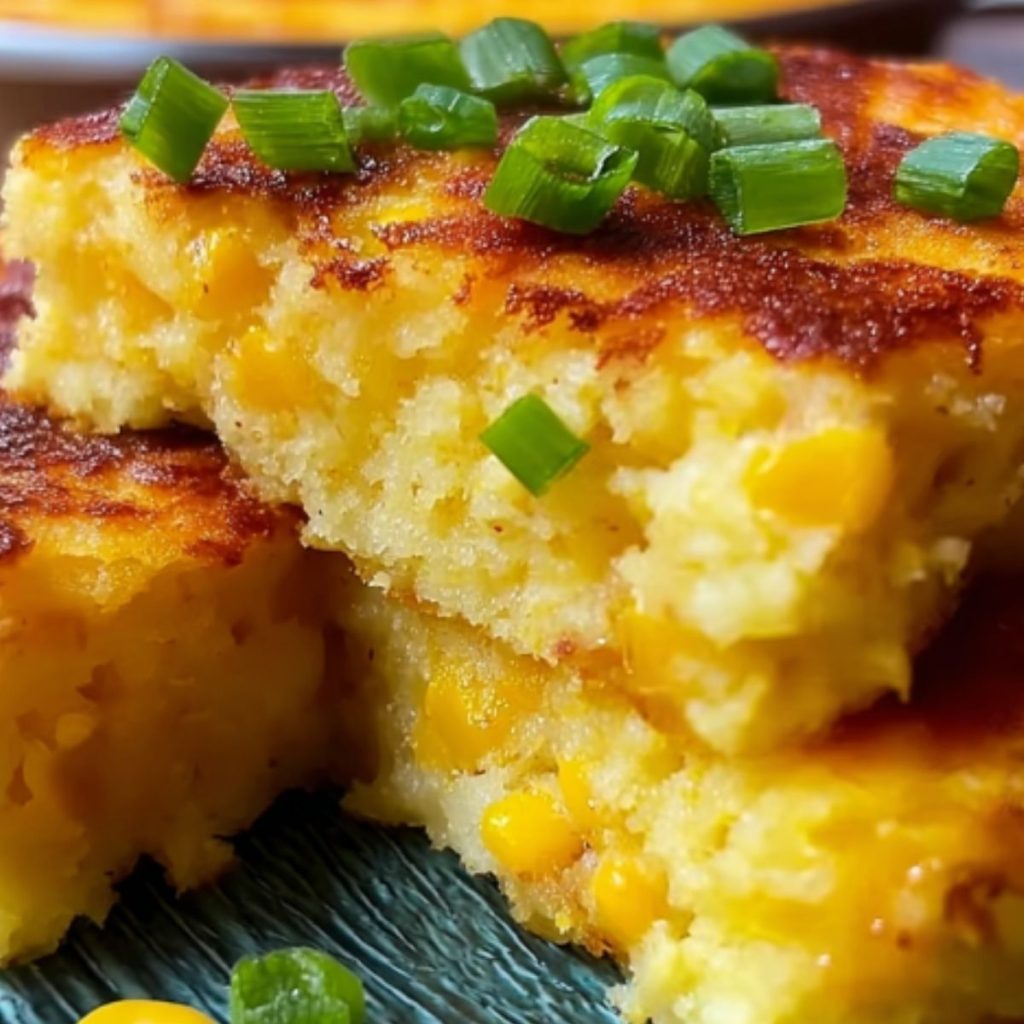
- Cut into squares or wedges and serve while still warm. The ideal slice should hold together well while remaining tender, with visible flecks of vegetables and pockets of melted cheese throughout.
Expert Tips for Perfect Navajo Cornbread
- Use a cast iron skillet for the best crust. I always preheat mine for 10 minutes before adding batter. The hot surface creates that signature crispy edge while keeping the interior moist.
- Sauté vegetables briefly before adding. Cooking onions and peppers for 2-3 minutes removes excess moisture and enhances their flavor without making them completely soft.
- Test your baking powder’s freshness by dropping a teaspoon in warm water—it should fizz vigorously. Old baking powder is the main culprit behind flat, dense cornbread.
- Don’t refrigerate your cornbread batter while waiting to bake. The baking powder activates immediately when wet, and delaying baking will result in less rise.
- I brush the top with honey butter (equal parts melted butter and honey) during the last 5 minutes of baking for an irresistible golden finish and subtle sweetness.
Storage Tips for Navajo Cornbread
- Cool completely before storing. Allow cornbread to reach room temperature before covering to prevent condensation, which leads to sogginess.
- Room temperature storage: Keep in an airtight container for up to 2 days. This preserves moisture without refrigeration’s drying effect.
- Refrigerate properly. Wrap individual pieces in plastic wrap, then place in an airtight container for up to 5 days. This double-protection prevents absorption of refrigerator odors.
- Freeze for longevity. Wrap individual portions in plastic wrap, then aluminum foil, and freeze for up to 3 months. Label with the date to track freshness.
- Prevent freezer burn by ensuring cornbread is completely cool before freezing and eliminating as much air as possible from packaging.
- Thaw frozen cornbread overnight in the refrigerator , not at room temperature, to maintain food safety and prevent texture degradation.
- Oven reheating: Warm refrigerated pieces at 300°F for 7-10 minutes. For frozen (thawed) pieces, 10-12 minutes. This restores that fresh-baked texture.
- Microwave method: Wrap a slice in a damp paper towel and heat for 20-30 seconds. The moisture prevents drying while heating.
- Enhance reheated cornbread by brushing with melted butter after warming to restore moisture and add a fresh-baked flavor profile.
Variations and Substitutions for Navajo Cornbread
Dietary Adaptations
• Gluten-Free Option: Replace all-purpose flour with a 1:1 gluten-free flour blend. Add 1/4 teaspoon xanthan gum if your blend doesn’t include it to maintain proper structure.
• Dairy-Free Version: Substitute milk with unsweetened almond or oat milk. Replace cheddar cheese with dairy-free shredded cheese alternative. The cornbread will maintain its moisture with these swaps.
• Vegan Adaptation: Replace eggs with 2 flax eggs (2 tablespoons ground flaxseed mixed with 6 tablespoons water, let sit for 5 minutes). Use plant-based milk and vegan cheese alternatives, or omit cheese entirely and increase salt slightly to enhance savory depth.
• Lower Fat Option: Substitute applesauce for half the oil. This maintains moisture while reducing fat content, though the texture becomes slightly more cake-like.
Flavor Variations
• Spicy Southwest: Double the green chiles and add 1 teaspoon ground cumin plus 1/2 teaspoon chipotle powder for smoky heat that complements the corn beautifully.
• Bacon Cheddar: Add 1/2 cup cooked, crumbled bacon to the batter. The smoky, savory notes elevate the cornbread to a hearty meal centerpiece.
• Jalapeño Honey: Replace green chiles with fresh jalapeños and drizzle the finished cornbread with 2 tablespoons warm honey for a sweet-heat contrast.
• Herb Garden: Add 2 tablespoons each of fresh chopped rosemary, thyme, and chives to the batter for an aromatic variation perfect alongside soups.
Ingredient Swaps
• Cornmeal Texture: Use fine-ground cornmeal for a more delicate texture or polenta for a more rustic, toothsome bite.
• Vegetable Variations: Substitute roasted red peppers for green bell peppers, or add corn kernels, diced zucchini, or chopped spinach based on seasonal availability.
• No Cream-Style Corn? Blend 1 cup fresh or frozen corn kernels with 2 tablespoons milk until partially smooth to create a similar texture and moisture.
• Cheese Options: Experiment with pepper jack for heat, smoked gouda for depth, or a Mexican cheese blend for authentic Southwestern flavor.
What to Serve with Navajo Cornbread
Soups & Stews
• Smoky Black Bean Soup: The earthy beans and smoky notes create perfect contrast with the sweet corn kernels, while the cornbread adds necessary textural variety to the meal.
• Roasted Butternut Squash Soup: The squash’s natural sweetness balances the savory elements in the cornbread, creating a satisfying fall pairing that highlights seasonal ingredients.
• Spicy Beef Chili: The heat and depth of a robust chili is cooled by the cornbread’s creamy interior, while the bread’s substantial texture stands up to the hearty stew.
Main Dishes
• Slow-Cooked Pulled Pork: The tender, savory meat benefits from the cornbread’s structured crumb, which soaks up flavorful juices without disintegrating.
• Honey-Glazed Baked Chicken: The subtle sweetness in the glaze echoes the natural sweetness of the corn, while the protein makes the cornbread part of a complete meal.
• Pinto Beans with Green Chile: This traditional Southwestern pairing honors the cornbread’s cultural roots while creating a complete protein when beans and corn combine.
Vegetable Sides
• Southwest Salad: Crisp romaine with black beans, corn, avocado and lime dressing adds fresh contrast to the warm, rich cornbread while enhancing the regional flavor profile.
• Roasted Brussels Sprouts with Bacon: Their caramelized edges and smoky notes complement the cornbread’s savory elements, while adding a different textural dimension to the meal.
• Grilled Summer Squash: The light char brings out the vegetables’ sweetness, mirroring the cornmeal’s toasty notes while adding nutritional balance to the rich bread.
Spreads & Toppings
• Whipped Honey Butter: The aromatic sweetness melts into the warm cornbread, enhancing its natural corn flavor while adding luxurious richness to each bite.
• Jalapeño-Lime Compound Butter: The bright citrus and gentle heat cut through the cornbread’s richness, awakening the palate with each bite for perfect flavor balance.
Frequently Asked Questions about Navajo Cornbread
Ingredients and Substitutions
Q: Can I use blue cornmeal instead of yellow? A: Yes! Blue cornmeal works perfectly and adds authentic Southwestern flair with a slightly nuttier flavor.
Q: Is there a substitute for cream-style corn? A: Blend 1 cup corn kernels with 2 tablespoons milk and 1 teaspoon sugar until partially smooth.
Q: Can I make this without cheese? A: Yes. Omit cheese and add 2 tablespoons butter to maintain moisture and richness.
Q: Can I use almond milk instead of regular milk? A: Unsweetened almond milk works well with no other adjustments needed.
Techniques and Preparation
Q: Why is my cornbread dry? A: Don’t overmix, measure flour correctly, and ensure proper baking time. Overbaking is the main culprit.
Q: How finely should I chop the vegetables? A: About ¼-inch dice ensures they’ll cook through without making the batter too wet.
Q: Do I need to sauté the vegetables first? A: Not necessary, but a quick 2-minute sauté enhances flavor and reduces moisture.
Q: Can I make the batter ahead of time? A: Not recommended. Baking powder activates immediately when wet, reducing rise if you wait.
Baking and Equipment
Q: Can I use a glass baking dish instead of cast iron? A: Yes, but reduce temperature to 375°F and expect a lighter-colored bottom crust.
Q: Why isn’t my cornbread rising properly? A: Check baking powder freshness and avoid overmixing. Don’t refrigerate batter before baking.
Q: How do I know when it’s done baking? A: Toothpick inserted in center comes out with few moist crumbs, not wet batter.
Q: Can I use a muffin tin instead? A: Yes! Fill cups ¾ full and reduce baking time to 15-18 minutes.
- 0 Facebook
- 1.8K Pinterest
- 5 Email
- Copy Link
- 1.8K shares
Navajo Cornbread
Ingredients
Instructions
- Preheat your oven to 400°F (200°C)
. Position a rack in the center of the oven. This higher temperature creates the perfect golden crust while ensuring the interior stays moist. If using a glass baking dish, reduce temperature to 375°F to prevent overbrowning.
- Prepare your baking dish
by generously greasing a 9×9-inch square baking pan or a 10-inch cast iron skillet. For an authentic touch, place your cast iron skillet in the oven while it preheats to create a sizzling surface when the batter hits it.
- Dice your green bell pepper and onion
into small, uniform pieces about ¼-inch in size. Consistency in chopping ensures even distribution and proper cooking throughout the cornbread.
- Optional but recommended: Sauté the vegetables
For enhanced flavor and to reduce excess moisture, quickly sauté the diced bell pepper and onion in 1 teaspoon of oil for 2-3 minutes until just softened. Allow to cool slightly before adding to batter.
- Drain the green chiles
(if using) in a small strainer, pressing gently with a spoon to remove excess moisture. This prevents your cornbread from becoming soggy.
- In a large bowl, whisk together the cornmeal, flour, baking powder, and salt
until evenly combined. Look for a uniform color throughout the mixture with no visible streaks of individual ingredients.
- In a separate medium bowl, beat the eggs
until they’re frothy and light yellow, about 30 seconds.
- Add the milk and vegetable oil to the beaten eggs
, whisking until the mixture is well combined and slightly emulsified.
- Fold in the cream-style corn
with a rubber spatula, maintaining its texture rather than breaking it down completely. You should see distinct bits of corn suspended in the wet mixture.
- Pour the wet ingredients into the dry ingredients
and stir gently with a wooden spoon or rubber spatula. Mix just until no dry streaks remain – about 10-15 strokes. The batter will look lumpy; overmixing will result in a tough cornbread.
- Fold in the shredded cheese, prepared bell pepper, onion, and green chiles
with a few gentle strokes. The batter should look studded with colorful vegetables and cheese throughout.
- Pour the batter into your prepared baking dish or hot skillet
. You should hear a slight sizzle if using a preheated skillet. Use your spatula to spread the batter evenly to the edges.
- Bake for 25-30 minutes
, or until the top is golden brown and a toothpick inserted into the center comes out clean with a few moist crumbs (but not wet batter). The cornbread should have risen noticeably, with a slightly domed top that springs back when lightly touched. Check at the 23-minute mark if using a preheated cast iron skillet, as it may bake slightly faster.
- Allow the cornbread to cool in the pan for 10 minutes
before slicing. This resting period allows the internal structure to set properly.
- Cut into squares or wedges
and serve while still warm. The ideal slice should hold together well while remaining tender, with visible flecks of vegetables and pockets of melted cheese throughout.