- 0 Facebook
- 372 Pinterest
- 122 Email
- Copy Link
- 494 shares
The first time I made this lemon yogurt cake was during a challenging spring when I was searching for recipes that wouldn’t aggravate my sister’s newly discovered gluten sensitivity. After several disappointing attempts at gluten-free baking, this almond flour cake was the breakthrough moment that brought smiles back to our family dessert time.
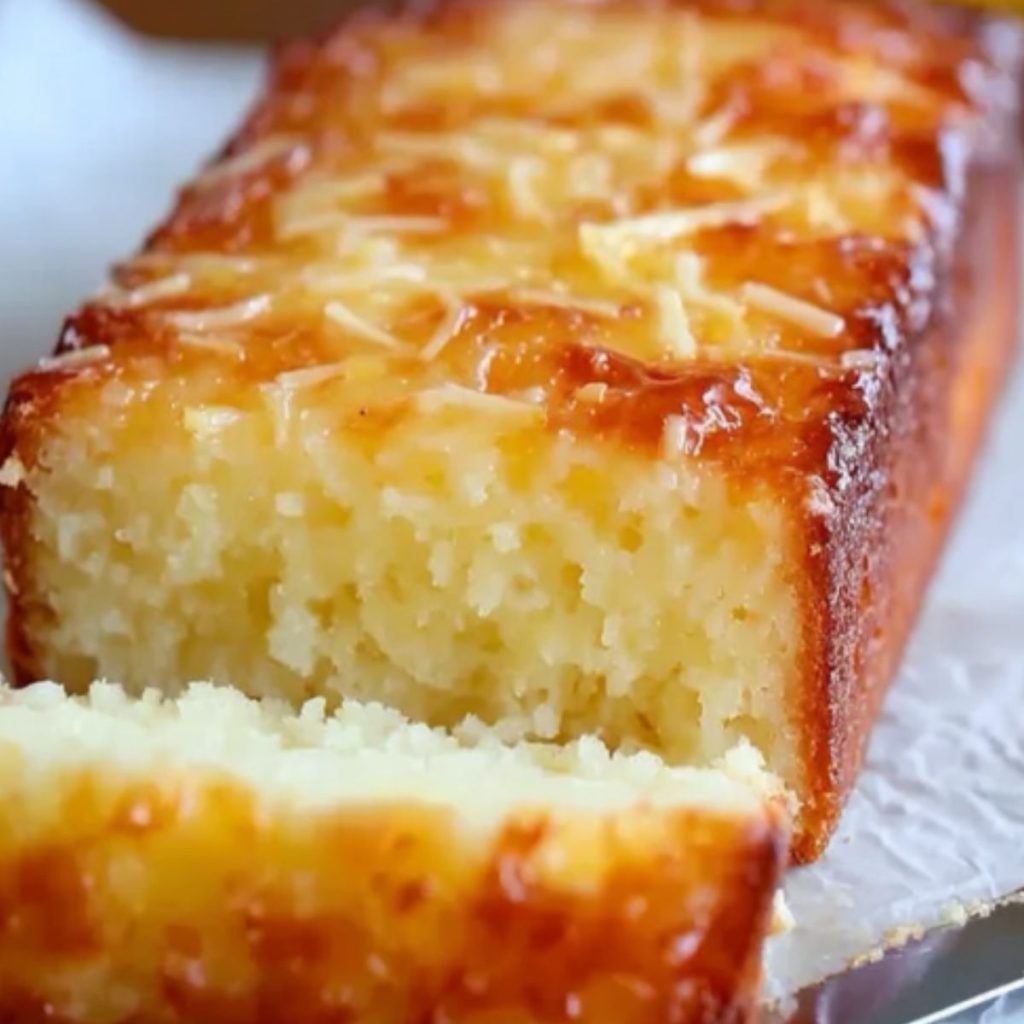
I’ll never forget the afternoon my kitchen filled with the bright, citrusy aroma of fresh lemon zest as I nervously waited by the oven . When I finally sliced into the cake—tender, moist, and perfectly balanced between tangy and sweet—I knew I’d discovered something special.
What Makes Lemon Yogurt Cake (No White Flour) Special
- I’ve discovered that the magic of this cake lies in the perfect marriage between almond flour and Greek yogurt – the almond flour creates a tender, nutty base while the yogurt’s acidity activates the baking powder for a gentle rise without the density often found in gluten-free bakes.
- I’m consistently amazed by how the natural enzymes in honey or maple syrup don’t just sweeten but actually enhance the lemon flavor compounds, creating a more complex taste profile than refined sugar ever could.
- I’ve learned through countless iterations that the zest and juice combination is crucial – the oils in the zest infuse the batter with aromatic compounds while the juice provides the perfect pH balance that reacts with the baking powder for optimal texture.
- I love that this recipe follows the science of emulsion perfectly – the eggs create a stable structure that holds the moisture from the yogurt, resulting in a cake that stays remarkably fresh for days without drying out.
- I’m particularly proud that this cake defies the typical temperature rules – it’s equally delightful served warm with a melting scoop of ice cream or chilled from the refrigerator where the flavors intensify and the texture becomes more decadent.
- I find it incredibly satisfying that both novice bakers and seasoned professionals appreciate this recipe – beginners love the forgiving nature of the simple mixing method, while experienced bakers appreciate the sophisticated flavor balance and health-conscious ingredient list.
Ingredients Notes
- Almond Flour : I insist on finely ground blanched almond flour for its superior texture and subtle flavor. I’ve found storing it in the freezer prevents rancidity and sifting before use eliminates any clumps for a velvety crumb.
- Greek Yogurt: I always choose full-fat Greek yogurt for its structural proteins and tangy depth. I’ve discovered straining it for 30 minutes creates an even richer texture that balances the bright lemon perfectly.
- Eggs: I prefer room-temperature, pasture-raised eggs as they incorporate more air when whisked. I’ve learned that the lecithin in the yolks creates a stable emulsion that gives this cake its tender, moist structure.
- Honey/Maple Syrup: I rotate between the floral notes of raw honey and the complexity of grade B maple syrup depending on my mood. I’ve found warming either slightly helps them incorporate more smoothly.
- Lemon Zest: I only use organic lemons and zest them with a microplane just before mixing. I’ve noticed rubbing the zest into the sugar or sweetener releases essential oils that amplify the citrus aroma tenfold.
- Lemon Juice: I always juice my lemons after zesting and strain out the seeds. I’ve learned that the acidity not only brightens flavor but also reacts with the baking powder to create a delicate rise.
- Vanilla Extract: I splurge on Madagascar bourbon vanilla for its complex, floral notes. I’ve discovered adding it after the lemon juice prevents the acidity from dampening vanilla’s aromatic compounds.
- Baking Powder: I test my baking powder’s freshness before each use with hot water. I’ve found aluminum-free varieties eliminate any metallic aftertaste that might compete with the delicate lemon notes.
- Salt: I use fine sea salt rather than table salt for its clean flavor profile. I’ve learned that salt doesn’t just balance sweetness—it actually enhances our perception of the lemon’s brightness.
How to Make Lemon Yogurt Cake (No White Flour)
Preparation
- Preheat your oven to 350°F (175°C). Position a rack in the center of the oven for even heat distribution.
- Prepare an 8-inch round cake pan by lining the bottom with parchment paper and lightly greasing the sides with olive oil or coconut oil.
Mixing the Wet Ingredients
- In a large bowl, whisk the eggs until they become pale and slightly frothy, about 30 seconds. The increased volume will help create a lighter texture in this flourless cake.
- Add the honey or maple syrup to the eggs and whisk until well combined. The mixture should appear glossy and slightly thickened.
- Gently fold in the Greek yogurt using a silicone spatula until fully incorporated. The mixture will be smooth but thick.
- Add the lemon juice, lemon zest, and vanilla extract. Stir until evenly distributed. You should notice a fragrant citrus aroma developing.
Combining the Dry Ingredients
- In a separate bowl, whisk together the almond flour , baking powder, and salt until no lumps remain. This ensures even leavening throughout the cake.
Creating the Batter
- Gradually add the dry ingredients to the wet mixture, folding gently with a spatula rather than stirring vigorously. Mix just until no dry streaks remain and stop immediately once combined. Overmixing will develop the proteins in the almond flour and result in a tough cake.
- Allow the batter to rest for 5 minutes. This gives the almond flour time to absorb some of the moisture, resulting in a more tender crumb.
Baking
- Pour the batter into your prepared pan, using the spatula to spread it evenly to the edges. The surface should be relatively smooth.
- Gently tap the pan on the counter 2-3 times to release any trapped air bubbles.
- Bake for 30-35 minutes, or until the top is golden brown and a toothpick inserted into the center comes out clean with a few moist crumbs.
- The cake is properly baked when the edges have slightly pulled away from the sides of the pan, and the center springs back lightly when touched.
Cooling and Serving
- Allow the cake to cool in the pan for 15 minutes. The cake will continue to set during this time.
- Run a thin knife around the edges to loosen, then carefully invert onto a cooling rack, remove the parchment paper, and flip right-side up.
- Let the cake cool completely before slicing. The texture improves as it cools, becoming more cohesive and moist.
- For the best flavor experience, allow the cake to rest for at least an hour before serving to let the lemon notes fully develop throughout the cake.
Expert Tips for Perfect Lemon Yogurt Cake
Ingredient Preparation
- Room Temperature Ingredients: I always set eggs and yogurt out for 30 minutes before baking. Room temperature ingredients create a smoother emulsion, resulting in a more uniform cake texture and better rise.
Flavor Enhancement
- Enhance Lemon Flavor: Rub the lemon zest directly into your sweetener with your fingertips before adding to the batter. This releases essential oils, intensifying the citrus flavor throughout the cake.
Perfect Baking
- Test for Doneness Properly: Insert a toothpick 1-inch from the center rather than the middle. A perfectly baked almond flour cake should have moist crumbs (not wet batter) as it continues cooking while cooling.
Problem Prevention
- Prevent Browning Too Quickly: If the top browns before the center sets, loosely tent with foil after 20 minutes. This protects the delicate top while allowing the interior to finish baking.
Storage Strategy
- Optimal Storage: Store this cake in an airtight container at room temperature for up to 3 days or refrigerate for a week. I find the lemon flavor actually intensifies on day two!
Storage Tips for Lemon Yogurt Cake (No White Flour)
- Counter Storage: Store completely cooled cake under a cake dome at room temperature for up to 2 days. The almond flour and yogurt keep it moist longer than traditional cakes.
- Refrigeration: Wrap tightly in plastic or store in an airtight container in the refrigerator for up to 1 week. The flavor actually improves after 24 hours as the lemon notes deepen.
- Freezing Whole: Double-wrap the completely cooled cake in plastic wrap, then aluminum foil before freezing for up to 3 months. This double-barrier method prevents moisture loss and freezer burn.
- Freezing Slices: Flash-freeze individual slices on a baking sheet for 2 hours, then transfer to freezer bags with parchment between slices. Perfect for portion control and quick defrosting.
- Thawing & Refreshing: Thaw refrigerated cake at room temperature for 30 minutes. For frozen cake, thaw overnight in the refrigerator . Warm individual slices for 10 seconds in the microwave to revive texture.
- Food Safety: Discard cake if left out longer than 2 days or if you notice any off odors. The yogurt content makes proper storage crucial for food safety.
Variations and Substitutions for Lemon Yogurt Cake (No White Flour)
Dietary Adaptations
- Dairy-Free Option: Replace Greek yogurt with coconut yogurt or unsweetened dairy-free yogurt. The fat content in coconut yogurt maintains moisture while offering a subtle tropical note.
- Egg-Free Version: Substitute eggs with 2 flax eggs (2 tablespoons ground flaxseed mixed with 6 tablespoons water, left to gel for 15 minutes). Baking time may increase by 5-7 minutes.
- Keto-Friendly: Replace honey/maple syrup with a monk fruit sweetener blend (same amount) and add 1 tablespoon more yogurt to maintain moisture.
Flour Variations
- Hazelnut Flour Blend: Substitute up to half the almond flour with hazelnut flour for a deeper, nutty flavor profile that pairs beautifully with lemon.
- Coconut Flour Addition: Replace ¼ cup of almond flour with 2 tablespoons coconut flour for a lighter texture. Add 2 extra tablespoons of yogurt to compensate for coconut flour’s absorbency.
Flavor Twists
- Orange Variation: Substitute orange zest and juice for the lemon. Add ¼ teaspoon cardamom for a sophisticated flavor combination.
- Berry Infusion: Fold in 1 cup of fresh blueberries or raspberries before baking. Toss berries in 1 teaspoon of almond flour first to prevent sinking.
- Lemon-Lavender: Add 1 teaspoon of culinary lavender buds (finely ground) to the dry ingredients for a fragrant, sophisticated flavor profile.
Texture Enhancements
- Poppy Seed Addition: Fold in 1 tablespoon of poppy seeds for classic lemon-poppy flavor and delightful crunch.
- Streusel Topping: Mix ¼ cup almond flour, 2 tablespoons coconut sugar, 2 tablespoons cold butter, and ¼ teaspoon cinnamon. Sprinkle over batter before baking.
- Glazed Finish: Combine ¼ cup powdered monk fruit sweetener with 1-2 tablespoons lemon juice. Drizzle over cooled cake for added sweetness and moisture.
What to Serve with Lemon Yogurt Cake (No White Flour)
- Fresh Berry Compote: A lightly sweetened mixture of seasonal berries creates a vibrant counterpoint to the cake’s lemony notes while adding juicy texture against the moist crumb.
- Lavender-Infused Whipped Cream: The floral undertones of lavender amplify the cake’s citrus brightness while the airy texture of whipped cream provides a luxurious contrast to the dense almond base.
- Earl Grey Tea: The bergamot notes in Earl Grey harmonize with the lemon zest while the tea’s gentle tannins cut through the cake’s richness, cleansing the palate between bites.
- Honey-Roasted Figs: The caramelized sweetness of honey-roasted figs echoes the cake’s natural sweeteners while providing a chewy texture that complements the cake’s tender crumb.
- Lemon Thyme Sorbet: This palate-cleansing accompaniment intensifies the cake’s citrus profile while introducing a refreshing cold element that transforms the dessert into an elegant dinner finale.
- Toasted Coconut Yogurt: The nutty, caramelized notes from toasted coconut complement the almond flour base while the tangy yogurt reinforces the cake’s creamy undertones.
- Espresso: The bitter complexity of a well-pulled espresso creates perfect balance against the cake’s subtle sweetness, while the coffee’s intensity stands up to the bright lemon notes.
Frequently Asked Questions – Lemon Yogurt Cake (No White Flour)
Q: Can I use homemade almond flour? A: Yes, but ensure it’s finely ground and blanched for proper texture. Sift to remove larger pieces.
Q: Why did my cake sink in the middle? A: Likely underbaked. Check oven temperature accuracy and add 5 minutes next time.
Q: How can I make the lemon flavor stronger? A: Double the zest or add 1/4 teaspoon lemon extract. Never increase juice as it affects structure.
Q: Is this cake diabetic-friendly? A: Substitute monk fruit sweetener for honey/maple syrup at 1:1 ratio for lower glycemic impact.
Q: Can I use a different pan size? A: Yes. For loaf pan , increase baking time by 10 minutes. For muffins, reduce by 10 minutes.
Q: Why is my cake crumbly? A: Overmixing, overbaking, or insufficient moisture. Fold gently, check for doneness early, and avoid dry sweeteners.
Q: How to prevent browning too quickly? A: Position rack lower in oven or loosely tent with foil after 15 minutes.
Q: Can I make this vegan? A: Replace eggs with flax eggs and yogurt with coconut yogurt. Structure will be slightly denser.
Q: Will this cake work at high altitude? A: Add 1 tablespoon extra yogurt and reduce baking powder to 3/4 teaspoon.
Q: Can I make this ahead for an event? A: Yes! Flavor improves after 24 hours. Glaze just before serving for freshest appearance..
- 0 Facebook
- 372 Pinterest
- 122 Email
- Copy Link
- 494 shares
Lemon Yogurt Cake (No White Flour)
Ingredients
Instructions
Preheat your oven to 350°F (175°C). Position a rack in the center of the oven for even heat distribution.
Prepare an 8-inch round cake pan by lining the bottom with parchment paper and lightly greasing the sides with olive oil or coconut oil.
In a large bowl, whisk the eggs until they become pale and slightly frothy, about 30 seconds. The increased volume will help create a lighter texture in this flourless cake.
Add the honey or maple syrup to the eggs and whisk until well combined. The mixture should appear glossy and slightly thickened.
Gently fold in the Greek yogurt using a silicone spatula until fully incorporated. The mixture will be smooth but thick.
Add the lemon juice, lemon zest, and vanilla extract. Stir until evenly distributed. You should notice a fragrant citrus aroma developing.
In a separate bowl, whisk together the almond flour, baking powder, and salt until no lumps remain. This ensures even leavening throughout the cake.
Gradually add the dry ingredients to the wet mixture, folding gently with a spatula rather than stirring vigorously. Mix just until no dry streaks remain and stop immediately once combined. Overmixing will develop the proteins in the almond flour and result in a tough cake.
Allow the batter to rest for 5 minutes. This gives the almond flour time to absorb some of the moisture, resulting in a more tender crumb.
Pour the batter into your prepared pan, using the spatula to spread it evenly to the edges. The surface should be relatively smooth.
Gently tap the pan on the counter 2-3 times to release any trapped air bubbles.
Bake for 30-35 minutes, or until the top is golden brown and a toothpick inserted into the center comes out clean with a few moist crumbs.
The cake is properly baked when the edges have slightly pulled away from the sides of the pan, and the center springs back lightly when touched.
Allow the cake to cool in the pan for 15 minutes. The cake will continue to set during this time.
Run a thin knife around the edges to loosen, then carefully invert onto a cooling rack, remove the parchment paper, and flip right-side up.
Let the cake cool completely before slicing. The texture improves as it cools, becoming more cohesive and moist.
For the best flavor experience, allow the cake to rest for at least an hour before serving to let the lemon notes fully develop throughout the cake.