- 0 Facebook
- 10 Pinterest
- 8 Email
- Copy Link
- 18 shares
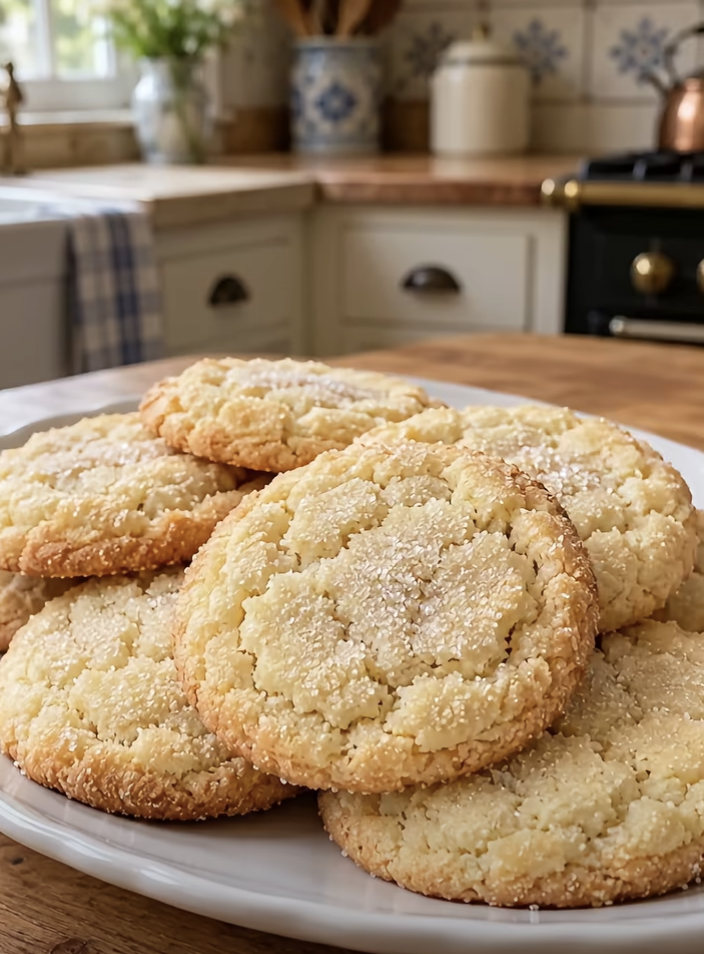
Tender, buttery, and almost melt-in-your-mouth soft, these century-old sugar cookies prove that the simplest recipes often age the best. A creamy mix of butter, oil, and two kinds of sugar comes together in one bowl with an electric mixer, then gets rolled into sugar-dusted balls and baked until just golden at the edges. The result is a sweet, vanilla-kissed cookie that tastes like something from grandma’s kitchen—ideal with a cold glass of milk or a hot mug of coffee.
Tried, Tested, and Totally Worth It
These 100-Year-Old Sugar Cookies That Are Irresistibly Soft have stayed in kitchens for generations for good reason. Here’s what makes them worth baking again and again.
- Melt-in-Your-Mouth Texture : Butter brings rich flavor while vegetable oil keeps the crumb tender, so these cookies stay soft long after they cool.
- Two Sugars, Better Bite : Powdered sugar dissolves into the dough for a fine, delicate crumb, while the granulated sugar coating adds a light sparkle and gentle crunch.
- One Bowl, Little Effort : Just 20 minutes of prep with an electric mixer and a single bowl means fewer dishes and a quick path to warm cookies.
- Cream of Tartar Magic : Paired with baking soda, it adds a subtle tang and lift, helping the cookies puff gently and keep their classic tender chew.
- Freezer-Friendly Convenience : Roll the dough into balls and freeze them unbaked, then bake straight from the freezer with an extra minute or two for fresh cookies anytime.
- Crowd-Pleasing Nostalgia : Vanilla-kissed and sweet but balanced, they win over kids and grandparents alike, making them ideal for gifting, holiday trays, or a simple glass of milk.
Ingredient Notes
The magic of these 100-Year-Old Sugar Cookies is in how a handful of pantry staples work together, so small choices like temperature and freshness make a big difference. Here’s what each ingredient does and how to get the best results.
The Fats
- Unsalted butter : Butter gives these cookies their rich, classic flavor. Soften it until a finger press leaves a slight dent (about 65°F/18°C) but the stick still holds its shape. Butter that’s too warm or greasy leads to cookies that spread too much.
- Vegetable oil : Oil is the secret to a tender, soft crumb that stays that way for days. Choose a neutral oil like canola or sunflower so it doesn’t compete with the vanilla. Avoid strongly flavored oils like olive oil.
The Sugars
- Granulated sugar : This sweetens the dough and helps create a lightly crisp edge as the cookies bake. Standard white sugar works best here, since it creams smoothly with the butter and oil.
- Powdered sugar : Powdered sugar dissolves easily into the dough for a fine, delicate texture. Sift it first if it looks lumpy so the dough mixes up silky smooth.
Binders and Flavor
- Large eggs : Eggs bind the dough and add structure and richness. Use them at room temperature (set them in warm water for 5 minutes if needed) so they blend evenly into the fats without curdling the mixture.
- Vanilla extract : Vanilla gives these cookies their warm, nostalgic aroma. Pure vanilla extract has a deeper, more rounded flavor than imitation. Vanilla bean paste is a lovely swap at the same amount.
The Dry Ingredients
- All-purpose flour : Flour provides the body of the cookie. Spoon it into your measuring cup and level it off (or weigh about 560 g for 4½ cups), because scooping straight from the bag packs in extra flour and makes the cookies dry.
- Baking soda : Baking soda gives the cookies a gentle lift and helps them brown. Check that it’s fresh. If it’s more than 6 months old, a spoonful dropped into vinegar should fizz vigorously.
- Cream of tartar : This acidic powder activates the baking soda and adds a subtle tang with a soft, slightly chewy texture. If you’re out, 2 teaspoons of baking powder can stand in for both the baking soda and cream of tartar, though the flavor and chew will be slightly different.
- Salt : A little salt balances the sweetness and brings out the buttery, vanilla flavor. Fine sea salt or table salt blends best into the dough. Don’t skip it, even in a sweet cookie.
The Finishing Touch
- Extra granulated sugar for topping : Rolling the dough balls in sugar gives the cookies a sparkly, lightly crunchy coating. Use a shallow dish and coat each ball generously. For extra sparkle, swap in coarse or sanding sugar.
How to Make 100-Year-Old Sugar Cookies That Are Irresistibly Soft
- Preheat the oven to 350°F (175°C) and line two baking sheets with parchment paper. Set out a shallow dish of extra granulated sugar for rolling later.
- Beat the softened butter, vegetable oil, granulated sugar, and powdered sugar in a large bowl with an electric mixer on medium speed for 2 to 3 minutes, until pale, creamy, and smooth. I like to scrape down the sides halfway through so no streaks of butter hide at the bottom.
- Add the eggs one at a time, then the vanilla extract, mixing on medium-low for about 1 minute after each addition. The mixture should look glossy and fully blended, with no visible egg.
- Whisk the flour, baking soda, cream of tartar, and salt together in a separate bowl until evenly combined. This keeps the leaven and salt distributed so every cookie bakes up the same.
- Add the dry ingredients to the creamy mixture gradually, mixing on low speed until a soft dough forms and no flour streaks remain. It’s normal for the dough to feel soft and slightly sticky, and if it’s hard to handle, I chill it for 15 minutes to make rolling easier.
- Roll the dough into 1½-inch balls, then coat each one generously in granulated sugar. Place them about 2 inches apart on the prepared sheets and gently press the tops with the bottom of a glass if you like a flatter cookie.
- Bake for 10 to 12 minutes, until the edges are lightly golden and the tops look set but still pale. I always pull them out while the centers look slightly soft, because they finish cooking on the hot pan.
- Let the cookies cool on the baking sheet for 5 minutes, then transfer them to a wire rack. They’ll firm up as they cool while staying tender inside.
Tip: For uniform cookies, use a tablespoon-size cookie scoop and roll each portion between your palms. If the dough warms up and becomes greasy between batches, pop it in the fridge for 10 minutes before rolling more.
Reminder: Pull the cookies when the edges are just golden, since overbaking is the quickest way to lose that signature soft bite.
Make Ahead Options
Can you make 100-Year-Old Sugar Cookies ahead of time? Absolutely, and it’s a lifesaver on busy weeknights! Prepare the dough through step 5, then cover the bowl tightly and refrigerate for up to 3 days (this keeps the butter firm). For even more flexibility, roll the dough into 1½-inch balls, coat them in sugar, and freeze on a parchment-lined sheet until solid, about 1 hour. Then transfer them to a freezer bag for up to 3 months . When you’re ready to bake, let chilled dough sit at room temperature for 15 minutes, or bake frozen balls straight from the freezer at 350°F (175°C), adding 1 to 2 minutes, for fresh, soft cookies with almost no effort.
Expert Tips
Small technique choices make a big difference with 100-Year-Old Sugar Cookies, so here are a few things worth knowing before you start.
- Cream until pale : Beat the butter, oil, and both sugars for the full 2-3 minutes. Dissolved powdered sugar and trapped air give that fine, tender crumb.
- Add eggs one by one : Room-temperature eggs blend smoothly into the butter and oil. Adding them slowly keeps the mixture glossy instead of split or greasy.
- Stop mixing early : Once the flour disappears, turn off the mixer. Extra beating with 4½ cups of flour builds gluten and turns tender cookies tough.
- Chill on warm days : I refrigerate the bowl of dough for 15 minutes when my kitchen is hot. The oil-rich dough rolls cleanly and spreads less.
- Roll in sugar last : Coat each ball right before it goes on the sheet, not ahead of time, so the sugar stays dry and sparkly instead of melting into the dough.
- Use cool pans : Hot sheets melt the butter and oil before the cookies set, causing spread. Rotate between two pans, or rinse one under cold water and dry it.
Storage & Freezing
- Room temperature and fridge: Once completely cool, store 100-Year-Old Sugar Cookies in an airtight container at room temperature for up to 5 days. The oil in the dough keeps them tender longer than butter-only cookies. Layer them with parchment so the sugar coating doesn’t stick, and add a slice of bread to the container if you want them extra soft. I skip the fridge unless my kitchen is hot, since the cold can dry out a flour-heavy cookie like this one. If you do refrigerate them, keep them airtight for up to 1 week and let them sit out for 15 minutes before serving.
- Freezing baked cookies: Freeze fully cooled cookies in a single layer on a tray for 1 hour, then transfer them to a freezer bag or container with parchment between layers. They keep their texture for up to 3 months. Thaw them in the sealed container at room temperature for about 30 minutes so condensation doesn’t make the sugar coating soggy.
- Freezing the dough: For fresh cookies on demand, roll the dough into 1½-inch balls, coat them in sugar, and freeze them on a lined sheet until solid. Then bag them for up to 3 months. Bake straight from frozen at 350°F (175°C) for 12 to 14 minutes, with no thawing needed. If the sugar looks damp or patchy after freezing, I give each ball a quick extra roll in fresh sugar before baking so the sparkle comes back.
- Reheating and reviving: To bring day-old or thawed cookies back to bakery-fresh softness, warm them on a baking sheet at 300°F (150°C) for 3 to 5 minutes. A microwave works in a pinch at 8 to 10 seconds, but stop there, because the butter and sugar turn hard once the cookies cool again.
Perfect Pairings & Serving Ideas
- Classic drinks: Serve 100-Year-Old Sugar Cookies with cold whole milk, which softens the sugar crust and rounds out the vanilla. For adults, a medium-roast coffee or black tea cuts through the sweetness. I like Earl Grey, since its bergamot brightens the buttery crumb.
- Plating and presentation: Stack the cookies on a wooden board or cake stand so the sparkly sugar coating shows. Their 1½-inch size is easy to grab, so a platter works well for parties. For a dessert-plate feel, pair two warm cookies with a spoonful of macerated strawberries or sliced peaches. The fruit’s acidity balances the sweet dough.
- Dessert upgrades: Sandwich a scoop of vanilla or cinnamon ice cream between two cookies for a quick ice cream sandwich. The oil in the dough keeps the cookies tender, so they don’t turn rock-hard when frozen. For a cozy finish, warm leftovers at 300°F (150°C) for 3 to 5 minutes and serve them next to a bowl of lemon curd or berry jam for dipping.
- Gifting and gatherings: For holiday trays, mix these cookies with spiced gingerbread and chocolate-dipped pretzels so the soft, vanilla-forward bite stands out. For gifts, layer them in a tin with parchment so the sugar coating stays intact. Add a small bag of loose-leaf tea or coffee beans to complete the present.
Variations & Substitutions
These 100-Year-Old Sugar Cookies are forgiving, so feel free to adjust them to your pantry, your dietary needs, or whatever flavor you’re craving. Here are a few tested tweaks that keep the soft, tender texture intact.
- Cinnamon sugar coating : Mix ¼ cup granulated sugar with 1 tablespoon ground cinnamon for rolling, giving you snickerdoodle-style flavor while the soft, tender texture stays the same.
- Citrus zest boost : Beat 1 tablespoon fresh lemon or orange zest into the butter and sugars so the citrus oils brighten the vanilla and cut the sweetness.
- Almond-vanilla blend : I sometimes use 1 teaspoon vanilla plus ½ teaspoon almond extract for a bakery-style flavor. It’s potent, so I don’t go higher.
- Dairy-free swap : Swap the butter for an equal amount of firm plant-based butter sticks, not tub spread, which holds extra water and spreads too thin.
- Gluten-free option : Use a 1:1 gluten-free baking flour that contains xanthan gum, and chill the dough 20 minutes so the flour hydrates and the cookies hold shape.
- Homemade powdered sugar : Out of powdered sugar? Blend 1 cup granulated sugar with 1 tablespoon cornstarch until powdery, then measure and use as directed.
Common Questions About 100-Year-Old Sugar Cookies That Are Irresistibly Soft
- Can I skip the vegetable oil and use only butter? Keep both; the oil keeps crumbs tender for days.
- Why is my cookie dough so sticky? That’s normal; chill it 15 minutes before rolling.
- How do I keep the cookies soft after baking? I pull them while centers still look slightly soft.
- Can I freeze the dough balls? Yes, freeze sugar-coated balls and bake straight from frozen.
- 0 Facebook
- 10 Pinterest
- 8 Email
- Copy Link
- 18 shares
100-Year-Old Sugar Cookies That Are Irresistibly Soft
Ingredients
Instructions
Preheat the oven to 350°F (175°C) and line two baking sheets with parchment paper; set out a shallow dish of extra granulated sugar for rolling later.
Beat the softened butter, vegetable oil, granulated sugar, and powdered sugar in a large bowl with an electric mixer on medium speed for 2 to 3 minutes, until pale, creamy, and smooth; scrape down the sides halfway through.
Add the eggs one at a time, then the vanilla extract, mixing on medium-low for about 1 minute after each addition until the mixture looks glossy and fully blended.
Whisk the flour, baking soda, cream of tartar, and salt together in a separate bowl until evenly combined.
Add the dry ingredients to the creamy mixture gradually, mixing on low speed until a soft dough forms and no flour streaks remain; chill 15 minutes if the dough is too soft to handle.
Roll the dough into 1½-inch balls, coat each generously in granulated sugar, place about 2 inches apart on the prepared sheets, and gently press the tops with the bottom of a glass if you prefer flatter cookies.
Bake for 10 to 12 minutes, until the edges are lightly golden and the tops look set but still pale; remove while centers look slightly soft so they finish on the hot pan.
Let the cookies cool on the baking sheet for 5 minutes, then transfer to a wire rack to finish cooling and firm up while remaining tender inside.
Tip: For uniform cookies, use a tablespoon-size cookie scoop and roll each portion between your palms; if the dough warms and becomes greasy, chill for 10 to 15 minutes before rolling more.
Notes
Cream until pale : Beat the butter, oil, and both sugars for the full 2 to 3 minutes so powdered sugar dissolves and trapped air creates a fine, tender crumb.
Add eggs one by one : Room-temperature eggs blend more smoothly and help keep the mixture glossy instead of split.
Stop mixing early : Once the flour disappears, stop mixing to avoid building gluten and making the cookies tough.
Chill on warm days : Refrigerate the bowl of dough for 15 minutes when the kitchen is hot so the oil-rich dough rolls cleanly and spreads less.
Roll in sugar last : Coat each ball right before it goes on the sheet so the sugar stays dry and sparkly.
Use cool pans : Rotate between two pans or cool a sheet under running water and dry it to prevent excess spread.
Storage at room temperature : Once completely cool, store in an airtight container for up to 5 days with parchment between layers and an optional slice of bread to keep them extra soft.
Freezing baked cookies : Freeze cooled cookies in a single layer for 1 hour, then transfer to a bag or container with parchment between layers for up to 3 months; thaw in the sealed container about 30 minutes.
Freezing dough : Roll dough into 1½-inch balls, coat in sugar, freeze on a lined sheet until solid, then bag for up to 3 months; bake from frozen at 350°F (175°C) for 12 to 14 minutes.
Reheating and reviving : Warm cookies on a baking sheet at 300°F (150°C) for 3 to 5 minutes or microwave 8 to 10 seconds to refresh softness, then let cool slightly before serving.
Nutrition
| Serving Size | 1 cookie |
|---|---|
| Calories | 200 kcal |
| Sugar Content | 11 g |
| Sodium Content | 90 mg |
| Fat Content | 11 g |
| Saturated Fat Content | 5 g |
| Unsaturated Fat Content | 6 g |
| Trans Fat Content | 0.5 g |
| Carbohydrate Content | 26 g |
| Fiber Content | 1 g |
| Protein Content | 2 g |
| Cholesterol Content | 35 mg |