- 0 Facebook
- 0 Pinterest
- 0 Email
- Copy Link
- 0 shares
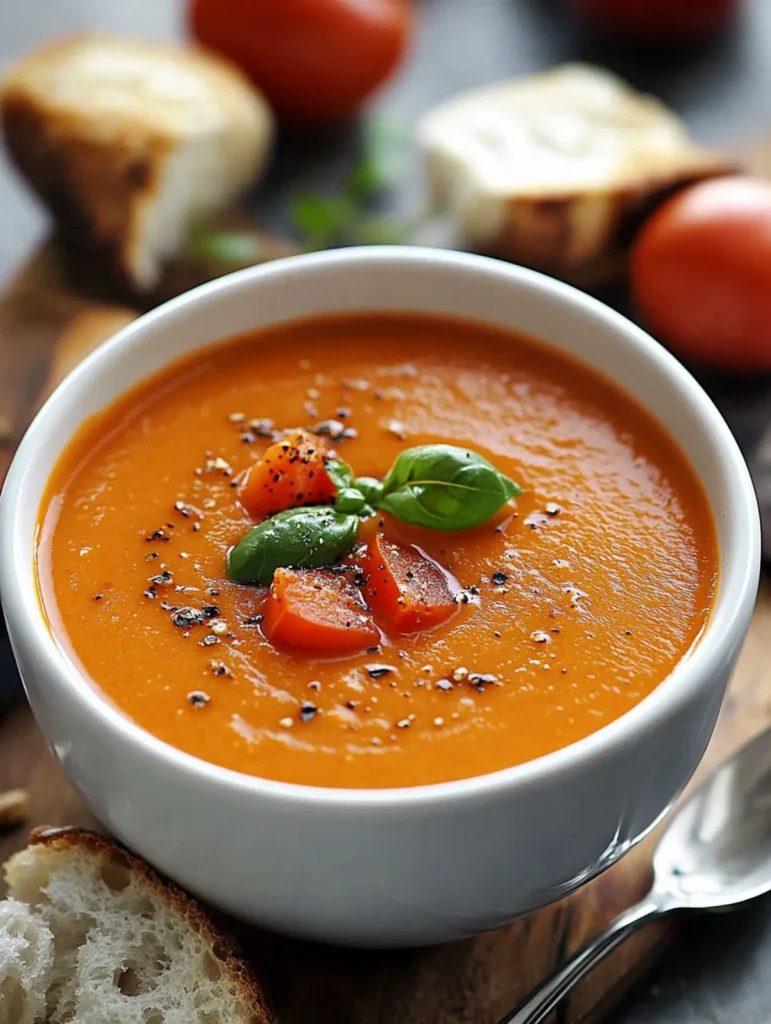
This silky homemade tomato soup transforms garden-fresh tomatoes into a bowl of pure comfort that puts restaurant versions to shame. Each spoonful delivers the perfect balance of natural sweetness from ripe tomatoes and aromatic depth from roasted garlic. The velvety texture—achieved through a careful blend of sautéed vegetables and just the right amount of cream—creates a luxurious mouthfeel without feeling heavy. Serve with a grilled cheese sandwich for the ultimate cozy meal that proves simple ingredients, when treated with care, create the most satisfying flavors.
Why You’ll Love This Recipe
This homemade tomato soup delivers restaurant quality with simple pantry ingredients and minimal effort. Here’s why it’s worth adding to your regular rotation:
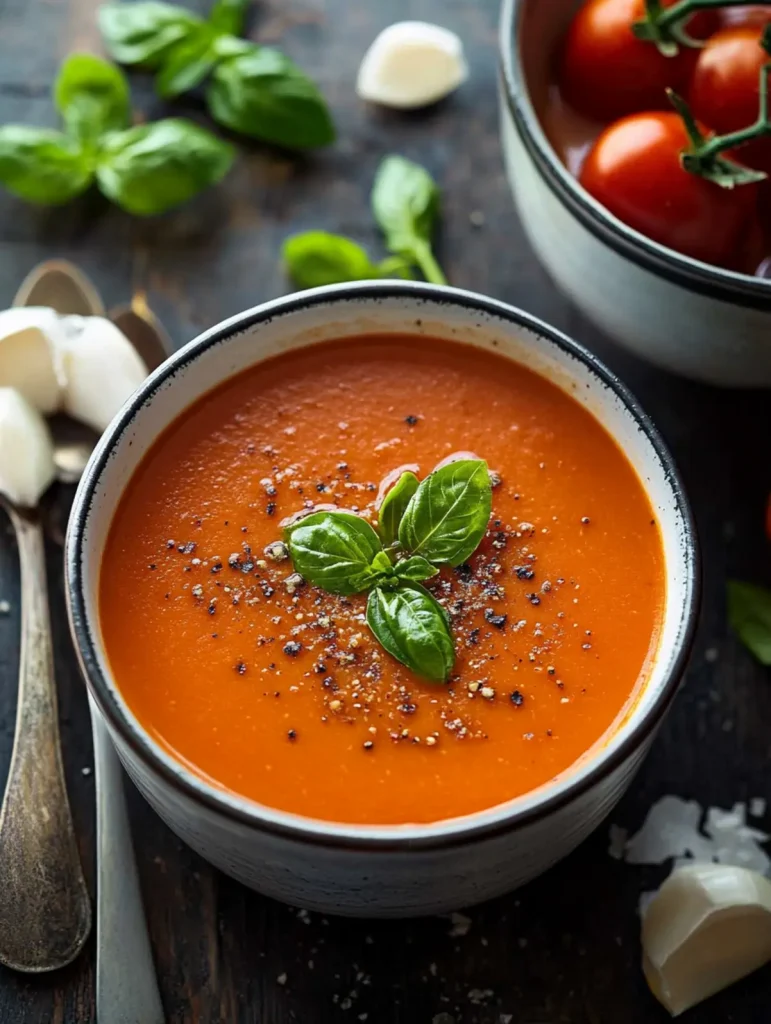
- Rich Depth of Flavor : The combination of slow-sautéed onions and roasted garlic creates layers of flavor that simply can’t be found in canned alternatives.
- Silky Smooth Texture : The blending technique followed by a touch of optional cream produces a velvety consistency that feels luxurious against the palate.
- Freezer-Friendly Marvel : Make a double batch and freeze portions for up to three months—the flavor actually deepens after being stored.
- Customizable Base : This soup serves as the perfect canvas for additions like fresh herbs, a splash of white wine, or even grilled shrimp for a more substantial meal.
- Comfort Food Upgraded : The natural sweetness of fresh tomatoes balanced with just a tablespoon of sugar eliminates the acidity found in most restaurant versions.
Ingredient Breakdown with Tips
The secret to making this tomato soup truly restaurant-worthy lies in understanding how each ingredient contributes to the final bowl. Quality ingredients handled properly transform a simple soup into something extraordinary.
- Fresh tomatoes : The star of this dish brings natural sweetness and bright acidity. Roma or vine-ripened tomatoes offer the best flavor, but any ripe, in-season tomatoes will create a superior soup than their canned counterparts.
- Onion : Provides a sweet aromatic foundation that balances the acidity of tomatoes. Yellow or white onions work best; red onions can sometimes add an unwanted color tint to the finished soup.
- Garlic : Adds depth and complexity to the flavor profile. Fresh cloves deliver significantly more potent flavor than pre-minced options; roasting them briefly in the oil creates a mellower, more rounded taste.
- Olive oil : Use a good quality extra virgin olive oil for sautéing, as its flavor becomes part of the soup’s profile. The oil helps extract fat-soluble flavors from the aromatics and creates a silkier mouthfeel.
- Fine sea salt : Enhances all other flavors in the soup. Adding salt in stages—a little during cooking and adjusting at the end—provides better flavor development than adding it all at once.
- Black pepper : Freshly ground pepper offers significantly more aroma and complexity than pre-ground versions. It provides subtle heat that complements the sweetness of tomatoes.
- Fresh basil : Essential for that classic tomato soup flavor. Add most during cooking but reserve a few leaves for garnish; the aromatic oils in fresh basil bring brightness that dried simply cannot match.
- Salted butter : Creates richness and helps form the roux with flour. The milk solids in butter add a subtle creaminess that olive oil alone cannot provide.
- All-purpose flour : Acts as a thickening agent that helps create the soup’s silky texture. Cooking it briefly with butter eliminates any raw flour taste while providing body to the soup.
- Granulated sugar : Balances the natural acidity of tomatoes without making the soup taste sweet. Brown sugar can be substituted for a slightly deeper flavor profile.
- Vegetable broth : Provides the liquid base while adding depth. Using homemade or low-sodium store-bought allows better control over the soup’s final seasoning.
- Heavy cream : Optional but recommended for luxurious richness. For a lighter version, half-and-half works well; dairy-free alternatives like full-fat coconut milk can be substituted for a different but equally delicious flavor profile.
Step-by-Step Instructions
- Heat the olive oil in a large pot over medium heat, then add the diced onion. Sauté for 4-5 minutes until translucent but not browned.
- Add the chopped garlic and cook for another 30 seconds until fragrant. I always keep a close eye on garlic at this stage—it can go from perfect to burnt in seconds!
- Stir in the tomato pieces, salt, and pepper. Cook for about 10 minutes until the tomatoes soften and release their juices, stirring occasionally.
- Create a roux by adding the butter and allowing it to melt completely. Sprinkle in the flour and stir constantly for 2 minutes to cook out the raw flour taste and form a paste with the vegetables.
- Pour in the vegetable broth gradually while stirring to prevent lumps from forming. Add the sugar and fresh basil, then bring the mixture to a gentle simmer.
- Simmer the soup uncovered for 20 minutes, stirring occasionally. The liquid should reduce slightly and the flavors will intensify as it cooks.
- Blend until silky smooth using an immersion blender directly in the pot, or carefully transfer in batches to a standard blender (be sure to vent the lid to prevent pressure buildup from hot liquid).
- Finish by stirring in your desired amount of heavy cream if using, and adjust seasoning to taste. The soup should coat the back of a spoon with a velvety texture that’s neither too thin nor too thick.
For the absolute silkiest texture, strain the blended soup through a fine-mesh sieve before adding the cream—it takes an extra few minutes but elevates this soup to true restaurant quality.
Tips for the Best Silky Homemade Tomato Soup
- Choose perfect tomatoes : For the richest flavor in your tomato soup recipe, use fully ripe, in-season tomatoes. I’ve found that slightly overripe ones actually contribute more sweetness and depth.
- Slow-cook the onions : Take your time with step 1—cooking onions until truly translucent (about 5 full minutes) builds a sweeter foundation that balances tomato acidity beautifully.
- Master the roux technique : When adding flour to the butter, ensure they’re fully incorporated before adding broth. This prevents lumps and creates that restaurant-quality silky texture.
- Control the heat : Keep your simmer gentle during the 20-minute cook time—vigorous boiling can break down delicate flavors and give the soup a metallic taste.
- Blend in batches : If using a standard blender instead of immersion, fill it only halfway with hot soup to prevent pressure buildup and potential burns.
- Season at the end : Always taste and adjust salt after adding cream, as dairy can mute flavors—this final touch distinguishes home-cooked soup from commercial versions.
Serving Suggestions
This homemade tomato soup deserves to be showcased with thoughtful accompaniments that complement its rich, silky texture. The vibrant tomato flavor pairs beautifully with both simple and sophisticated sides.
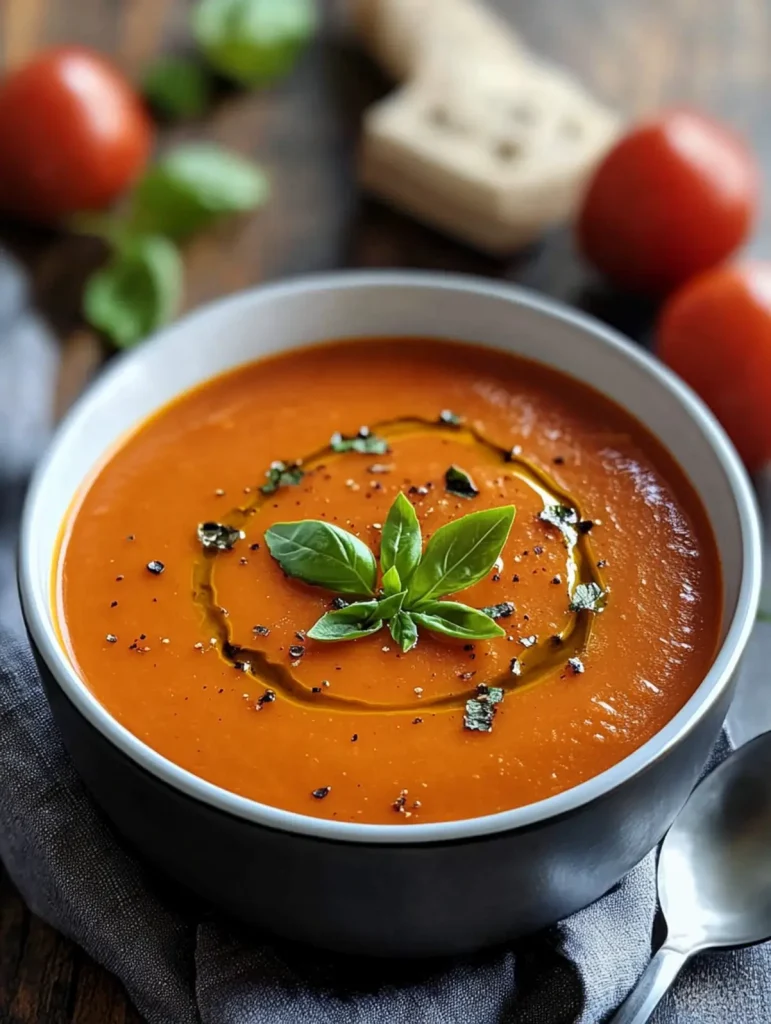
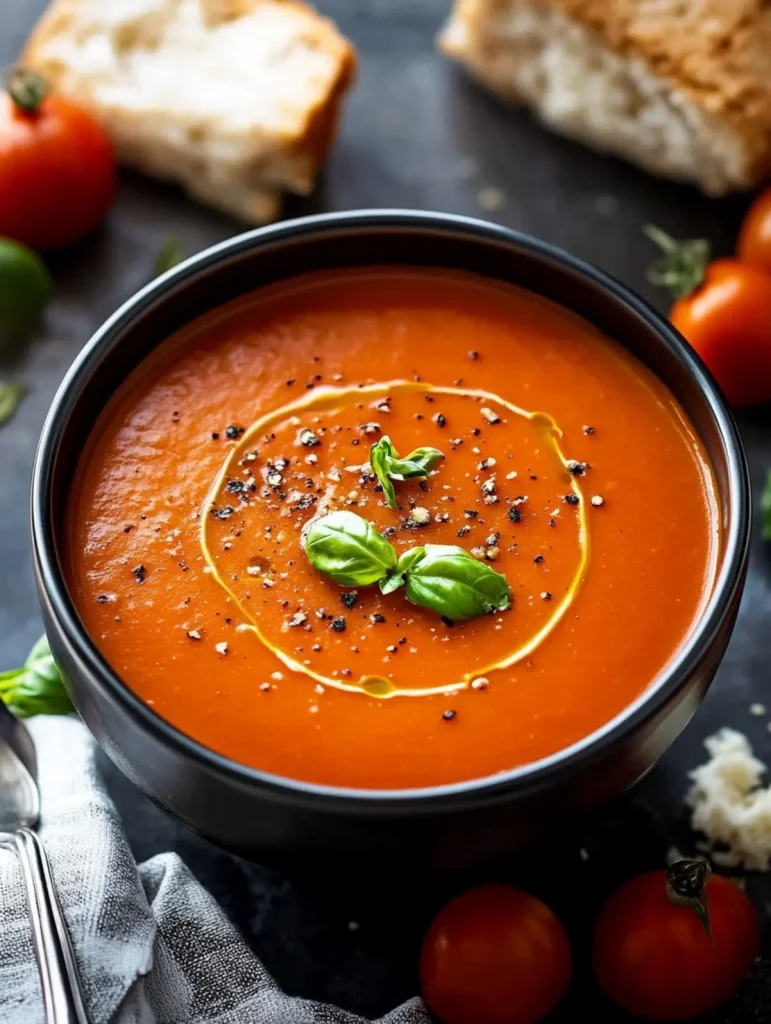
I love serving this soup in wide, shallow bowls to showcase its gorgeous color and allow for creative garnishing. A swirl of cream, a sprinkle of fresh basil chiffonade, and a few homemade croutons create an elegant presentation that rivals any restaurant. For an extra touch of luxury, try adding a tiny drizzle of high-quality olive oil just before serving.
The classic pairing of tomato soup with grilled cheese remains undefeated for good reason. The contrast between the crispy, buttery sandwich and the velvety soup creates a perfect textural balance. For an elevated version, try using sourdough bread with sharp cheddar and a touch of Dijon mustard. Other excellent accompaniments include:
- Crusty artisan bread for dipping (garlic bread is particularly wonderful with the soup’s basil notes)
- A simple green salad dressed with lemon vinaigrette to cut through the soup’s richness
- For wine enthusiasts, a glass of Sauvignon Blanc or Pinot Grigio complements the tomato’s natural acidity
For entertaining, consider serving this tomato soup recipe as an elegant starter in small cups or shot glasses, topped with a tiny grilled cheese triangle or basil oil drizzle. It’s a sophisticated yet familiar option that never fails to delight guests.
Variations & Substitutions
This tomato soup recipe is wonderfully adaptable to what you have on hand or your dietary preferences. Here’s how you can make it truly your own while maintaining that restaurant-quality silkiness:
- Dairy-free options : Skip the heavy cream and use full-fat coconut milk for a surprisingly complementary flavor profile, or try cashew cream (blend soaked cashews with water) for a neutral but equally velvety finish. I’ve found these alternatives maintain the luxurious mouthfeel without compromising on texture.
- Roasted tomato upgrade : For deeper flavor, roast your tomatoes with a drizzle of olive oil at 400°F for 25-30 minutes before adding them to the soup. This concentrates their sweetness and adds a subtle smokiness that’s absolutely worth the extra time.
- Herb variations : While basil is classic, try substituting with fresh thyme, oregano, or a sprig of rosemary for a different aromatic profile. Remove woody stems before blending, or strain the soup afterward for that signature silky texture.
- Spice it up : Add a pinch of red pepper flakes with the garlic for gentle heat, or stir in a tablespoon of tomato paste with the flour for even more concentrated tomato flavor and a deeper red color.
- Broth alternatives : No vegetable broth? Use chicken stock for a richer flavor profile, or even water with an extra pinch of salt if you’re in a pinch—the fresh tomatoes provide plenty of flavor on their own.
- Gluten-free thickening : Replace the all-purpose flour with 1 tablespoon of cornstarch dissolved in 2 tablespoons of cold water (added during the last 5 minutes of simmering) or use a tablespoon of rice flour in the roux for a comparable silky texture without gluten.
Make Ahead Options for Tomato Soup
This silky homemade tomato soup is perfect for meal prep enthusiasts who want restaurant-quality results with minimal weeknight effort! You can prepare the entire soup base up to 3 days in advance by following the recipe through step 7 (before adding cream), then refrigerate in an airtight container. The flavors actually deepen and improve during storage, making your tomato soup even more delicious. When ready to serve, simply reheat gently over medium-low heat, stir in the heavy cream if desired, and adjust seasoning to taste. You can also freeze the base for up to 3 months—just thaw overnight in the refrigerator before reheating for a comforting meal that tastes like you spent hours in the kitchen.
Storage & Freezing
This silky tomato soup stores beautifully, allowing you to enjoy homemade goodness even on your busiest days. Proper storage not only preserves the soup’s velvety texture but can actually enhance its flavor profile over time.
Store refrigerated soup in airtight glass containers for up to 5 days. The soup will naturally thicken as it cools—this is completely normal due to the flour-based roux. When reheating, add a splash of broth or water to reach your desired consistency, and warm gently over medium-low heat, stirring occasionally to prevent scorching on the bottom.
For freezing, I recommend portioning the soup into freezer-safe containers before adding any cream. Leave about an inch of headspace to allow for expansion and freeze for up to 3 months. The flour in this recipe acts as a natural stabilizer, preventing the dreaded separation that can happen with tomato soups when frozen. When ready to enjoy, thaw overnight in the refrigerator , then reheat slowly on the stovetop , adding fresh cream if desired.
If you’ve already added cream before freezing, don’t worry—simply reheat the thawed soup over low heat and whisk vigorously to recombine any separated elements. A fresh garnish of basil and perhaps an extra splash of cream will revive the soup beautifully, making it taste almost fresher than the day you made it.
Recipe FAQs
Can I use canned tomatoes instead of fresh? Yes, use 2 (28oz) cans whole tomatoes.
Is the heavy cream necessary? No, it’s optional for extra richness.
Can this soup be made ahead? Absolutely! Flavors deepen overnight in refrigerator .
How do I prevent flour lumps? Stir constantly after adding flour to butter.
Can I freeze this tomato soup? Yes, freeze before adding cream for best results.
What’s the secret to silky texture? I always strain through fine-mesh sieve after blending.
- 0 Facebook
- 0 Pinterest
- 0 Email
- Copy Link
- 0 shares
Silky Homemade Tomato Soup That Beats The Restaurant Version
Ingredients
Instructions
- Heat
the olive oil in a large pot over medium heat, then add the diced onion. Sauté for 4-5 minutes until translucent but not browned.
- Add
the chopped garlic and cook for another 30 seconds until fragrant.
- Stir
in the tomato pieces, salt, and pepper. Cook for about 10 minutes until the tomatoes soften and release their juices, stirring occasionally.
- Create
a roux by adding the butter and allowing it to melt completely. Sprinkle in the flour and stir constantly for 2 minutes.
- Pour
in the vegetable broth gradually while stirring to prevent lumps from forming. Add the sugar and fresh basil, then bring the mixture to a gentle simmer.
- Simmer
the soup uncovered for 20 minutes, stirring occasionally.
- Blend
until silky smooth using an immersion blender directly in the pot, or carefully transfer in batches to a standard blender.
- Finish
by stirring in your desired amount of heavy cream if using, and adjust seasoning to taste.
Notes
Choose perfect tomatoes : Use fully ripe, in-season tomatoes for the richest flavor.
Slow-cook the onions : Cooking onions until truly translucent builds a sweeter foundation.
Master the roux technique : Prevent lumps by ensuring flour is fully incorporated before adding broth.
Control the heat : Keep your simmer gentle during the 20-minute cook time.
Blend in batches : When using a standard blender, fill only halfway with hot soup.
Season at the end : Always taste and adjust salt after adding cream.
Nutrition
| Serving Size | 1 bowl |
|---|---|
| Calories | 250 calories |
| Sugar Content | 6g |
| Sodium Content | 500mg |
| Fat Content | 18g |
| Saturated Fat Content | 10g |
| Unsaturated Fat Content | 6g |
| Trans Fat Content | 0g |
| Carbohydrate Content | 24g |
| Fiber Content | 5g |
| Protein Content | 4g |
| Cholesterol Content | 30mg |