- 0 Facebook
- 11 Pinterest
- 4 Email
- Copy Link
- 15 shares
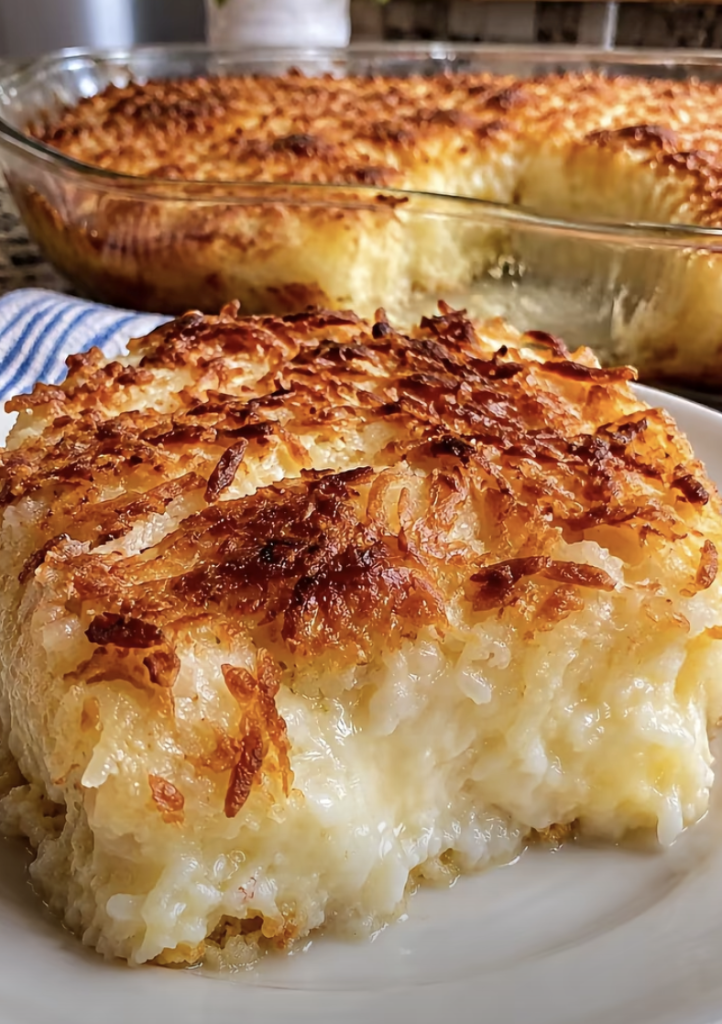
Creamy coconut custard meets tender, golden cake in this sugar-free dump cake that practically assembles itself. Everything gets stirred together in one bowl (no mixer, no fuss) and baked until the top turns crisp and toasty while the center stays silky, rich, and tropical-sweet. Serve it warm with fresh berries or a cloud of sugar-free whipped cream, and the kitchen suddenly feels a little like vacation.
Why You’ll Love This Recipe
Why Make Sugar-Free Coconut Custard Dump Cake?
Because the Irresistibly Creamy Sugar-Free Coconut Custard Dump Cake delivers bakery-style comfort with almost no effort, and without the sugar crash. Here’s what makes it a keeper for home cooks who’d rather skip store-bought desserts.
- One-Bowl Simplicity : Everything stirs together by hand in a single bowl, so there’s no mixer to haul out and very little cleanup afterward.
- Real Custard Texture : Eggs and canned coconut milk bake into a silky, spoonable center beneath a tender golden crumb, a texture sugar-free cakes rarely achieve.
- Toasty Coconut Crunch : The extra shredded coconut sprinkled on top browns and crisps in the oven , adding a nutty contrast to the creamy middle.
- Balanced Sweetness : Vanilla and the optional coconut extract round out the monk fruit or erythritol, so the flavor tastes rich and tropical rather than flat or “diet-like.”
- Built-In Technique Tip : Letting the melted butter cool for a minute before mixing keeps the eggs from scrambling and helps the custard set evenly.
- Crowd-Ready and Make-Ahead : It serves 12, tastes great warm or at room temperature, and keeps in the fridge for up to 3 days, which suits potlucks and weeknight cravings alike.
Ingredient Notes
Great results start with the right ingredients, and a few smart choices make all the difference in a sugar-free dessert. Here’s what each ingredient does in this Sugar-Free Coconut Custard Dump Cake, plus a few tips to help it turn out creamy, golden, and full of flavor.
The Cake Base
- Sugar-free yellow cake mix (15 oz box) : This forms the tender, golden crumb and does most of the structural work. Check that the label says “sugar-free” rather than “reduced sugar,” and stick to a 15 oz box so the batter-to-custard ratio stays balanced.
- Baking powder (1 teaspoon) : This gives the cake a little extra lift so the crumb stays light above the custard. Choose an aluminum-free brand for a cleaner flavor, and replace it if the tin has been open for more than six months.
- Unsalted butter, melted (1/2 cup) : Butter brings richness and helps the top turn golden and tender. Let it cool for a minute or two before mixing so it doesn’t scramble the eggs. If needed, refined coconut oil works as a dairy-free swap.
The Custard Layer
- Unweetened coconut milk (13.5 oz can) : Canned coconut milk creates the creamy, tropical custard. Shake the can well or whisk it in a bowl to blend the cream and liquid. Skip the refrigerated carton variety, which is too thin to set properly.
- Large eggs (4) : Eggs set the custard and bind everything together. Room-temperature eggs blend more smoothly, so set them out for about 20 minutes before baking.
- Granulated sugar-free sweetener (1/2 cup) : This sweetens the custard without the sugar crash. A monk fruit and erythritol blend gives the most balanced flavor, since pure erythritol can leave a slight cooling aftertaste. Measure by volume, and make sure your brand is a 1:1 sugar replacement.
Flavor and Finish
- Unsweetened shredded coconut (1 cup, for the batter) : Stirred into the batter, it adds chew, natural sweetness, and a nutty depth. Fresh, soft shreds work best, so check the package date. If the coconut seems dry, soak it in warm water for 5 minutes, then drain well.
- Vanilla extract (1 teaspoon) : Vanilla rounds out the sweetener and gives the custard a warm, bakery-style aroma. Pure vanilla extract is worth the small splurge here, since imitation versions can taste sharp in sugar-free baking.
- Coconut extract (1/2 teaspoon, optional) : A little extract amplifies the tropical flavor, especially if your coconut milk is mild. It’s potent, so measure carefully, and leave it out if you prefer a subtler coconut taste.
- Salt (1/4 teaspoon) : Salt sharpens the sweetness and keeps the coconut from tasting flat. Fine sea salt dissolves easily into the batter. If using coarse kosher salt, grind it finely or add a pinch more.
- Unsweetened shredded coconut (1/2 cup, for topping) : Sprinkled on top, this bakes into a crisp, toasty crown that contrasts with the silky center. If it browns too quickly, tent the dish loosely with foil for the last 10 minutes. For extra crunch, lightly toast the coconut in a dry skillet first.
Quick Note : Look for “unsweetened” on both the coconut milk and shredded coconut labels. Many store-bought versions contain added sugar, which would undo the sugar-free goal.
How to Make Irresistibly Creamy Sugar-Free Coconut Custard Dump Cake
- Preheat the oven to 350°F (175°C) and grease a 9×13-inch baking dish thoroughly with nonstick spray. Set the eggs out now if you haven’t already, since room-temperature eggs blend more smoothly.
- Melt the butter and let it cool for 1 to 2 minutes, so it’s warm but not hot enough to scramble the eggs. Shake the can of coconut milk well to blend the cream and liquid.
- Whisk the eggs, sugar-free sweetener, coconut milk, vanilla, and coconut extract (if using) in a large bowl for about 1 minute, until smooth and slightly frothy. Slowly stream in the cooled butter while whisking, so the mixture stays silky and doesn’t separate.
- Sprinkle the cake mix, baking powder, and salt over the wet mixture, then fold gently until just combined. I like to stop while a few small lumps remain, since overmixing can make the cake dense.
- Fold in 1 cup of shredded coconut, then pour the batter into the prepared dish and smooth the top. It will look thin and custard-like, which is exactly what you want.
- Sprinkle the remaining 1/2 cup of coconut evenly over the top. I sometimes toast it in a dry skillet for 2 to 3 minutes first for extra crunch.
- Bake for 40 to 45 minutes, until the top is deep golden and the edges are set. The center should jiggle slightly, like a soft custard, and a toothpick inserted near the middle should come out with just a few moist crumbs. If the coconut browns too fast, tent the dish loosely with foil for the last 10 minutes.
- Let the cake rest in the dish for at least 15 minutes, so the custard finishes setting and slices cleanly. Serve warm or at room temperature with fresh berries or a dollop of sugar-free whipped cream.
Tip: If the center still looks very wet after 45 minutes, give it another 5 minutes. Ovens vary, and the cake firms up noticeably as it cools.
Reminder: Check that your coconut milk and shredded coconut are labeled “unsweetened,” and store leftovers in an airtight container in the refrigerator for up to 3 days.
Expert Tips
A few small habits help this Sugar-Free Coconut Custard Dump Cake bake up silky in the center and crisp on top.
- Shake the can : Coconut cream separates from the liquid in unsweetened canned milk, so shake hard or whisk it smooth, otherwise the custard sets unevenly with greasy pockets.
- Cool the butter : Warm, not hot, melted butter streamed in slowly while whisking keeps the eggs from scrambling and the batter from separating into oily streaks.
- Pick your sweetener : A monk fruit and erythritol blend avoids the cooling aftertaste pure erythritol can leave, especially noticeable in a mild custard like this.
- Stop mixing early : I fold until a few small lumps remain, because sugar-free cake mix turns dense and gummy quickly when overworked.
- Toast the topping : I toast the topping coconut in a dry skillet for 2 to 3 minutes first, so it browns evenly and stays crunchy instead of chewy.
- Trust the jiggle : Pull the pan when the edges are set and the center wobbles slightly like soft custard. It firms up during the 15-minute rest.
Variations & Substitutions
This cake is forgiving, so feel free to adjust it to your pantry, your diet, or your cravings. Here are a few tested tweaks that keep the custard silky and the topping crisp.
- Dairy-free butter swap : Replace the melted butter with an equal amount of refined coconut oil, cooled slightly, for a dairy-free cake that tastes just as rich.
- Different sweetener options : Allulose or a stevia-erythritol blend works 1:1 in place of the granulated sweetener. Allulose browns faster, so check the edges early.
- Nutty crunch topping : I sometimes replace half the topping coconut with chopped toasted macadamia nuts or sliced almonds for extra crunch and a buttery flavor.
- Bright citrus twist : Stir 1 tablespoon of fresh lime zest into the wet ingredients for a bright, tropical lift that balances the custard’s richness.
- No coconut extract : If you don’t have coconut extract, use 1/4 teaspoon almond extract instead. It’s stronger, so measure carefully and don’t add more.
- Berry-studded version : I like scattering 3/4 cup fresh raspberries over the batter before the coconut topping. They add tartness and a jammy pocket without much sugar.
Make Ahead Options
Busy week ahead? This Sugar-Free Coconut Custard Dump Cake is perfect for meal prep, and you can prepare ahead in a few easy ways. Whisk the eggs, sweetener, coconut milk, and extracts, then cover and refrigerate for up to 24 hours , stirring in the cooled butter just before baking. Keep the cake mix, baking powder, and salt in a separate bowl, since mixing wet and dry too early can make the cake dense. Toast the topping coconut up to 3 days ahead. Prefer to bake it fully? Refrigerate the cooled cake, covered, for up to 3 days , then rewarm slices at 325°F (160°C) for 10 minutes, and it’s just as delicious.
Storage & Freezing
- Refrigerate: Let the Sugar-Free Coconut Custard Dump Cake cool completely, then cover the dish tightly or move slices to an airtight container. Refrigerate within 2 hours of baking and eat within 3 days, since the egg-and-coconut-milk custard is perishable. Chilling firms the center into a denser, sliceable texture, and the toasted coconut on top softens as it absorbs moisture. Erythritol can also taste a bit cooler when cold, so I let a slice sit out for 10 minutes before serving.
- Freeze: Slice the cake once fully chilled and wrap each piece tightly in plastic wrap, then place the wrapped pieces in a freezer-safe bag or container. It keeps well for up to 2 months. Because the custard is egg-and-coconut-milk based, it may turn slightly softer or a touch grainy after thawing, though the flavor stays good. I freeze portions without any whipped cream or berries and add those fresh. Thaw slices overnight in the refrigerator , never on the counter.
- Reheat: For the best texture, bake covered slices in a 325°F (160°C) oven for 10 to 15 minutes, then uncover for the last 3 to 4 minutes to re-crisp the coconut. In a hurry, microwave a slice at 50% power in 20-second bursts. It will be soft but still tasty. Reheat until the center is hot and steaming (165°F/74°C), since leftovers contain eggs. A fresh sprinkle of toasted coconut brings back the crunch.
Serving Suggestions
- Plate it warm and simple: Rest the cake for the full 15 minutes so the custard sets, then cut 12 squares with a thin knife , wiping the blade between cuts for clean edges. Spoon each into a shallow bowl rather than onto a flat plate, since the silky center softens slightly and the bowl catches it. Top with a small dollop of sugar-free whipped cream and a pinch of toasted coconut for crunch against the creamy middle. If you’ve refrigerated leftovers, let a slice sit out for 10 minutes first, because the custard tastes creamier and the sweetener’s cooling edge fades.
- Add fruit with some acidity: Rich coconut custard needs something bright to balance it. Fresh raspberries, sliced strawberries, or blackberries work best and stay low in sugar. I like tossing strawberries with a little lime zest and juice, which lifts the coconut and makes it taste more tropical. Add a few mint leaves for color, and keep sweeter fruits like mango or pineapple to a small spoonful if you’re watching carbs.
- Pour a drink that suits it: Strong coffee or espresso cuts through the richness, and unsweetened iced green tea or a jasmine tea is refreshing alongside it. For a dinner party, a chilled dry sparkling wine such as brut cava or prosecco handles the creaminess well without adding sweetness. Avoid dessert wines, which can overpower the delicate vanilla and coconut.
- Match the portion to the occasion: This Sugar-Free Coconut Custard Dump Cake feeds a crowd, so serve it straight from the 9×13 dish at potlucks and family dinners, with berries and whipped cream in bowls on the side. For a lighter ending after a heavy meal, cut smaller 2-inch squares and serve them in cupcake liners as bite-sized treats. A small drizzle of melted sugar-free dark chocolate dresses it up for guests without adding sugar.
Recipe FAQs
- Can I freeze this Sugar-Free Coconut Custard Dump Cake? Yes, up to 2 months; texture softens slightly.
- Why does my custard look wet after 45 minutes? Bake 5 more minutes; it firms while cooling.
- Can I use carton coconut milk instead of canned? No, canned unsweetened milk sets the custard properly.
- Which sweetener tastes best here? I prefer a monk fruit-erythritol blend; no cooling aftertaste.
- 0 Facebook
- 11 Pinterest
- 4 Email
- Copy Link
- 15 shares
Irresistibly Creamy Sugar-Free Coconut Custard Dump Cake
Ingredients
Instructions
Preheat the oven to 350°F (175°C) and grease a 9×13-inch baking dish thoroughly with nonstick spray. Set the eggs out now if you haven’t already, since room-temperature eggs blend more smoothly.
Melt the butter and let it cool for 1 to 2 minutes, so it’s warm but not hot enough to scramble the eggs. Shake the can of coconut milk well to blend the cream and liquid.
Whisk the eggs, sugar-free sweetener, coconut milk, vanilla, and coconut extract if using in a large bowl for about 1 minute, until smooth and slightly frothy. Slowly stream in the cooled butter while whisking, so the mixture stays silky and doesn’t separate.
Sprinkle the cake mix, baking powder, and salt over the wet mixture, then fold gently until just combined. Stop while a few small lumps remain to avoid a dense cake.
Fold in 1 cup of shredded coconut, then pour the batter into the prepared dish and smooth the top. It will look thin and custard-like, which is expected.
Sprinkle the remaining 1/2 cup of coconut evenly over the top. Optionally toast the coconut in a dry skillet for 2 to 3 minutes first for extra crunch.
Bake for 40 to 45 minutes, until the top is deep golden and the edges are set. The center should jiggle slightly like a soft custard; a toothpick inserted near the middle should come out with just a few moist crumbs. If the coconut browns too fast, tent the dish loosely with foil for the last 10 minutes.
Let the cake rest in the dish for at least 15 minutes so the custard finishes setting and slices cleanly. Serve warm or at room temperature with fresh berries or a dollop of sugar-free whipped cream.
Notes
Shake the can: Unsweetened canned coconut milk separates, so shake or whisk it smooth to avoid greasy pockets in the custard.
Cool the butter: Let melted butter cool slightly before adding so the eggs don’t scramble and the batter remains silky.
Choose your sweetener: A monk fruit and erythritol blend helps avoid the cooling aftertaste pure erythritol can leave.
Stop mixing early: Fold until a few small lumps remain to prevent a dense, gummy texture.
Toast the topping: Toast shredded coconut in a dry skillet for 2 to 3 minutes for even browning and lasting crunch.
Trust the jiggle: Remove when edges are set and the center wobbles slightly; it firms as it rests for 15 minutes.
Refrigerate: Cool completely, then cover and refrigerate within 2 hours; keeps up to 3 days.
Freeze: Slice when chilled, wrap pieces tightly, and freeze up to 2 months. Thaw overnight in the refrigerator .
Reheat: Reheat covered at 325°F (160°C) for 10 to 15 minutes, uncovering for the last few minutes to re-crisp the coconut, or microwave at 50 percent power in short bursts.
Nutrition
| Serving Size | 1 slice (1/12 of recipe) |
|---|---|
| Calories | ≈243 kcal per serving |
| Sugar Content | 0 g added sugar (made with sugar-free sweetener) |
| Sodium Content | ≈220 mg per serving |
| Fat Content | ≈17 g per serving |
| Saturated Fat Content | ≈11 g per serving |
| Unsaturated Fat Content | ≈5 g per serving |
| Trans Fat Content | 0 g |
| Carbohydrate Content | ≈18 g per serving |
| Fiber Content | ≈2 g per serving |
| Protein Content | ≈4 g per serving |
| Cholesterol Content | ≈62 mg per serving |