- 0 Facebook
- 0 Pinterest
- 6 Email
- Copy Link
- 6 shares
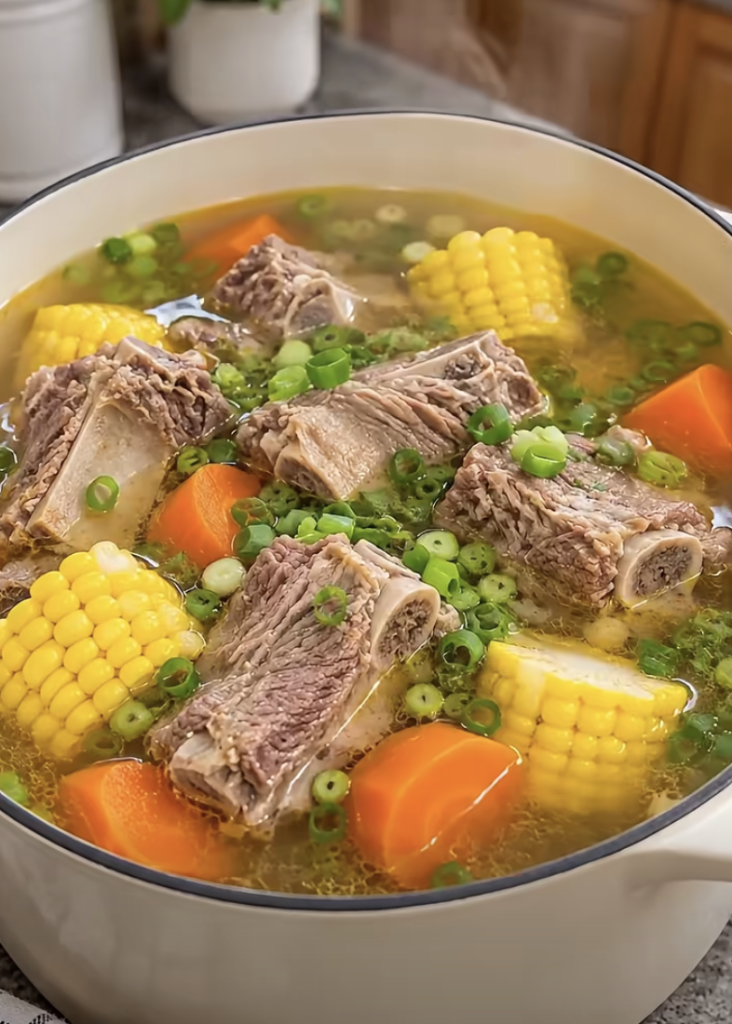
Slow-simmered until the meat practically slips off the bone, this Chinese beef rib soup is the kind of bowl that makes takeout feel like a distant memory. Sweet corn and carrots melt into a clear, golden broth, while ginger and garlic add a warm, peppery depth that lingers (in the best way). It’s an easy, hands-off pot that fills the kitchen with aroma for two hours, and it’s lovely ladled over steamed rice or noodles.
Tried, Tested, and Totally Worth It
Why make Chinese Beef Rib Soup at home?
Cozy Chinese Beef Rib Soup With Ginger and Garlic Comfort earns a regular spot at the table because it delivers restaurant-level depth with very little effort. Here’s what makes it worth the pot space.
- Fall-off-the-bone ribs : Two hours of gentle simmering turns tough short ribs into spoonable, silky meat, while the bones enrich the broth with body.
- Clear, golden broth : Keeping the heat at a bare simmer and skimming early foam gives a clean, sweet-savory broth rather than a cloudy one.
- Hands-off cooking : After 15 minutes of chopping, the pot does the work, leaving time for rice, laundry, or simply enjoying the aroma.
- Balanced ginger-garlic warmth : Lightly crushed garlic and ginger slices perfume the soup gently, while white pepper adds a soft heat that comforts without overpowering.
- Fresh cilantro finish : A scattering of cilantro and green onions at the end brightens the rich broth, so every bowl tastes lively, not heavy.
- Meal-prep friendly : Leftovers keep three days in the fridge or two months in the freezer, and the flavor deepens, making next-day bowls even better.
The Ingredients That Make It Work
Great soup starts with the right ingredients, and in this Chinese Beef Rib Soup, each one has a clear job, from building a rich broth to adding sweetness, warmth, and a fresh finish. A little attention at the shopping stage pays off in every spoonful.
Quick note: this recipe is flexible, so the optional items can be adjusted to your taste and pantry.
The Beef
- Beef short ribs (1 kg, cut into pieces) : The bones and marbling give the broth body and the meat its fall-apart tenderness. Choose well-marbled, meaty ribs with a good meat-to-bone ratio. Bone-in beef shank or oxtail also works if short ribs are hard to find.
The Vegetables
- Sweet corn (2 ears, cut into chunks) : Corn lends a gentle, natural sweetness that balances the savory beef. Fresh ears in season are best, but frozen cobs work well. Cut them into thick rounds so they hold their shape during the long simmer.
- Carrots (2 medium, peeled and chopped) : Carrots add color and soft sweetness to the broth. Cut them into large chunks so they stay intact over two hours. Daikon radish is a classic substitute with a more savory, mellow flavor.
- Onion (1 small, quartered) : The onion adds a rounded, sweet backbone that supports the other aromatics. A standard yellow onion is ideal. Leaving a bit of the root end on each quarter helps the layers stay together in the pot.
The Aromatics
- Fresh ginger (4 slices) : Ginger brings the warm, peppery lift and helps mellow any heavy beef flavor. Look for firm, smooth-skinned roots, and leave the skin on if it’s clean. Ground ginger isn’t a good swap because it can turn the broth dull and gritty.
- Garlic (4 cloves, lightly crushed) : Crushing the cloves releases aroma while keeping the broth clear, which minced garlic can’t do. Use fresh heads with firm, tight cloves for the cleanest flavor.
- Green onions (2, cut into pieces) : Simmered in the pot, they add a mild, savory depth that rounds out the broth. Use both the white and green parts here, and save the freshest greens for garnish.
The Liquids and Seasonings
- Water (8 cups) : Starting with cold water draws more flavor from the bones as it heats slowly. If the level drops too low during cooking, top it up with hot water. For an even richer soup, swap part of the water for low-sodium beef broth.
- Light soy sauce (1 tablespoon) : “Light” refers to the thinner consistency, not lower sodium, and it adds savory umami and seasoning. Choose a good-quality brand, and use tamari if you need a gluten-free option.
- Salt (1 teaspoon, or to taste) : Salt sharpens every other flavor in the pot. Season gradually and taste near the end, since the broth reduces slightly and soy sauce already contributes saltiness.
- White pepper (1/2 teaspoon) : White pepper gives the gentle, earthy heat typical of Chinese soups without black specks in the golden broth. Freshly ground has the best aroma. If you only have black pepper, use a little less.
- Cooking wine (1 tablespoon, optional) : Shaoxing wine helps soften any gamey notes and adds subtle depth. Dry sherry is the best substitute. For an alcohol-free version, simply omit it, since the soup is still delicious without it.
The Finishing Touches
- Chopped green onions (2 tablespoons, for garnish) : Added fresh at the end, they bring a bright, crisp bite that lifts the rich broth. Slice them thinly just before serving so they stay vibrant.
- Fresh cilantro (optional) : Cilantro adds a clean, citrusy freshness that cuts through the richness of the beef. Scatter the leaves and tender stems over each bowl right before serving. If you’re not a fan, flat-leaf parsley or extra green onions make a good stand-in.
How to Make Cozy Chinese Beef Rib Soup With Ginger and Garlic Comfort
- Place the beef short ribs in a large stockpot and pour in the 8 cups of cold water, then add the cooking wine if using. Starting with cold water draws more flavor from the bones as the pot slowly heats.
- Bring the pot to a boil over medium-high heat, then skim off the gray foam that rises to the surface with a large spoon. I like to stay nearby for these first 10 minutes, because removing the foam early is what keeps the broth clear and golden.
- Add the ginger slices, crushed garlic, green onion pieces, and quartered onion, then reduce the heat to low. Partially cover the pot and simmer gently for 1 hour, with only a few lazy bubbles breaking the surface.
- Stir in the corn chunks and chopped carrots, then continue simmering, partially covered, for another 50 minutes. The carrots should be soft and the corn plump and sweet, and the broth will take on a pale golden color.
- Season the soup with the light soy sauce and white pepper, then add the salt a little at a time. I always taste before adding the full teaspoon, since the soy sauce is already salty and the broth concentrates as it cooks.
- Simmer for a final 10 minutes, then test the ribs by pressing a fork into the meat. It should pull easily from the bone with almost no resistance. If it still feels firm, give it another 15 minutes.
- Ladle the soup into bowls, making sure each one gets a rib, a piece of corn, and some carrot. Top with the chopped green onions and fresh cilantro, and serve hot with steamed rice or noodles.
Tip: For a leaner broth, let the soup rest for 5 minutes after cooking, then spoon off the fat that rises to the top. Chilling it overnight makes this even easier, because the fat solidifies and lifts right off.
Quick reminder: it’s normal for the broth to look light at first, because the flavor deepens as the ribs simmer and again as the soup rests. Taste and adjust the salt only at the end.
Make It Your Way
This soup is forgiving, so feel free to adjust it to your pantry, your diet, or your mood. These tweaks work with the core method without throwing off the balance of the broth.
- Swap in pork ribs : Pork spareribs work beautifully here, though they tenderize faster, so check them after about 90 minutes total rather than waiting the full two hours.
- Add lotus root : Thick lotus root slices are a classic in Chinese rib soups; add them with the corn and carrots for a mild, slightly starchy bite.
- Sweet herbal touch : I sometimes drop in 5 red dates and a spoonful of goji berries during the last 15 minutes for gentle, tea-like sweetness.
- Spicy kick : Simmer a few dried red chilies with the ginger, or drizzle chili oil over finished bowls, for adjustable heat.
- Pressure cooker shortcut : After skimming, pressure-cook ribs and aromatics 40 minutes, release naturally, then simmer corn and carrots 15 minutes until tender.
- Add leafy greens : Stir in halved baby bok choy during the last 3 to 5 minutes so it turns silky but keeps a little bite.
Make-Ahead Tips for Chinese Beef Rib Soup
This Chinese Beef Rib Soup is perfect for meal prep, so you can enjoy a cozy bowl even on your busiest nights! You can chop the onion, carrots, corn, ginger, and garlic up to 24 hours in advance and refrigerate them in airtight containers, which cuts the day-of work to almost nothing. Better yet, cook the entire soup up to 3 days ahead and refrigerate it overnight, since the flavor deepens and the fat lifts off easily for a cleaner broth. To finish, gently reheat on the stove until steaming (avoid a hard boil, which clouds the broth), then top with fresh green onions and cilantro before serving.
Expert Tips
A few small habits make this Chinese Beef Rib Soup clearer, richer, and more tender every time.
- Rinse the ribs first : I rinse short ribs under cold water before they hit the pot, which washes off bone dust and keeps the broth cleaner.
- Hold a bare simmer : A hard boil emulsifies fat into the liquid and clouds it. Keep just a few lazy bubbles breaking the surface after adding ginger and garlic.
- Cut vegetables big : Thick corn rounds and large carrot chunks, added after the first hour, stay intact and sweet instead of dissolving into mush.
- Season in stages : Soy sauce and white pepper go in first, then salt a pinch at a time, since the broth concentrates as it simmers.
- Chill to defat : Short ribs are rich, so I chill leftover soup overnight and lift off the solidified fat for a lighter, cleaner-tasting bowl.
Serving Suggestions
- Plate it in deep, wide bowls: Give each person one rib, a chunk of corn, and a few pieces of carrot, then ladle the golden broth around them so the pieces sit just above the surface. Add the chopped green onions and cilantro right before the bowls hit the table so they stay bright. This Chinese Beef Rib Soup is rich, so a tiny pinch of white pepper on top lifts the aroma. Set out an empty bowl for bones and a spoon plus chopsticks for each person.
- Keep the starch on the side: Serve steamed jasmine rice in a separate bowl so diners can spoon broth over it as they like. For noodles, cook thin wheat or rice noodles separately and add them to each bowl at the last minute, which keeps the broth clear and the noodles from going soft. I like to set out a small dish of light soy sauce with a few chili flakes for dipping the ribs, because the meat takes a little extra salt and heat well.
- Add a fresh, crisp side: Something green and slightly sharp balances the richness of the short ribs. Garlicky stir-fried bok choy or blanched gai lan with a drizzle of oyster sauce works well. A smashed cucumber salad dressed with rice vinegar, sesame oil, and a little garlic is good for cutting through the fat between bites.
- Match the drink and the occasion: Hot jasmine or oolong tea cleans the palate between spoonfuls, and a crisp, light lager works well if you want something cold. For a weeknight dinner, bring the pot to the table and let everyone serve themselves. For guests, ladle individual bowls in the kitchen and add the garnishes just before serving. The soup holds well on low heat, so it suits a relaxed gathering.
Storage & Freezing
- Refrigerate: Cool the Chinese Beef Rib Soup within 2 hours of cooking, then store it in airtight containers for up to 3 days. Fish out the ginger slices and onion quarters first, since they turn mushy and can make the broth taste harsh as it sits. Shallow containers cool faster than a deep pot. The broth will set into a soft jelly and the fat will form a white cap on top, which is a good sign of a bone-rich broth. Lift the fat off for a lighter bowl.
- Freeze: Ladle portions into freezer-safe containers with about an inch of headspace and freeze for up to 2 months. The ribs and broth freeze beautifully, and the carrots and corn stay pleasant, though they soften a little. I freeze the soup without any green onion or cilantro garnish and keep cooked rice or noodles separate, since both turn soggy when frozen in broth.
- Thaw: Move a container to the fridge the night before, which keeps the broth clear and the meat tender. In a hurry, run the sealed container under cool water until the block loosens, then tip it into a pot.
- Reheat: Warm the soup in a pot over medium-low heat until steaming hot throughout (165°F/74°C), and avoid a hard boil, which clouds the broth and tightens the meat. Add a splash of water if it has thickened, and taste before adding salt, as the flavors concentrate in storage. Microwaving also works in a covered bowl, in 2-minute bursts with a stir between each. Finish with fresh green onions and cilantro so the bowl tastes bright again.
Recipe FAQs
Can I freeze Chinese Beef Rib Soup? Yes, freeze it for up to 2 months.
What can I use instead of short ribs? Bone-in beef shank or oxtail work well.
Why skim the foam from the broth? It keeps the broth clear and golden.
How do I know the ribs are done? I press a fork; the meat should slide off.
Can I skip the cooking wine? Yes, just omit it. The soup stays delicious.
How long do leftovers last in the fridge? Up to 3 days in airtight containers.
- 0 Facebook
- 0 Pinterest
- 6 Email
- Copy Link
- 6 shares
Cozy Chinese Beef Rib Soup With Ginger and Garlic Comfort
Ingredients
Instructions
Place the beef short ribs in a large stockpot and pour in the 8 cups of cold water, then add the cooking wine if using. Starting with cold water draws more flavor from the bones as the pot slowly heats.
Bring the pot to a boil over medium-high heat, then skim off the gray foam that rises to the surface with a large spoon. Stay nearby for the first 10 minutes to keep the broth clear and golden.
Add the ginger slices, crushed garlic, green onion pieces, and quartered onion, then reduce the heat to low. Partially cover the pot and simmer gently for 1 hour, with only a few lazy bubbles breaking the surface.
Stir in the corn chunks and chopped carrots, then continue simmering, partially covered, for another 50 minutes until the carrots are soft and the corn is plump and sweet.
Season the soup with the light soy sauce and white pepper, then add the salt a little at a time, tasting as you go because the broth concentrates as it cooks.
Simmer for a final 10 minutes, then test the ribs by pressing a fork into the meat; it should pull easily from the bone. If still firm, simmer another 15 minutes.
Ladle the soup into bowls, making sure each one gets a rib, a piece of corn, and some carrot. Top with the chopped green onions and fresh cilantro, and serve hot with steamed rice or noodles.
Tip: For a leaner broth, let the soup rest for 5 minutes after cooking and spoon off the fat, or chill overnight so the fat solidifies and lifts off easily.
Notes
Rinse the ribs under cold water before cooking to remove bone dust and keep the broth cleaner.
Keep a bare simmer to avoid clouding the broth; a hard boil emulsifies fat into the liquid.
Cut vegetables into large chunks so corn and carrots stay intact and sweet instead of dissolving.
Season in stages: add soy sauce and white pepper first, then salt a pinch at a time near the end.
Chill leftover soup to defat easily; the broth will gel slightly when refrigerated, which is a sign of a rich, bone-based stock.
Storage: Refrigerate in airtight containers up to 3 days (remove ginger and onion pieces first). Freeze up to 2 months without fresh garnishes. Thaw in the fridge overnight and reheat gently without a hard boil.
Nutrition
| Serving Size | 1 bowl (about 350 g) |
|---|---|
| Calories | 520 kcal |
| Sugar Content | 6 g |
| Sodium Content | 750 mg |
| Fat Content | 35 g |
| Saturated Fat Content | 12 g |
| Unsaturated Fat Content | 20 g |
| Trans Fat Content | 0.5 g |
| Carbohydrate Content | 12 g |
| Fiber Content | 2 g |
| Protein Content | 35 g |
| Cholesterol Content | 120 mg |