- 0 Facebook
- 15 Pinterest
- 13 Email
- Copy Link
- 28 shares
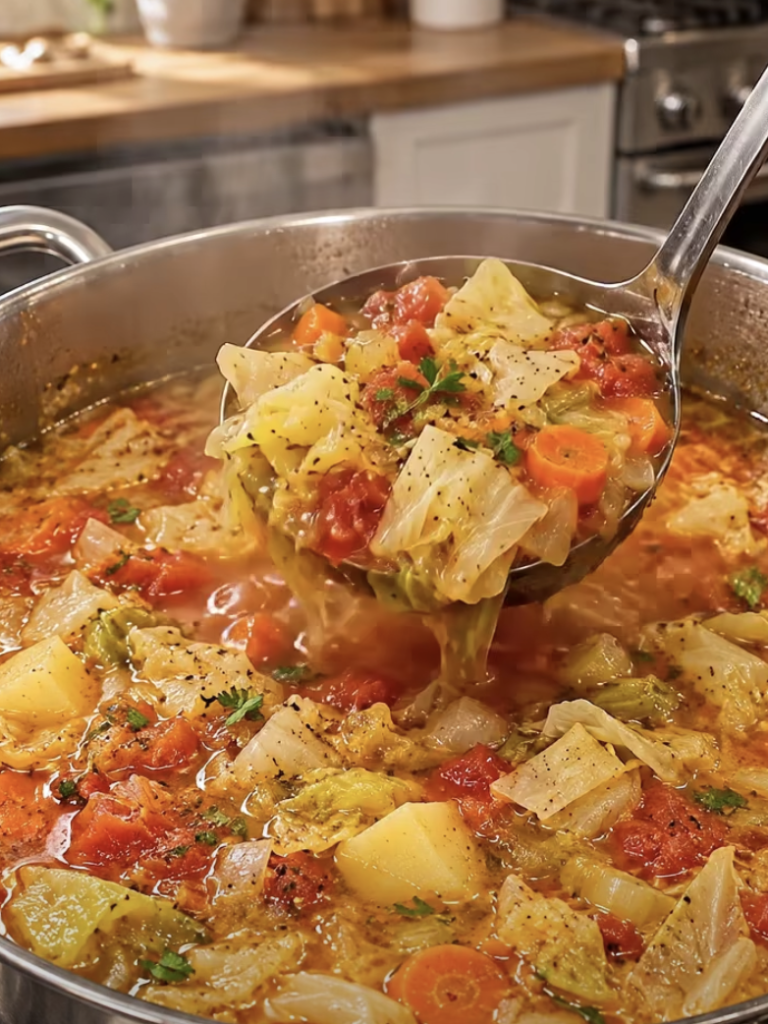
Golden onions, sweet carrots, and silky ribbons of cabbage turn a humble pot into something deeply comforting. Everything starts with a quick sauté in olive oil, then simmers gently in a tomato-kissed broth sparked with smoky paprika, thyme, and a pinch of chili heat (optional, but worth it). The result is a cozy, brothy bowl that tastes like real home cooking, no drive-thru required. A thick slice of crusty bread for dunking is practically mandatory.
Why You’ll Love This Recipe
Why make Cabbage Vegetable Soup tonight?
Cozy Cabbage Vegetable Soup That Warms You Right Up earns a spot in the weekly rotation thanks to budget-friendly ingredients, minimal effort, and a broth that tastes better with every spoonful.
- Big Flavor, Simple Pantry : Tomato paste, smoky paprika, thyme, and oregano build a savory, layered broth using ingredients most kitchens already have on hand.
- Ready in 45 Minutes : Just 15 minutes of chopping and 30 of gentle simmering put a full pot on the table, with only one pot to wash.
- Sauté First, Simmer Second : Softening onion, celery, and garlic in olive oil before adding liquid builds a sweet base that keeps the broth from tasting flat.
- Texture That Holds Up : Diced potatoes add body while the cabbage turns silky instead of mushy, as long as the soup simmers gently rather than boiling hard.
- Meal-Prep Friendly : Leftovers keep up to 5 days in the fridge or 3 months in the freezer, and the flavors taste even better the next day.
- Easy to Customize : Red pepper flakes add gentle heat and fresh parsley brightens each bowl, while skipping the chili keeps the pot kid-friendly.
Ingredient Notes
Great Cabbage Vegetable Soup starts with simple ingredients treated well, because each one has a job in building a broth that tastes slow-simmered even though it’s ready in 45 minutes. Here’s what each ingredient brings to the pot, plus a few tips for getting the best results.
The Vegetables
- Green cabbage : This adds a mild sweetness and silky texture once simmered. Choose a small, heavy head with tight, crisp leaves, and cut out the tough core before chopping.
- Potatoes : They give the broth body and make the soup more filling. Yukon Golds hold their shape best, while russets break down slightly and thicken the broth.
- Carrots : Carrots bring natural sweetness and color. Slice them evenly, about ¼ inch thick, so they cook at the same pace as the potatoes.
- Celery : Celery adds a savory, slightly herbal backbone to the broth. Chop in a few of the pale inner leaves too, since they carry plenty of flavor.
- Onion : Slowly softened onion builds the sweet base of the soup. Yellow onions are the most reliable choice, and white onions work in a pinch.
- Garlic : Fresh garlic gives the broth its warm, aromatic depth. Add it after the onion has softened and stir for about 30 seconds, since scorched garlic turns bitter.
The Broth and Pantry Staples
- Diced tomatoes : They add gentle acidity that balances the sweet vegetables. Don’t drain the can, because the juices are part of the broth, and fire-roasted tomatoes add extra smoky depth.
- Vegetable broth : The broth is the foundation, so quality matters. Use low-sodium broth to control the salt level, and swap in water plus an extra pinch of seasoning if needed.
- Olive oil : Olive oil carries flavor as the aromatics soften and gives the broth a rounded richness. Regular or extra-virgin both work well at medium heat.
- Tomato paste : This concentrated ingredient adds savory, umami depth. Stir it into the vegetables for a minute before adding the liquid so it darkens slightly and loses its raw edge.
The Seasonings
- Paprika : Paprika adds warm color and a subtle smokiness. Smoked paprika gives the most depth, but sweet paprika works if that’s what’s in the pantry.
- Dried thyme : Thyme brings an earthy, slightly floral note that suits root vegetables. Crush it between your fingers before adding it to release its oils, or use 1 tablespoon of fresh thyme leaves instead.
- Dried oregano : Oregano adds a peppery, savory edge that rounds out the tomato base. Dried oregano is more potent than fresh, so it’s the better choice for a simmered soup.
- Bay leaf : A single leaf adds a subtle background aroma that makes the broth taste more complex. Remove it before serving, as it stays tough and isn’t meant to be eaten.
- Salt : Salt brings out the sweetness of the vegetables and ties the flavors together. Season in stages and taste at the end, especially if the broth already contains sodium.
- Black pepper : It adds mild, lingering warmth. Freshly ground pepper has a brighter aroma than pre-ground, so add it near the end of cooking.
- Red pepper flakes (optional) : A small pinch adds gentle background heat without making the soup spicy. Leave them out for a kid-friendly pot, or pass extra flakes at the table.
- Fresh parsley : Stirred in at the end, parsley adds a bright, grassy contrast to the rich broth. Flat-leaf parsley has the best flavor, and the stems can be chopped finely and added too.
Quick note: Cut the vegetables into similar sizes so everything turns tender at the same time, and keep the simmer gentle so the cabbage stays silky rather than mushy.
Step-by-Step Instructions
- Heat the olive oil in a large 5- to 6-quart pot over medium heat, then add the diced onion and chopped celery. Sauté for 5 to 6 minutes, stirring often, until the onion turns soft and translucent.
- Stir in the minced garlic and tomato paste, then cook for about 1 minute. I like to wait until the paste darkens to a brick red and the garlic smells sweet, but not browned, since that’s where the deep savory flavor starts.
- Sprinkle in the paprika, dried thyme, dried oregano, and red pepper flakes (if using), then add the sliced carrots and diced potatoes. Stir for about 2 minutes so the vegetables are coated in the spices and the herbs smell fragrant.
- Pour in the vegetable broth and the diced tomatoes with their juices, then add the bay leaf, salt, and black pepper. Scrape up any browned bits from the bottom of the pot and bring everything to a gentle boil over medium-high heat.
- Add the chopped cabbage, which will look like too much at first but wilts down within a few minutes. Reduce the heat to medium-low, partially cover, and simmer for 20 to 25 minutes, until the potatoes are fork-tender and the cabbage is silky.
- Remove the bay leaf, then taste the broth and adjust with a little more salt or pepper. I usually let the soup rest off the heat for 5 minutes at this point, since the flavors settle and the broth thickens slightly.
- Stir in the fresh parsley and ladle the soup into warm bowls. Serve with crusty bread for dunking.
Tip: For a heartier, thicker broth, press a few potato cubes against the side of the pot with the back of a spoon during the last 5 minutes of simmering. The released starch gives the soup body without any cream or flour.
Remember: keep the simmer gentle and the vegetables evenly sized so the cabbage stays silky rather than mushy, and the soup tastes even better the next day.
Storage & Freezing
- Refrigerate: Cool the soup for 30 to 45 minutes, then transfer it to airtight containers within 2 hours of cooking. Leftover Cabbage Vegetable Soup keeps for 3 to 4 days in the fridge at its best, and up to 5 days if your fridge stays at 40°F or below. The flavors deepen overnight, but the potatoes keep soaking up broth, so the soup will be thicker the next day.
- Freeze: Portion the cooled soup into freezer-safe containers, leaving about 1 inch of headspace for expansion, and freeze for up to 3 months. The cabbage, carrots, and celery hold up well. Potatoes can turn slightly grainy after freezing, so I cut them a little larger and pull the pot a few minutes early when I know a batch is headed for the freezer. Leave out the fresh parsley, since it turns dull and limp, and stir it in after reheating.
- Thaw and reheat: Thaw frozen soup overnight in the fridge, then warm it in a pot over medium-low heat, stirring occasionally, until it’s steaming hot (165°F). Gentle heat keeps the cabbage silky instead of mushy. The microwave also works in 60-second bursts, stirring between each.
- Revive the flavor: Chilled soup often tastes flatter than it did fresh. Thin it with a splash of vegetable broth or water, taste, and add a pinch of salt, a crack of black pepper, or a little paprika if needed. Finish with fresh parsley, and the pot will taste close to freshly made.
Variations & Substitutions
This soup is forgiving, so adjust it to fit your pantry, your diet, or whatever sounds good tonight. These are the swaps that keep the broth balanced and the cabbage silky.
- Add plant-based protein : Stir in a drained, rinsed can of white beans or chickpeas during the last 10 minutes for extra protein and a heartier bowl.
- Try smoky meat : I sometimes brown diced smoked sausage or bacon in the pot first, then cook the onion in the drippings for a savory, meaty version.
- Keep it vegan, gluten-free : This soup is naturally vegan and dairy-free; just check your broth label for hidden gluten or additives if serving a gluten-free guest.
- Go lower-carb : Swap the potatoes for diced turnips or cauliflower florets to cut carbs; both soften a little faster, so start checking at 15 minutes.
- Use Italian seasoning : Without thyme and oregano, use 2 teaspoons of Italian seasoning instead; it delivers a similar herbal flavor with no other changes needed.
- Brighten with acid : I like a squeeze of lemon juice or a splash of apple cider vinegar in each bowl to brighten the broth, especially when reheating leftovers.
How I Love to Serve It
- Bowls and finishing touches: Ladle the soup into warm bowls. I rinse mine with hot tap water first, which keeps the broth steaming longer. Top each serving with fresh parsley, a thin drizzle of good olive oil, and a crack of black pepper. A small pinch of red pepper flakes on top also brings out the smoky paprika. Make sure the bay leaf is fished out before serving, so no one bites into it.
- Bread for dunking: This tomato-kissed broth is made for crusty bread, so choose something with a sturdy crumb, like sourdough, a baguette, or ciabatta. For extra flavor, toast thick slices and rub them with a cut garlic clove while they’re still hot. For a heartier meal, a grilled cheese cut into strips works well, since the sharp, melty cheese pairs nicely with the sweet carrots and silky cabbage.
- Make it a full meal: This Cabbage Vegetable Soup is light and brothy, so it pairs well with something sharp and fresh. An arugula salad with lemon vinaigrette gives you a peppery, acidic contrast to the soup’s gentle sweetness. If you want more protein, stir a scoop of white beans into each bowl, or top with shaved Parmesan or a spoonful of Greek yogurt. The tang plays well with the paprika.
- Drinks and occasions: A crisp, dry white wine like Pinot Grigio or Sauvignon Blanc keeps the pairing bright, and a light lager or hot herbal tea suits a cold night. The pot serves six, so it works for a weeknight dinner with leftovers for lunch. It’s also easy to set up as a casual gathering spread: keep the pot on the stove, then set out bowls, bread, parsley, Parmesan, and chili flakes so everyone can build their own.
Make-Ahead Tips for Cabbage Vegetable Soup
This Cabbage Vegetable Soup is perfect for meal prep, and the flavor deepens overnight, so planning ahead pays off. Chop the onion, celery, carrots, and cabbage up to 2 days in advance and refrigerate them in airtight containers, but cube the potatoes no more than 24 hours ahead and keep them submerged in cold water to prevent browning. For a full make-ahead batch, cook the soup completely, cool it for 30 minutes, then refrigerate for up to 5 days . Reheat gently over medium-low heat for 10 to 15 minutes, adding a splash of broth if it has thickened. Stir in fresh parsley before serving, and it will taste just as delicious as the day you made it.
Expert Tips
A few small habits make the biggest difference the first time you cook this Cabbage Vegetable Soup.
- Cut cabbage in squares : Chop it into 1-inch pieces instead of thin shreds, so it stays silky through the 25-minute simmer rather than turning limp and stringy.
- Bloom the spices : I stir the paprika, thyme, and oregano into the oil-coated vegetables for two minutes before adding broth, so the dried herbs taste rounded instead of dusty.
- Salt in stages : Vegetable broth varies widely in sodium, so start with the teaspoon of salt, then taste after the five-minute rest before adding more.
- Loosen leftovers gently : The potatoes keep absorbing broth overnight, so thin leftovers with a splash of water or broth as you reheat over medium-low heat.
- Freeze without parsley : Portion the cooled soup into containers and freeze it plain, then stir in fresh parsley after reheating so it stays bright and grassy.
Recipe FAQs
- Can I freeze this Cabbage Vegetable Soup? Yes, up to 3 months; add parsley after reheating.
- Which potatoes work best? Yukon Golds hold their shape beautifully.
- How do I keep the cabbage silky? Simmer gently and cut vegetables evenly.
- How do I thicken the broth without cream? I mash a few potato cubes against the pot.
- 0 Facebook
- 15 Pinterest
- 13 Email
- Copy Link
- 28 shares
Cozy Cabbage Vegetable Soup That Warms You Right Up
Ingredients
Instructions
Heat the olive oil in a large 5 to 6 quart pot over medium heat. Add the diced onion and chopped celery and sauté for 5 to 6 minutes, stirring often, until the onion is soft and translucent.
Stir in the minced garlic and tomato paste and cook about 1 minute, until the paste darkens to a brick red and the garlic is fragrant but not browned.
Sprinkle in the paprika, dried thyme, dried oregano, and red pepper flakes if using. Add the sliced carrots and diced potatoes and stir for about 2 minutes to coat the vegetables in the spices.
Pour in the vegetable broth and the diced tomatoes with their juices. Add the bay leaf, salt, and black pepper. Scrape up any browned bits from the bottom of the pot and bring to a gentle boil over medium high heat.
Add the chopped cabbage, which will wilt down. Reduce heat to medium low, partially cover, and simmer gently for 20 to 25 minutes, until potatoes are fork tender and cabbage is silky.
Remove and discard the bay leaf. Taste and adjust salt and pepper. Let the soup rest off the heat for 5 minutes so flavors settle and the broth thickens slightly.
Stir in the fresh parsley and ladle into warm bowls. Serve with crusty bread for dunking.
Notes
Cut cabbage into 1 inch squares rather than thin shreds so it stays silky through the simmer.
Bloom the spices by stirring paprika, thyme, and oregano into the oil coated vegetables for about two minutes to deepen their flavor.
Salt in stages since vegetable broth sodium varies; start with 1 teaspoon and adjust after the five minute rest.
For a thicker broth, press a few potato cubes against the pot wall with the back of a spoon during the last 5 minutes to release starch.
Leftovers keep 3 to 4 days in the fridge and up to 3 months in the freezer. Freeze without parsley and stir fresh parsley in after reheating.
To revive refrigerated leftovers, thin with a splash of water or broth and warm gently so the cabbage stays silky.
Nutrition
| Serving Size | 1 bowl (about 1 1/2 cups) |
|---|---|
| Calories | 150 kcal |
| Sugar Content | 6 g |
| Sodium Content | 550 mg |
| Fat Content | 5 g |
| Saturated Fat Content | 0.5 g |
| Unsaturated Fat Content | 4.5 g |
| Trans Fat Content | 0 g |
| Carbohydrate Content | 25 g |
| Fiber Content | 5 g |
| Protein Content | 4 g |
| Cholesterol Content | 0 mg |