- 0 Facebook
- 5 Pinterest
- 107 Email
- Copy Link
- 112 shares
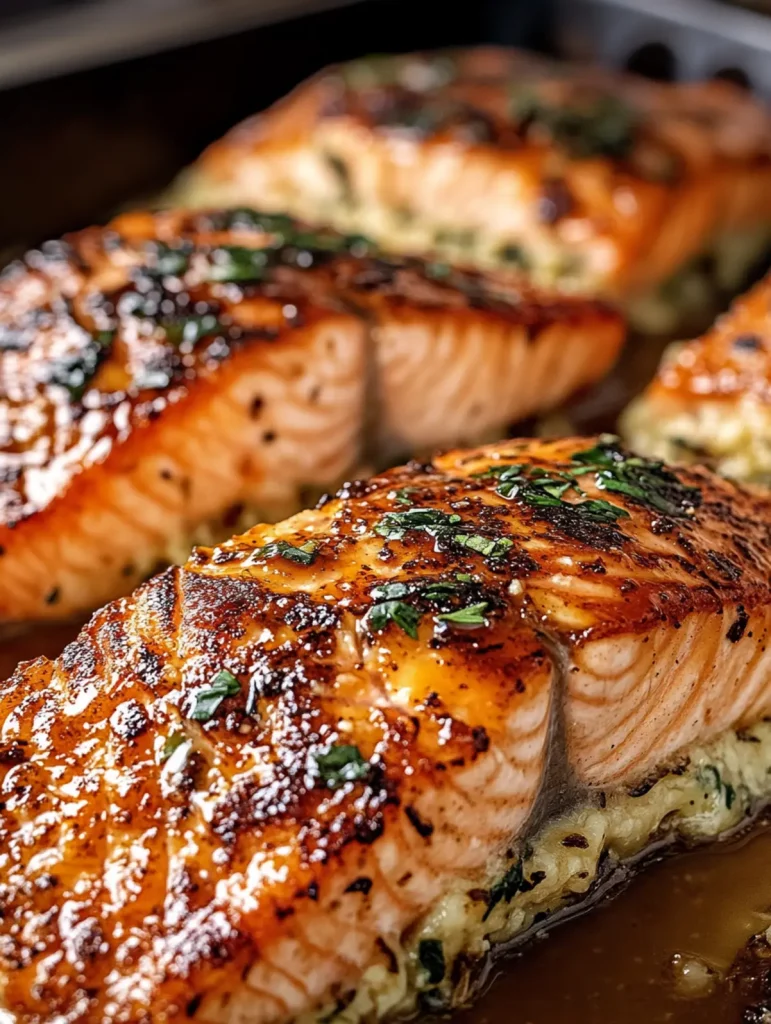
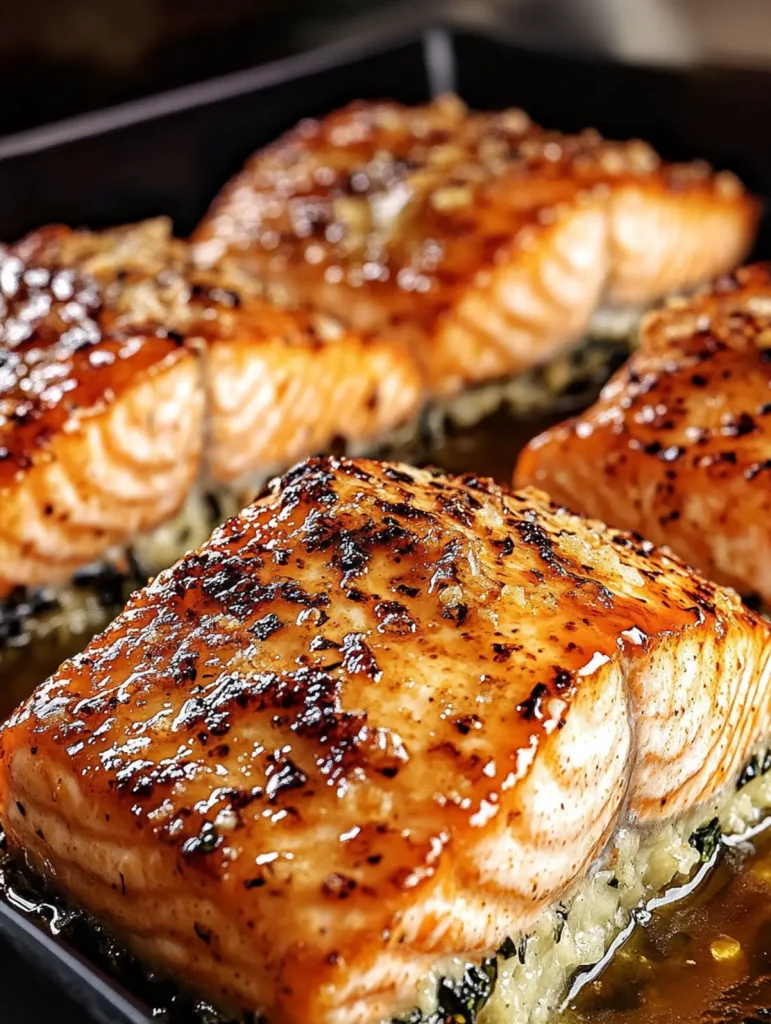
Sweet, salty, and caramelized at the edges, these brown sugar glazed salmon fillets bake up impossibly tender, with a savory stuffing tucked right inside (a little surprise in every bite). The glaze, a simple mix of brown sugar, soy sauce, and garlic, turns glossy and golden in the oven , so the whole thing feels restaurant-worthy without any fuss. Spoon it over steamed vegetables and fluffy rice, and dinner is done in about 25 minutes.
Why You’ll Love This Recipe
Why Make Brown Sugar Glazed Stuffed Salmon?
If you’re tired of takeout and fast food, this is the kind of homemade dinner that feels special without demanding much from you. It brings restaurant-style caramelization and a hidden savory filling to a simple weeknight, and here’s why it earns a spot in your rotation:
- Sweet-Salty Balance : Brown sugar mellows the soy sauce’s salt, while garlic powder and black pepper add savory depth, so every bite tastes layered rather than one-note.
- Fast Weeknight Dinner : With just 10 minutes of prep and 15 in the oven , this easy recipe gets dinner on the table in about 25 minutes.
- Moisture Locked Inside : The stuffing acts as a built-in moisture reservoir, helping the fillet stay juicy and flaky even if the oven runs a touch hot.
- Glaze That Caramelizes : Spooning leftover glaze over the fillets before baking creates glossy, golden edges. Pat the salmon dry first so the sugar clings instead of sliding off.
- Pantry-Friendly Ingredients : Brown sugar, soy sauce, black pepper, and garlic powder are likely already in your kitchen, so only the salmon and stuffing need a shopping trip.
- Easy Leftovers : Cooled portions keep in an airtight container for up to 2 days, and a gentle reheat in the oven preserves that tender, flaky texture.
Ingredient Notes
With only five ingredients, quality matters, because each one has a clear job in this Brown Sugar Glazed Stuffed Salmon. Here’s what each one does and how to get the best results from it.
The Star
- Salmon fillets (4) : Salmon gives the dish its rich, buttery base and sturdy flakes that hold a filling well. Look for evenly thick, center-cut fillets of about 6 ounces each, which cook at the same pace and are easy to slit into a pocket. Pat them very dry before stuffing and glazing so the sugar clings. If using frozen, thaw overnight in the fridge. Arctic char or steelhead trout make good swaps.
The Glaze and Seasoning
- Brown sugar (¼ cup) : This is the caramelizing agent, giving the fillets their glossy, golden edges and a gentle molasses sweetness. Light brown sugar keeps the flavor balanced, while dark brown sugar adds a deeper, almost toffee-like note. Pack it into the measuring cup for accuracy. In a pinch, coconut sugar works 1:1, or use a little honey or maple syrup, though the glaze will be slightly thinner.
- Soy sauce (2 tablespoons) : Soy sauce brings salt and umami, which keep the sweetness from tasting flat and help the glaze brown. Low-sodium soy sauce gives better control over the final seasoning, especially if your stuffing is already salty. For a gluten-free version, use tamari.
- Black pepper (¼ teaspoon) : A small amount adds gentle warmth and a subtle bite that cuts through the sweetness. Freshly ground pepper has a brighter aroma than pre-ground, so grind it right before mixing the glaze. Taste the glaze before using it, and add a pinch more if you like a bolder finish.
- Garlic powder (¼ teaspoon) : Garlic powder dissolves smoothly into the glaze, spreading savory depth evenly without the risk of burnt garlic bits in the oven . Make sure you’re using garlic powder, not garlic salt, which would push the dish too salty. If you only have fresh garlic, 1 finely minced clove can stand in, but watch the edges so they don’t darken too quickly.
Note: The stuffing is up to you. A simple mix of herbs, breadcrumbs, or sautéed greens works well, so choose fillings that lean savory to contrast with the sweet glaze.
How to Make Brown Sugar Glazed Stuffed Salmon, Irresistibly Tender
- Preheat the oven to 400°F (200°C) and line a baking dish with parchment or lightly grease it. Letting the oven come fully to temperature helps the glaze caramelize rather than melt into the pan.
- Whisk the brown sugar, soy sauce, black pepper, and garlic powder in a small bowl until the sugar mostly dissolves. It’s normal for the glaze to look thin at this stage, since it thickens and turns glossy in the oven.
- Pat the salmon fillets completely dry with paper towels, then use a sharp knife to cut a horizontal pocket into the side of each one, going about ¾ of the way through. I like to keep the edges intact so the stuffing stays tucked inside.
- Brush a little glaze inside each pocket, then spoon in 2 to 3 tablespoons of your savory stuffing. Don’t overfill; the fillet should close gently, and a toothpick or two will hold it shut if needed.
- Set the fillets in the baking dish and brush the tops generously with glaze. Reserve 2 tablespoons in a separate bowl before the brush touches raw fish, so you have a clean glaze for finishing.
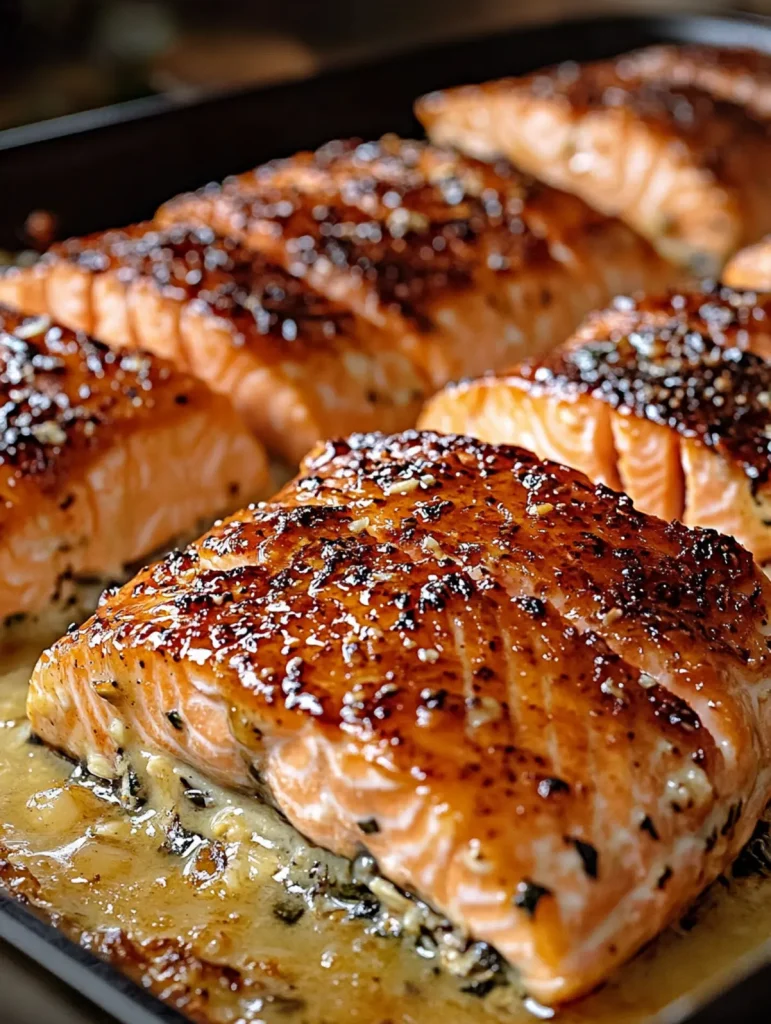
- Bake for about 15 minutes, until the glaze bubbles at the edges and the salmon flakes easily with a fork (or reads 145°F in the thickest part). I usually check at the 12-minute mark, since thinner fillets can finish a little early.
- Rest the salmon for 3 to 5 minutes, then remove the toothpicks and drizzle with the reserved glaze. Serve over fluffy rice with steamed vegetables, and spoon any glossy pan juices on top.
Tip: If the glaze is browning faster than the salmon is cooking, tent the dish loosely with foil for the last few minutes. Sugar darkens quickly, and a light cover keeps the edges golden instead of too dark.
Reminder: If your stuffing includes raw ingredients like onions or greens, cook them first and let the mixture cool slightly before filling the fillets. This keeps the salmon from steaming unevenly and helps everything finish at the same time.
Make It Your Way
This recipe is flexible, so adjust it to fit your pantry, your dietary needs, or whatever flavors you’re craving. These swaps keep the sweet-salty balance and cook times intact.
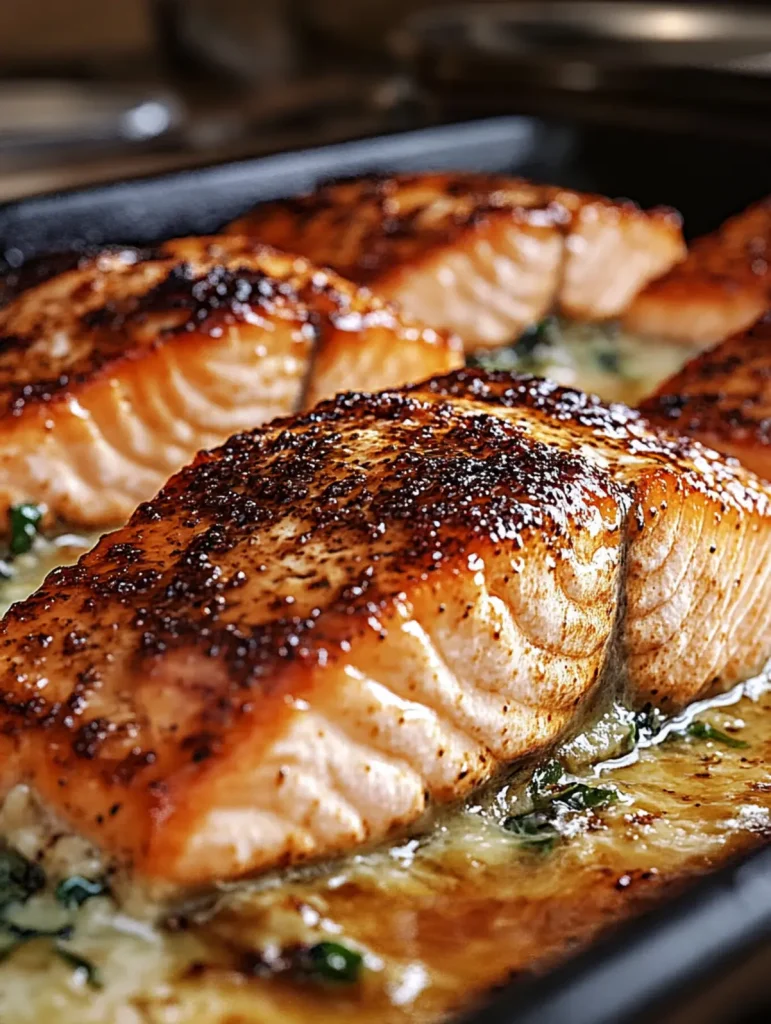
- Creamy spinach stuffing : Sauté baby spinach, squeeze it dry, then fold it into softened cream cheese for a creamy, savory filling that contrasts nicely with the sweet glaze.
- Gluten-free version : Swap breadcrumbs for cooked quinoa or wild rice mixed with sautéed mushrooms, and use tamari in the glaze for a fully gluten-free dinner.
- Lower-carb option : Use a granulated brown sugar substitute 1:1 and a mushroom-cream cheese filling. The glaze caramelizes less, but the flavor stays rich.
- Add gentle heat : I whisk ½ teaspoon sriracha or a pinch of red pepper flakes into the glaze when I want a sweet-spicy kick.
- Brighten with ginger : I stir 1 teaspoon grated fresh ginger and a squeeze of orange juice into the glaze for brighter, Asian-inspired flavor.
- Dairy-free filling : Skip the cheese and use sautéed shallots, chopped toasted pecans, and fresh parsley for a dairy-free stuffing with great crunch.
Serving Suggestions
- Plate it over rice: Spoon fluffy jasmine or basmati rice into a shallow bowl, set one fillet on top, and pour the glossy pan juices over both so the rice soaks up the glaze. Finish with the reserved glaze, thinly sliced scallions, and a pinch of toasted sesame seeds. Check that every toothpick is out before plating. Because the fillet is stuffed, one per person is a generous portion, so I slice one open at the table to show off the filling.
- Add something bright and crisp: This dish is sweet, salty, and rich, so acidity and crunch keep it from feeling heavy. A quick cucumber salad dressed with rice vinegar, or steamed green beans or broccoli finished with a squeeze of lemon, cuts through the caramelized glaze. For a heartier plate, roasted asparagus or sautéed bok choy with a little garlic goes well with the soy notes. I always put a lemon wedge on the plate, since a little juice over the salmon wakes up the flavors.
- Pour a drink with some acidity: A dry or off-dry Riesling echoes the brown sugar sweetness while its acidity refreshes your palate between bites. If you prefer red, a light, chilled Pinot Noir won’t overpower the salmon. For a non-alcoholic option, sparkling water with lime or unsweetened iced green tea keeps the meal feeling light.
- Match the serving style to the occasion: For a weeknight, rice and one vegetable on a single plate keeps cleanup minimal. For date night or guests, serve the fillets on a warm platter with the vegetables fanned alongside, so the glazed tops are the first thing everyone sees. Serve them straight from the oven after the short rest, while the glaze is still glossy and the stuffing is warm.
Tips for the Best Brown Sugar Glazed Stuffed Salmon, Irresistibly Tender
- Pick evenly thick fillets : Center-cut pieces cook at the same pace. If a fillet tapers into a thin tail, fold it under before stuffing so it doesn’t dry out.
- Cool the stuffing first : Warm filling starts cooking the salmon from the inside. I make the stuffing before slicing the pockets, so it’s fully cooled when it goes in.
- Choose low-sodium soy sauce : The glaze reduces and concentrates in the oven, and savory fillings like cheese or bacon add salt too. Low-sodium keeps the final flavor balanced.
- Line the dish with parchment : Melted brown sugar hardens like candy on bare glass. Parchment makes cleanup easy and lets you spoon the glossy pan juices over your rice.
- Broil for deeper color : If you want darker caramelization, I broil for 30 to 60 seconds after baking. Stay close, because sugar goes from amber to burnt fast.
- Count your toothpicks : Note how many you insert so none end up on a plate. Remove them all during the rest, before drizzling on the reserved glaze.
Storage & Freezing
- Refrigerator : Let the fillets cool for about 20 minutes, then store them in a shallow airtight container for up to 2 days. Place parchment between layers so the sticky glaze doesn’t weld them together. Leftover Brown Sugar Glazed Stuffed Salmon stays flavorful, but the glaze turns tacky and the stuffing softens as it absorbs moisture. That’s normal.
- Freezer: Wrap each cooled fillet tightly in plastic wrap, then foil, and freeze for up to 2 months. The brown sugar and soy glaze freezes beautifully, but breadcrumb-based stuffing turns softer after thawing, and watery fillings like spinach can weep. I squeeze sautéed greens dry before stuffing if I know I’ll freeze a few portions. Thaw overnight in the fridge, never on the counter.
- Reheating: Place the fillets in a baking dish , add a teaspoon of water, and cover loosely with foil. Warm at 275°F (135°C) for 12 to 15 minutes, until heated through (165°F is the USDA’s recommendation for leftovers). The low, gentle heat keeps the flakes tender, while the microwave tends to make salmon rubbery and strong-smelling.
- Reviving the glaze: Sugar-based glazes dull in the fridge. I save a spoonful of fresh glaze when cooking, or stir a splash of soy sauce and water into a pinch of brown sugar, then brush it on during the last 3 minutes uncovered. The edges turn glossy again.
Make Ahead Options
Brown Sugar Glazed Stuffed Salmon is perfect for meal prep, so you can cut your weeknight work down to the oven! Whisk the glaze (brown sugar, soy sauce, pepper, and garlic powder) and refrigerate it in a sealed jar for up to 3 days , then stir well before using. Cook and cool the stuffing, then refrigerate it for up to 24 hours to prevent sogginess. For best texture, stuff the fillets up to 8 hours ahead, cover tightly, and refrigerate (wait to brush on the glaze so the sugar doesn’t draw out moisture). Before serving, bring the fish to room temperature for 15 minutes, glaze, and bake as directed, just as delicious as fresh.
Common Questions About Brown Sugar Glazed Stuffed Salmon, Irresistibly Tender
- Can I use frozen salmon fillets? Yes, thaw overnight in the fridge first.
- How do I know the salmon is done? I check at 12 minutes; aim for 145°F.
- Why is my glaze browning too fast? Tent loosely with foil for the last minutes.
- How long do leftovers keep? Up to 2 days, refrigerated in an airtight container.
- 0 Facebook
- 5 Pinterest
- 107 Email
- Copy Link
- 112 shares
Brown Sugar Glazed Stuffed Salmon, Irresistibly Tender
Ingredients
Instructions
Preheat the oven to 400°F (200°C) and line a baking dish with parchment or lightly grease it so the glaze caramelizes instead of melting into the pan.
Whisk the brown sugar, soy sauce, black pepper, and garlic powder in a small bowl until the sugar mostly dissolves; the glaze will look thin now but thickens and turns glossy in the oven.
Pat the salmon fillets completely dry with paper towels, then use a sharp knife to cut a horizontal pocket into the side of each one, going about ¾ of the way through while keeping the edges intact so the stuffing stays tucked inside.
Brush a little glaze inside each pocket, then spoon in 2 to 3 tablespoons of your savory stuffing; do not overfill and close the fillet gently, securing with a toothpick if needed.
Set the fillets in the baking dish and brush the tops generously with glaze, reserving 2 tablespoons in a separate bowl before the brush touches raw fish so you have a clean glaze for finishing.
Bake for about 15 minutes, until the glaze bubbles at the edges and the salmon flakes easily with a fork or reaches 145°F in the thickest part; check at 12 minutes for thinner fillets.
Rest the salmon for 3 to 5 minutes, remove any toothpicks, and drizzle with the reserved glaze. Serve over fluffy rice with steamed vegetables and spoon any glossy pan juices on top.
If the glaze is browning faster than the salmon cooks, tent the dish loosely with foil for the last few minutes to keep edges golden instead of too dark.
Reminder: If your stuffing includes raw ingredients like onions or greens, cook them first and let the mixture cool slightly before filling the fillets to avoid uneven steaming.
Notes
Pick evenly thick fillets or fold thin tails under so pieces cook at the same pace.
Cool the stuffing before filling so it doesn’t start cooking the salmon from the inside.
Choose low-sodium soy sauce to keep the final flavor balanced, especially if the stuffing adds salt.
Line the dish with parchment for easier cleanup and to prevent melted brown sugar from hardening on the pan.
For deeper color, broil 30 to 60 seconds after baking—watch closely to avoid burning the sugar.
Storage: Refrigerate cooled fillets in a shallow airtight container for up to 2 days with parchment between layers; freeze wrapped tightly for up to 2 months and thaw overnight in the fridge.
Reheating: Warm at 275°F (135°C) for 12 to 15 minutes covered with foil, adding a teaspoon of water to keep flakes tender; USDA recommends reheating leftovers to 165°F.
Revive the glaze by saving a spoonful when cooking or by stirring a splash of soy sauce and water into a pinch of brown sugar and brushing it on during the last few minutes.
Nutrition
| Serving Size | 1 fillet |
|---|---|
| Calories | 420 kcal |
| Sugar Content | 6 g |
| Sodium Content | 450 mg |
| Fat Content | 26 g |
| Saturated Fat Content | 5 g |
| Unsaturated Fat Content | 21 g |
| Trans Fat Content | 0 g |
| Carbohydrate Content | 7 g |
| Fiber Content | 0 g |
| Protein Content | 38 g |
| Cholesterol Content | 110 mg |