- 0 Facebook
- 0 Pinterest
- 0 Email
- Copy Link
- 0 shares
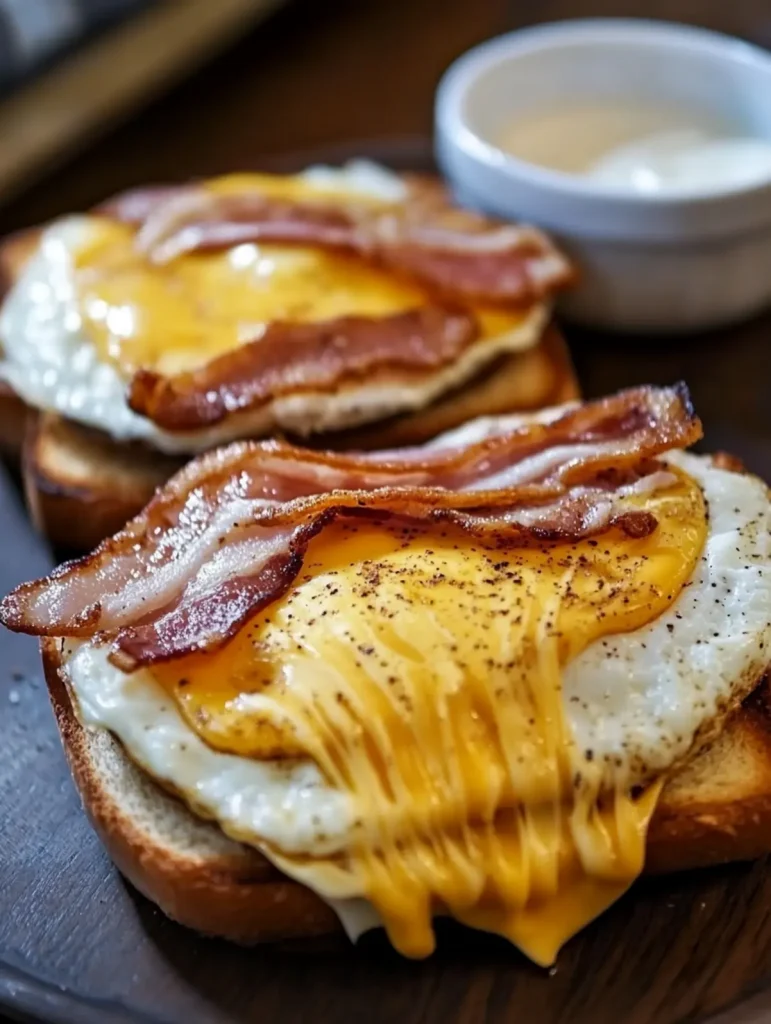
Crispy bacon, fluffy eggs, and melted cheese sandwiched between perfectly toasted bread—the ultimate morning trifecta that never disappoints. This classic breakfast sandwich delivers a satisfying combination of savory flavors and contrasting textures in every bite. The beauty lies in its simplicity—bacon rendered to crispy perfection, eggs cooked in the flavorful drippings, and cheese that turns delightfully gooey when assembled. Pair with fresh fruit or crispy breakfast potatoes for a homemade meal that puts fast food versions to shame.
Why It Works — And Why It Tastes Amazing
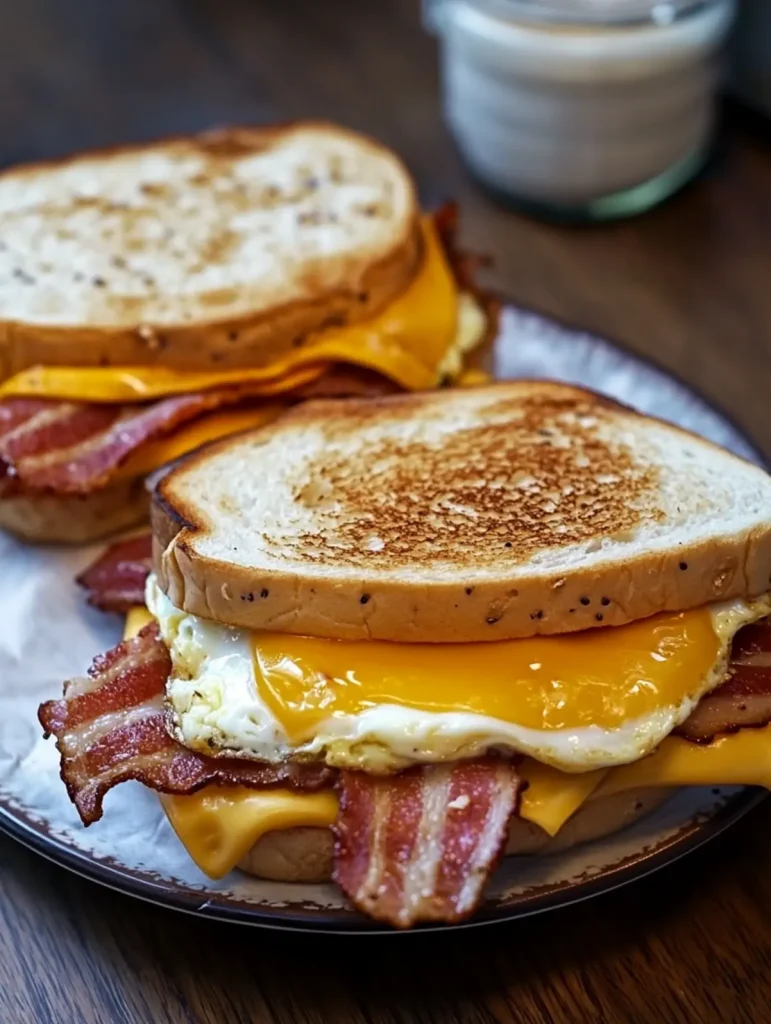
The perfect bacon, egg and cheese sandwich balances simplicity with incredible flavor – something you’ll achieve every time with this foolproof method.
- Flavor-Maximizing Technique : Cooking the eggs in bacon fat infuses them with smoky richness that store-bought versions simply can’t match.
- Time-Saving Efficiency : The entire process takes just 20 minutes from start to finish, making this a realistic option even on hectic weekday mornings.
- Customization Champion : Each family member can personalize their sandwich with different cheese varieties or egg doneness without any extra cooking time.
- Texture Perfection : The contrasting elements of crispy bacon, fluffy eggs, melty cheese and toasted bread create a satisfying mouthfeel that elevates this beyond basic breakfast.
- Portable Power : These sandwiches can be wrapped in parchment paper for an on-the-go breakfast that stays intact and delicious during the morning commute.
Ingredient Breakdown with Tips
The ultimate bacon egg & cheese sandwich relies on quality ingredients working together perfectly. Each component plays an essential role in creating that perfect morning bite that satisfies both hunger and cravings.
- Bacon : Thick-cut bacon provides the best texture and meaty flavor for this sandwich. Look for center-cut bacon with a good balance of fat and meat for optimal crispiness without excessive shrinkage.
- Eggs : Large eggs offer the ideal protein-to-yolk ratio for sandwich building. For best results, bring eggs to room temperature before cooking to prevent uneven cooking and promote fluffier texture.
- Sandwich bread : A sturdy white or sourdough bread holds up best to the hearty fillings in a bacon, egg and cheese sandwich. Toast the bread lightly before assembly to create a moisture barrier that prevents sogginess.
- Cheddar or American cheese : American cheese melts more smoothly, while cheddar delivers sharper flavor. Pre-sliced options work perfectly, but freshly sliced from a block provides superior melt and taste.
- Butter or oil : Butter adds rich flavor when cooking eggs, while neutral oil has a higher smoke point for crispier results. For the best of both worlds, use a combination of the two.
- Salt : Kosher salt is preferred by professional chefs for its clean taste and easy pinch control. Season eggs just before cooking for maximum flavor penetration.
- Black pepper : Freshly ground black pepper provides brighter, more complex flavor than pre-ground varieties. A medium-coarse grind offers the perfect balance of heat and aroma.
How to Make Ultimate Bacon Egg & Cheese Sandwich Guide for Busy Mornings
- Cook the bacon in a large skillet over medium heat until crispy, about 8-10 minutes, turning occasionally. I find starting with a cold pan helps render the fat more evenly for perfectly crisp results.
- Transfer the cooked bacon to a paper towel-lined plate, but leave about 1 tablespoon of bacon fat in the pan for cooking the eggs.
- Crack the eggs into the same skillet with the bacon fat and cook over medium heat. For sandwich-friendly eggs, break the yolks and cook until set but still slightly soft in the center, about 3-4 minutes.
- Toast the bread slices either in a toaster or in a separate pan with a bit of butter until golden brown and crisp around the edges.
- Season the eggs with salt and pepper to taste just before they finish cooking – this timing ensures the seasoning doesn’t draw out moisture prematurely.
- Place a slice of cheese on top of each egg while still hot in the pan. Cover with a lid for about 30 seconds to help the cheese melt perfectly without overcooking the eggs.
- Assemble each sandwich by placing two slices of bacon on one piece of toast, topping with the cheesy egg, and finishing with the second slice of toast.
- Cut diagonally and serve immediately for that perfect bite with all layers. These sandwiches are best enjoyed fresh while the contrast between crispy bacon and melty cheese is at its peak.
Expert Tips
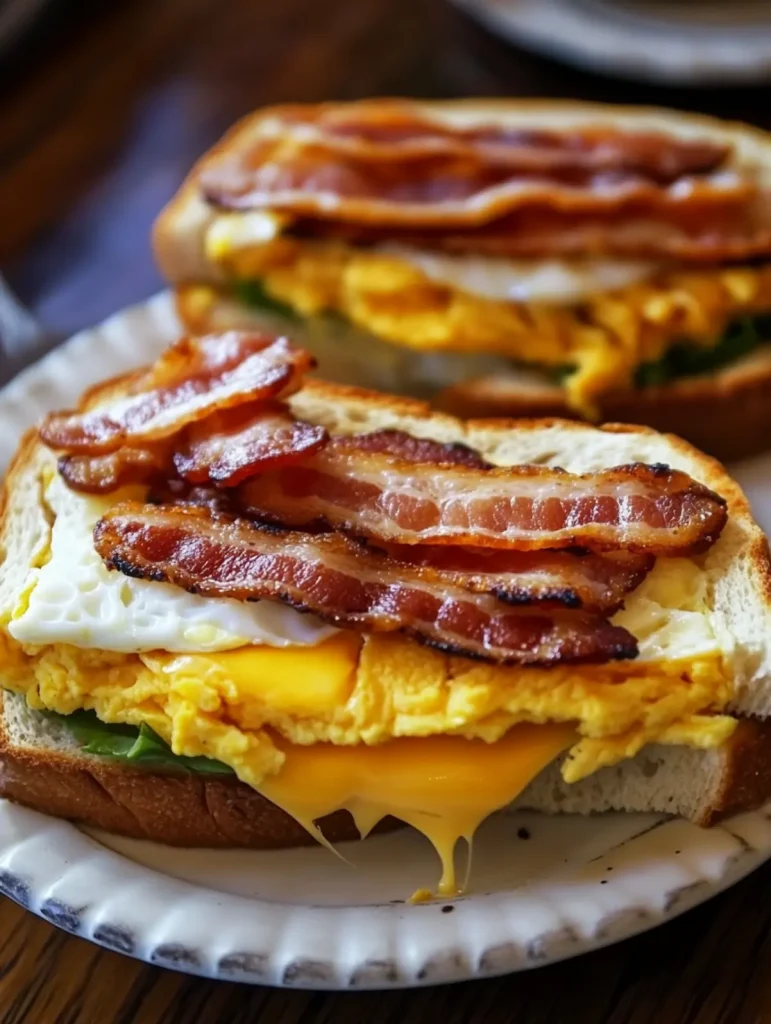
Master the art of the perfect breakfast sandwich with these proven techniques:
- Cold Pan Bacon Method : Starting bacon in a cold pan slowly renders more fat for evenly crispy strips – I’ve found this makes a huge difference compared to preheating first.
- Save That Bacon Fat : Reserve a tablespoon of bacon fat for cooking the eggs – it adds a smoky depth that transforms basic eggs into something restaurant-worthy.
- Cheese Melting Trick : Place cheese on hot eggs, then cover with a lid for 30 seconds. This creates perfect melty cheese without overcooking your eggs or using the microwave.
- Strategic Assembly Order : Place bacon on the bottom slice of toast before adding the egg – this creates a moisture barrier that keeps your bread from getting soggy.
- Diagonal Cut Matters : Cutting your bacon, egg and cheese sandwich diagonally isn’t just for looks – it creates the perfect bite ratio of all ingredients while making it easier to handle.
Serving Suggestions
These bacon, egg and cheese sandwiches are perfect on their own, but a few thoughtful pairings can transform them from a quick breakfast to a memorable meal.
For weekday mornings, I love serving these sandwiches with a side of fresh seasonal fruit – berries in summer or citrus sections in winter provide a refreshing contrast to the savory richness. The acidity helps cut through the hearty flavors of bacon and cheese while adding nutritional balance.
If you’re hosting brunch, arrange the sandwiches on a wooden cutting board alongside crispy breakfast potatoes or hash browns. The textural contrast between the sandwich and the crunchy potatoes creates a diner-style experience at home. For an extra touch, offer small ramekins of hot sauce, maple syrup (trust me, a tiny drizzle works magic with the bacon), or homemade aioli for dipping.
For a complete breakfast experience, pair with a hot beverage – the sandwich’s savory notes are beautifully complemented by coffee’s bitterness or the gentle sweetness of chai tea. Using the same skillet you cooked the bacon in to quickly sauté some spinach or roasted tomatoes creates a simple but elevated side that utilizes all those delicious bacon flavors.
Storage & Freezing
These bacon, egg and cheese sandwiches are best enjoyed fresh, but with proper storage techniques, you can still enjoy them later. Proper handling preserves both texture and flavor when you need breakfast solutions for busy days.
For refrigeration, wrap completely cooled sandwiches individually in parchment paper, then place in an airtight container for up to 2 days. The bread will soften somewhat, but this method minimizes sogginess better than plastic wrap. I’ve found that separating components (storing bacon and eggs separately from bread) works even better if you have the extra minute for reassembly.
While full sandwiches don’t freeze well (the bread texture suffers dramatically), you can prep and freeze components separately. Cooked bacon freezes beautifully for up to 1 month when layered between parchment paper in a freezer bag. For reheating, warm refrigerated sandwiches in a 350°F oven for 8-10 minutes or use a skillet with a lid over medium-low heat to restore crispness while thoroughly warming the center.
Variations & Substitutions
Don’t feel limited by the classic recipe—breakfast sandwiches are incredibly adaptable to what you have on hand or your dietary preferences!
- Bread Options : While standard sandwich bread works perfectly, try English muffins for nooks that capture melty cheese, bagels for a heartier sandwich, or sourdough for tangy flavor. I often use croissants when I want to make breakfast feel extra special.
- Cheese Varieties : American and cheddar are classics, but don’t stop there! Try pepper jack for a spicy kick, Swiss for nutty flavor, or gouda for smokiness. For dairy-free needs, plant-based slices now melt surprisingly well.
- Egg Preparations : Beyond basic fried eggs, try scrambled for easier eating, over-easy for runny yolk lovers, or even folded omelette-style with finely chopped vegetables mixed in. For egg-free versions, firm tofu seasoned with black salt makes a convincing substitute.
- Meat Alternatives : Turkey bacon offers a leaner option, while vegetarians can use tempeh bacon, avocado slices, or portobello mushrooms sautéed in the same seasonings as bacon for that umami quality.
- Flavor Boosters : Elevate your sandwich with spreads like sriracha mayo, pesto, or avocado mash. A handful of fresh arugula or a few slices of ripe tomato add brightness that balances the richness.
- Make It Keto : Skip the bread and wrap your sandwich ingredients in a large lettuce leaf, or create a “bread” from beaten eggs cooked thin like a crepe for a low-carb alternative that still delivers all the flavor.
Make Ahead Options for Bacon Egg & Cheese Sandwiches
These bacon, egg and cheese sandwiches are a meal prep game-changer for busy mornings! You can cook the bacon up to 3 days ahead and store it in the refrigerator in an airtight container (simply reheat in a dry skillet for 1-2 minutes to restore crispiness). The bread can also be pre-sliced and frozen for up to one month, then toasted directly from frozen. For ultimate convenience, assemble complete sandwiches the night before, wrap individually in parchment paper, and refrigerate for up to 24 hours. When ready to serve, unwrap and heat in a 350°F oven for 8-10 minutes, and you’ll have restaurant-quality bacon egg & cheese sandwiches with minimal morning effort.
Recipe FAQs
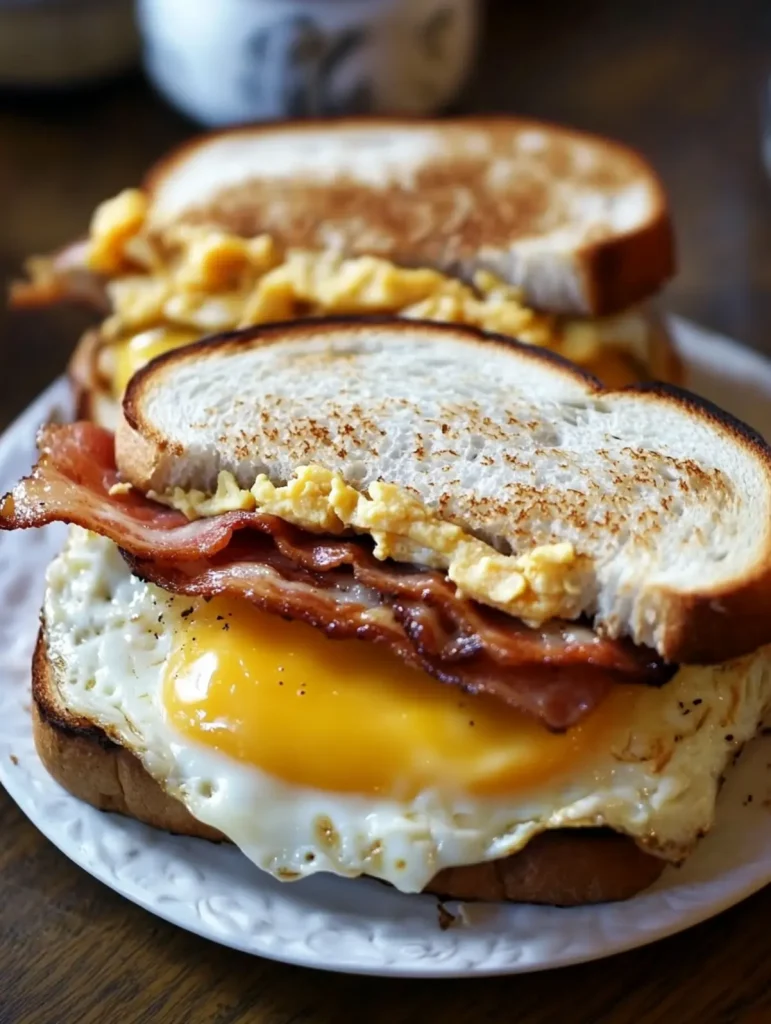
Why start with a cold pan for bacon? It renders fat more evenly for perfectly crisp results.
Can I make these sandwiches ahead of time? Yes, store assembled sandwiches for up to 2 days refrigerated.
What’s the best cheese to use? American melts smoothly; cheddar provides sharper flavor.
How do I keep my bread from getting soggy? Toast it first to create a moisture barrier.
Why cover the eggs with cheese and a lid? Creates perfect melty cheese without overcooking eggs.
Can I use turkey bacon instead? Yes, but you’ll need to add butter for egg-cooking.
- 0 Facebook
- 0 Pinterest
- 0 Email
- Copy Link
- 0 shares
Ultimate Bacon Egg & Cheese Sandwich Guide for Busy Mornings
Ingredients
Instructions
Cook the bacon in a large skillet over medium heat until crispy, about 8-10 minutes, turning occasionally. I find starting with a cold pan helps render the fat more evenly for perfectly crisp results.
Transfer the cooked bacon to a paper towel-lined plate, but leave about 1 tablespoon of bacon fat in the pan for cooking the eggs.
Crack the eggs into the same skillet with the bacon fat and cook over medium heat. For sandwich-friendly eggs, break the yolks and cook until set but still slightly soft in the center, about 3-4 minutes.
Toast the bread slices either in a toaster or in a separate pan with a bit of butter until golden brown and crisp around the edges.
Season the eggs with salt and pepper to taste just before they finish cooking – this timing ensures the seasoning doesn’t draw out moisture prematurely.
Place a slice of cheese on top of each egg while still hot in the pan. Cover with a lid for about 30 seconds to help the cheese melt perfectly without overcooking the eggs.
Assemble each sandwich by placing two slices of bacon on one piece of toast, topping with the cheesy egg, and finishing with the second slice of toast.
Cut diagonally and serve immediately for that perfect bite with all layers. These sandwiches are best enjoyed fresh while the contrast between crispy bacon and melty cheese is at its peak.
Notes
Cold Pan Bacon Method : Starting bacon in a cold pan slowly renders more fat for evenly crispy strips – I’ve found this makes a huge difference compared to preheating first.
Save That Bacon Fat : Reserve a tablespoon of bacon fat for cooking the eggs – it adds a smoky depth that transforms basic eggs into something restaurant-worthy.
Cheese Melting Trick : Place cheese on hot eggs, then cover with a lid for 30 seconds. This creates perfect melty cheese without overcooking your eggs or using the microwave.
Strategic Assembly Order : Place bacon on the bottom slice of toast before adding the egg – this creates a moisture barrier that keeps your bread from getting soggy.
Diagonal Cut Matters : Cutting your bacon, egg and cheese sandwich diagonally isn’t just for looks – it creates the perfect bite ratio of all ingredients while making it easier to handle.
Nutrition
| Serving Size | 1 sandwich |
|---|---|
| Calories | 450 calories |
| Sugar Content | 2g |
| Sodium Content | 800mg |
| Fat Content | 30g |
| Saturated Fat Content | 15g |
| Unsaturated Fat Content | 10g |
| Trans Fat Content | 0g |
| Carbohydrate Content | 30g |
| Fiber Content | 2g |
| Protein Content | 20g |
| Cholesterol Content | 300mg |