- 0 Facebook
- 9 Pinterest
- 0 Email
- Copy Link
- 9 shares
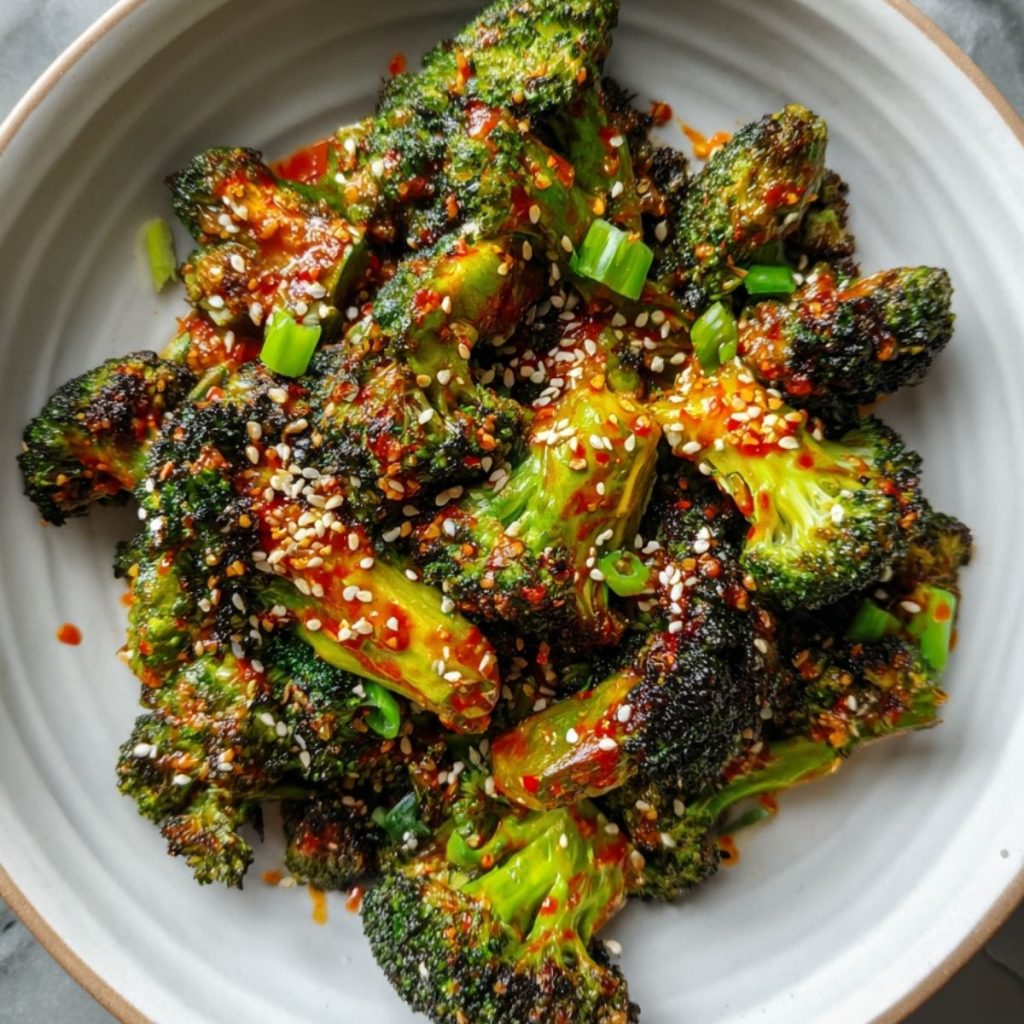
I’ve discovered that making Gochujang Broccoli is a breeze, with its simple preparation, vibrant ingredients, and bold, spicy-sweet flavors that make it simply irresistible.
My journey with Gochujang Broccoli began on a chilly winter evening when I wanted a warming dish that promised more than just comfort. During an adventurous experiment with flavors, I stumbled upon this exceptional recipe that blends fiery Korean gochujang with the fresh, crisp taste of broccoli. That evening marked a delightful revelation into how exciting vegetables could be!
This recipe is special to me because it brings together simplicity and gourmet flavor, while being highly budget-friendly—a rare trio in the culinary world. Beyond being a personal favorite, Gochujang Broccoli is perfect for anyone looking to save time with a recipe that’s both healthy and promises a unique taste adventure, making it a worthy addition to any meal plan.
Why You’ll Love Gochujang Broccoli?
When I crafted Gochujang Broccoli, I tapped into expert cooking techniques to ensure it consistently delivered that perfect blend of flavor and simplicity. Here are the standout reasons why this recipe works so well:
- Simple Preparation: This recipe requires only a handful of easily accessible ingredients, making it quick and fuss-free to prepare.
- Rich, Bold Flavors: The gochujang paste provides a powerful punch of flavor—both spicy and sweet—which elevates the humble broccoli.
- Nutrient-Packed: Broccoli’s nutritional benefits are preserved thanks to the light cooking method, offering a healthy dish without compromising on taste.
- Universal Appeal: Whether you’re an experienced home cook or a beginner, this recipe is designed to deliver consistent results with ease.
- Versatility: Enjoy it as a side dish or a main meal by itself, or pair it with steamed rice or noodles for a wholesome experience.
“The allure of Gochujang Broccoli lies in its ability to transform simple ingredients into a taste sensation that satisfies all palates.”
Ingredients Notes
- Broccoli: I choose fresh, firm heads with tight florets for optimal texture. Their robust surface becomes perfectly crispy when roasted.
- Gochujang: This fermented paste brings a profound depth of flavor—balancing sweetness, spice, and umami that transforms the broccoli.
- Soy Sauce: I use naturally brewed soy sauce to enhance umami and introduce a salty, savory edge to the dish.
- Sesame Oil: A touch of nutty aroma from toasted sesame oil elevates the overall sensory experience.
- Water: Adding water helps create a more fluid consistency, allowing the sauce to coat every floret beautifully.
- Sesame Seeds: Lightly toasted, they offer a crunchy contrast and a nutty accent to finish the dish.
How to Make Gochujang Broccoli?
- Preheat Your Oven : Begin by preheating your oven to 400°F (200°C). Getting the oven to the right temperature is crucial for achieving that perfect crispy texture on the broccoli.
- Prepare the Broccoli: Take one fresh head of broccoli and cut it into uniform florets. Uniform size ensures even roasting, giving all pieces a beautifully browned exterior while keeping the insides tender.
- Mix the Sauce: In a medium bowl, combine 2 tablespoons of gochujang, 1 tablespoon of soy sauce, 1 tablespoon of sesame oil, and 1 tablespoon of water. Stir well until you achieve a smooth, silky consistency that effortlessly coats the back of a spoon. The aroma of the gochujang mingling with the nutty sesame oil will be intoxicating.
- Coat the Broccoli: Toss the broccoli florets into the bowl with the sauce. Use your hands or a spatula to ensure each piece is thoroughly coated with the vibrant, red mixture. Look for a glossy finish—a sign that the flavor is sealed in.
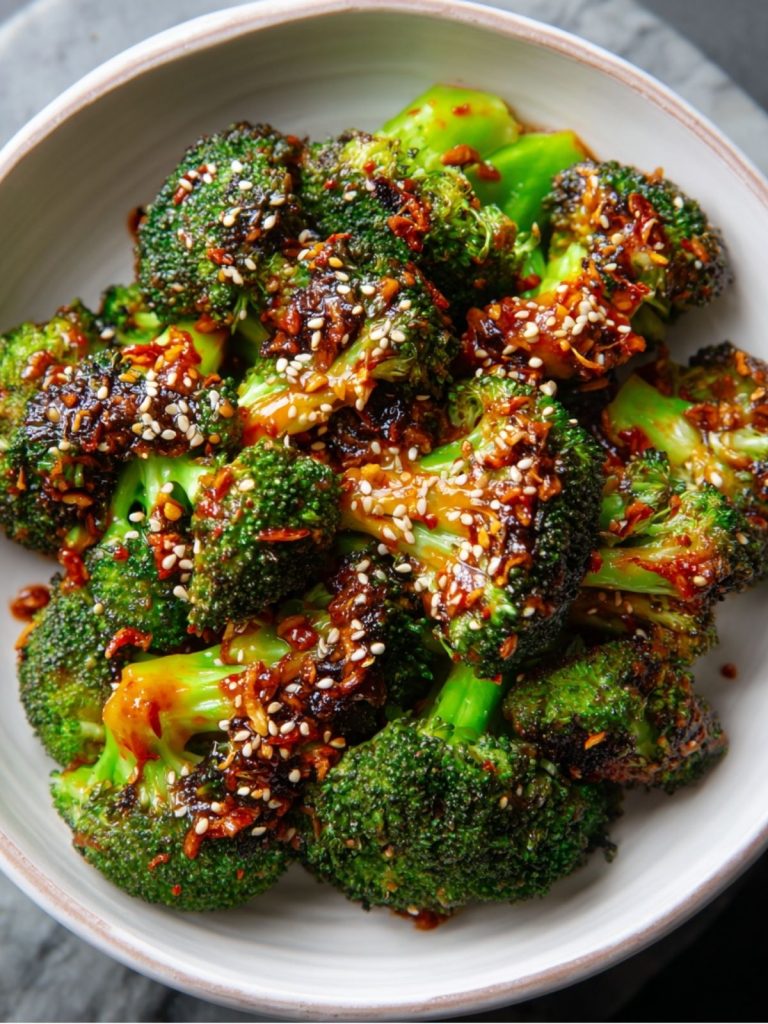
- Roast the Broccoli: Spread the coated broccoli evenly on a baking sheet. Make sure they are in a single layer to promote even roasting. Roast in the preheated oven for 15-20 minutes, or until the edges start to crisp and char slightly. The transformation in color and the caramelized aroma are your indicators of doneness.
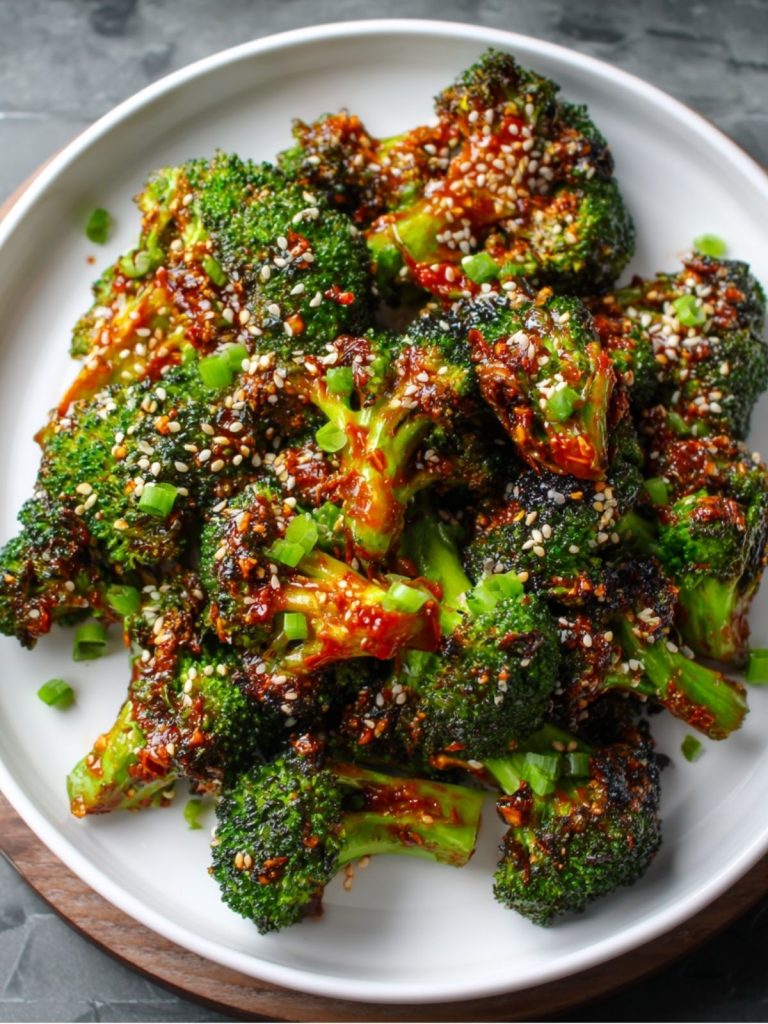
- Garnish and Serve: Remove from the oven and let it cool slightly. Sprinkle toasted sesame seeds on top for a crunchy contrast and additional nutty flavor. Serve warm and enjoy the delightful meld of spicy, savory, and nutty notes.
Expert Cooking Tips
- I always dry the broccoli thoroughly after washing. Moisture can steam the broccoli instead of roasting it, reducing crispiness.
- Preheat the oven for at least 15 minutes before roasting. This ensures a consistent temperature for the best texture.
- Consider adding a pinch of salt to the sauce for enhanced flavor balance and to intensify the earthy notes.
- Spread broccoli in a single layer, ensuring no overlaps. Crowding causes uneven cooking, producing soggy rather than crisp edges.
- Use freshly minced ginger and garlic. Fresh ingredients amplify flavors compared to pre-minced options.
- Keep an eye on the oven during roasting to prevent burning. Ovens vary, so adjust roasting time as needed.
Storage Tips
- Store leftovers in an airtight container in the refrigerator for up to 3 days. Airtight storage preserves flavor and texture.
- Avoid stacking broccoli pieces; layering with parchment keeps them from getting soggy in the fridge.
- Freeze in a flat layer for up to one month. Use freezer-safe bags to guard against freezer burn.
- Reheat in an oven at 350°F (175°C) for 5-7 minutes to regain crispiness. Using a microwave can make it soggy.
- Always reheat to 165°F (74°C) to ensure food safety and maintain the integrity of the dish.
Variations and Substitutions
- For a nutty twist, substitute sesame oil with almond oil, preserving its rich, earthy aroma.
- Gluten-free? Use tamari instead of soy sauce; it enriches the dish without compromising texture.
- Add a splash of orange juice for a fruity zest, complementing the spicy gochujang beautifully.
- Swap sugar with agave nectar for a subtly sweet, vegan-friendly alternative preserving the dish’s balance.
- Try coconut aminos as a soy sauce substitute for a naturally sweet and less salty profile.
- Replace regular broccoli with broccolini or tenderstem for a slightly sweeter, delicate variation.
What to Serve with Gochujang Broccoli?
- Steamed Jasmine Rice: Its subtle fragrance and fluffiness make it a perfect companion, soaking up the spicy flavors beautifully.
- Quinoa Salad: Offers a balance with its nuttiness and texture, enhancing the spicy-sweet notes of the broccoli.
- Crispy Baked Potatoes: Their crunch contrasts with tender broccoli, while the mild flavor absorbs the savory marinade.
- Cucumber and Mint Salad: Refreshing and crisp, it cleanses the palate between spicy bites, offering a cooling effect.
- Roasted Sweet Potatoes: Adds natural sweetness and enhances the umami flavors in the gochujang broccoli, creating a sweet-spicy duo.
- Ginger-Soy Noodles: The tangy and aromatic flavors complement the broccoli, offering a complete umami experience.
- Sautéed Spinach: Its earthy flavor and tender texture balance the dish’s heat and add depth to the meal.
- Grilled Tofu Skewers: Protein-rich and subtly flavored, they absorb the marinade, marrying seamlessly with the robust broccoli.
FAQ
Reduce gochujang or add honey to mellow out spiciness.
Ensure broccoli is dry before roasting; avoid overcooking.
Use sriracha mixed with miso and a pinch of sugar.
Yes, but thaw and pat dry before using to prevent sogginess.
Add extra sugar or a splash of maple syrup for greater sweetness.
- 0 Facebook
- 9 Pinterest
- 0 Email
- Copy Link
- 9 shares
Ultimate Guide to Gochujang Broccoli: A Flavorful Twist on a Classic Veggie Dish
Ingredients
Instructions
- Preheat Your Oven
Begin by preheating your oven to 400°F (200°C). Getting the oven to the right temperature is crucial for achieving that perfect crispy texture on the broccoli.
- Prepare the Broccoli
Take one fresh head of broccoli and cut it into uniform florets. Uniform size ensures even roasting, giving all pieces a beautifully browned exterior while keeping the insides tender.
- Mix the Sauce
In a medium bowl, combine 2 tablespoons of gochujang, 1 tablespoon of soy sauce, 1 tablespoon of sesame oil, and 1 tablespoon of water. Stir well until you achieve a smooth, silky consistency that effortlessly coats the back of a spoon. The aroma of the gochujang mingling with the nutty sesame oil will be intoxicating.
- Coat the Broccoli
Toss the broccoli florets into the bowl with the sauce. Use your hands or a spatula to ensure each piece is thoroughly coated with the vibrant, red mixture. Look for a glossy finish—a sign that the flavor is sealed in.
- Roast the Broccoli
Spread the coated broccoli evenly on a baking sheet. Make sure they are in a single layer to promote even roasting. Roast in the preheated oven for 15-20 minutes, or until the edges start to crisp and char slightly. The transformation in color and the caramelized aroma are your indicators of doneness.
- Garnish and Serve
Remove from the oven and let it cool slightly. Sprinkle toasted sesame seeds on top for a crunchy contrast and additional nutty flavor. Serve warm and enjoy the delightful meld of spicy, savory, and nutty notes.