- 0 Facebook
- 0 Pinterest
- 1 Email
- Copy Link
- 1 share
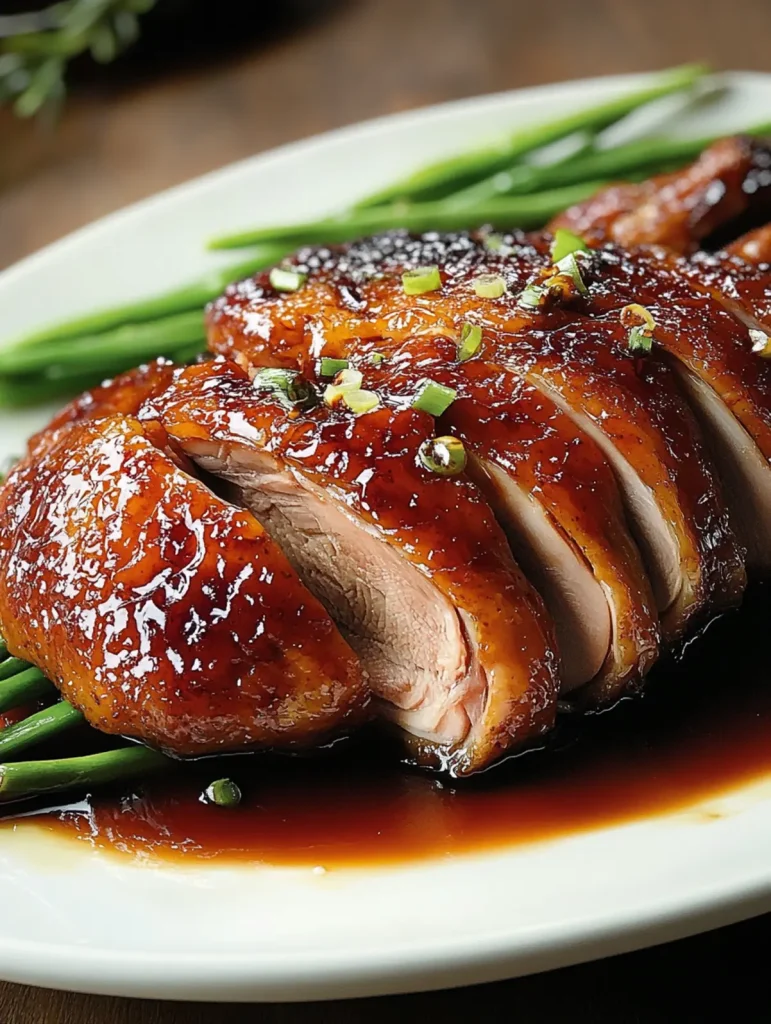
This roast duck transforms the kitchen with its symphony of aromas—from fragrant five-spice powder to the sweet-savory notes of caramelized soy glaze. Crispy, golden skin gives way to succulent meat beneath, creating a texture contrast that makes this dish truly remarkable. The magic happens during roasting, where patience yields that coveted crackling exterior, while the final brush of honey-soy glaze adds a glossy, flavor-packed finish. Serve with steamed jasmine rice to soak up every drop of the aromatic sauce.
Why It Belongs in Your Recipe Box
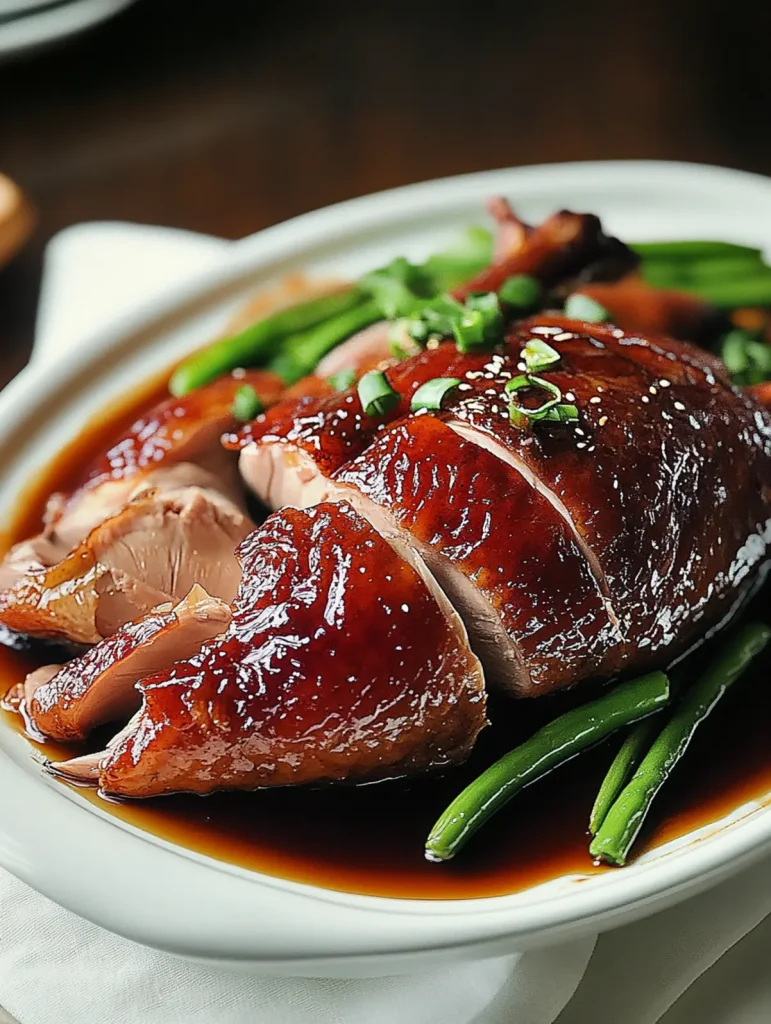
This Crispy Roast Duck with Soy Glaze delivers restaurant-quality results with surprisingly straightforward preparation. Here’s why it deserves a place in your cooking repertoire:
- Foolproof Crispy Skin : The special roasting technique creates that coveted crackling exterior without specialized equipment or complicated steps.
- Flavor Layering Magic : Each component—from the aromatic five-spice rub to the sweet-savory glaze—builds complexity that makes every bite memorable.
- Impressive Yet Doable : Despite its show-stopping appearance, this recipe breaks down the intimidation factor of cooking duck with clear, manageable steps.
- Texture Perfection : The contrast between the shatteringly crisp skin and tender, juicy meat delivers the hallmark eating experience duck lovers crave.
- Make-Ahead Friendly : The duck can be seasoned up to 24 hours in advance, allowing flavors to penetrate deeply while making dinner party prep much less stressful.
Ingredient Breakdown with Tips
The perfect Crispy Roast Duck with Soy Glaze depends not just on technique but on understanding how each ingredient contributes to the final masterpiece. Here’s what makes each component essential for achieving that restaurant-quality result:
- Whole duck (4-5 pounds) : Look for a duck with plump breasts and clean, intact skin. Farm-raised Pekin (Long Island) ducks offer excellent fat-to-meat ratio for crispy skin and succulent meat.
- Salt : Kosher salt works best for seasoning duck as its coarser texture helps draw moisture from the skin, creating that coveted crispiness. Apply generously both inside the cavity and on the exterior.
- Black pepper : Freshly ground pepper provides sharper flavor than pre-ground varieties. Its gentle heat balances the richness of the duck meat perfectly.
- Five-spice powder : This traditional Chinese blend (combining star anise, cloves, cinnamon, Sichuan peppercorns, and fennel seeds) infuses the duck with complex, aromatic warmth. Toast your spices briefly before using for maximum flavor.
- Soy sauce : Choose a good-quality, naturally brewed soy sauce for depth and umami. Dark soy adds richer color, while light soy provides cleaner flavor—using a blend of both creates perfect balance.
- Honey : Adds essential sweetness while helping the glaze caramelize beautifully on the duck skin. Local wildflower honey brings subtle floral notes to complement the spices.
- Rice vinegar : Provides crucial acidity that balances the sweet and savory elements in the glaze. Unseasoned rice vinegar allows you to control the overall flavor profile more precisely.
- Garlic : Fresh garlic cloves minced just before cooking release more potent aromatics than pre-prepared alternatives. Avoid burning when adding to the glaze as it can impart bitterness.
- Ginger : Fresh ginger root adds distinctive warmth and slight spiciness that complements duck perfectly. Store unpeeled ginger in the freezer and grate while frozen for easy preparation.
- Sesame oil : Use toasted sesame oil rather than light varieties for pronounced nutty depth. Add this at the final stage of glaze preparation to preserve its aromatic qualities.
How to Make Ultimate Crispy Roast Duck with Soy Glaze
- Preheat your oven to 425°F (220°C), then pat the duck completely dry with paper towels. Using a sharp knife , score the skin in a diamond pattern, being careful not to cut into the meat—this helps the fat render and creates maximum crispiness.
- In a small bowl, combine the salt, pepper, and five-spice powder. Rub this mixture thoroughly over the duck’s exterior and inside the cavity. I like to massage it well into the scored skin to ensure every bite has that aromatic flavor.
- Place the duck breast-side up on a rack in a roasting pan, which allows the fat to drip away during cooking. Roast for 35 minutes until the skin begins to turn golden brown.
- Reduce the oven temperature to 350°F (175°C) and continue roasting for about 30-40 minutes more. The skin should look crispy and the internal temperature at the thickest part of the thigh should reach 165°F (74°C).
- While the duck roasts, make the glaze by combining soy sauce, honey, rice vinegar, minced garlic, and grated ginger in a small saucepan. Bring to a simmer over medium heat and cook for about 5 minutes until slightly thickened—it should coat the back of a spoon but still be pourable.
- Remove the saucepan from heat and stir in the sesame oil. This late addition preserves the oil’s aromatic qualities that would otherwise cook off with longer heat exposure.
- During the last 10 minutes of roasting, brush the duck generously with the soy glaze. Return to the oven to let the glaze caramelize and create that beautiful lacquered finish.
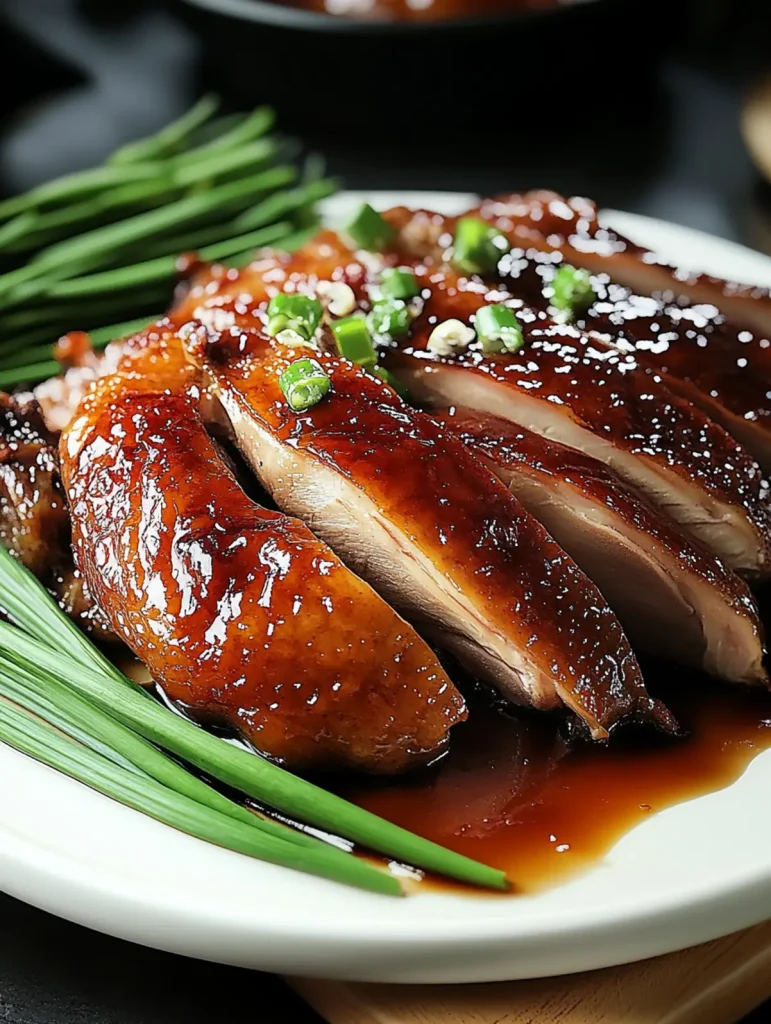
- Rest the duck for 15 minutes before carving—this crucial step allows the juices to redistribute throughout the meat. Serve with the remaining glaze drizzled over top or offered on the side.
Storage & Freezing
Leftover duck can be stored in the refrigerator for up to 3 days in an airtight container. The crispy skin will soften somewhat in storage, but the meat remains delicious for sandwiches, salads, or rice bowls. For best results, store the meat separately from any unused glaze.
Freezing roast duck is possible, though the texture will change slightly. Remove the meat from the bones before freezing (save those bones for duck stock!) and wrap tightly in plastic wrap followed by foil or place in freezer bags with air removed. Frozen duck can be kept for up to 2 months. The soy glaze can be frozen separately in small containers or ice cube trays for up to 3 months.
To reheat refrigerated duck, I find the best method is to warm the meat gently in a 300°F (150°C) oven until just heated through, about 15-20 minutes. This prevents the meat from drying out. For frozen duck, thaw completely in the refrigerator overnight before reheating. To revive some crispiness in the skin, try a quick finish under the broiler for 1-2 minutes, being careful not to burn it. Warm the glaze separately in a small saucepan and drizzle over the reheated duck for a flavor refresh.
Expert Tips for Crispy Roast Duck with Soy Glaze
Master this showstopping dish with these kitchen-tested secrets:
- Perfect scoring technique : Score only the skin and fat, not the meat. I make shallow cuts about ¼-inch apart to maximize fat rendering without losing juices from the meat.
- Temperature transition matters : The initial high heat (425°F) is crucial for rendering fat, while the lower temperature finish (350°F) prevents the skin from burning before the meat cooks through.
- Balance your glaze : If your honey is particularly sweet, add an extra splash of rice vinegar to maintain that perfect sweet-savory balance in the soy glaze.
- Watch the garlic : Minced garlic burns easily in the glaze. Keep the simmer gentle and stir frequently—burnt garlic will create bitter notes that overpower the delicate duck.
- Pre-warm the glaze : Before the final brushing, warm the soy glaze slightly if it has cooled—it spreads more evenly and adheres better to the crispy duck skin.
Variations & Substitutions
Whether you’re adapting to what’s in your pantry or looking to put your own spin on this classic, this roast duck recipe welcomes creative tweaks while preserving its essence. Here’s how to make it uniquely yours:
- Flavorful glaze alternatives : The soy-honey base is versatile—try orange marmalade instead of honey for citrus notes, or replace half the soy sauce with hoisin for a richer, more complex flavor profile.
- Make it less sweet : If you prefer a more savory glaze, reduce honey to 2 tablespoons and increase soy sauce to 1/3 cup. Add a teaspoon of Dijon mustard for depth without sweetness.
- Spice variation : Not a fan of five-spice? Create a Western-style duck by substituting a mix of dried thyme, rosemary, and black pepper, then pair with a red wine reduction glaze instead.
- Heat it up : I sometimes add 1-2 teaspoons of chili garlic sauce or sambal oelek to the glaze for a spicy kick that balances beautifully with duck’s richness.
- Duck-free option : This method and glaze work wonderfully with chicken thighs or a spatchcocked chicken if duck is unavailable—adjust cooking times accordingly (about 45 minutes for a 3-4 pound chicken).
- Smaller portions : If cooking for two, use duck breasts instead of a whole bird. Score the skin, season as directed, then cook skin-side down in a cold skillet brought to medium heat until fat renders and skin crisps (about 15 minutes), finish in a 375°F oven for 5-7 minutes, then brush with glaze.
Serving Suggestions
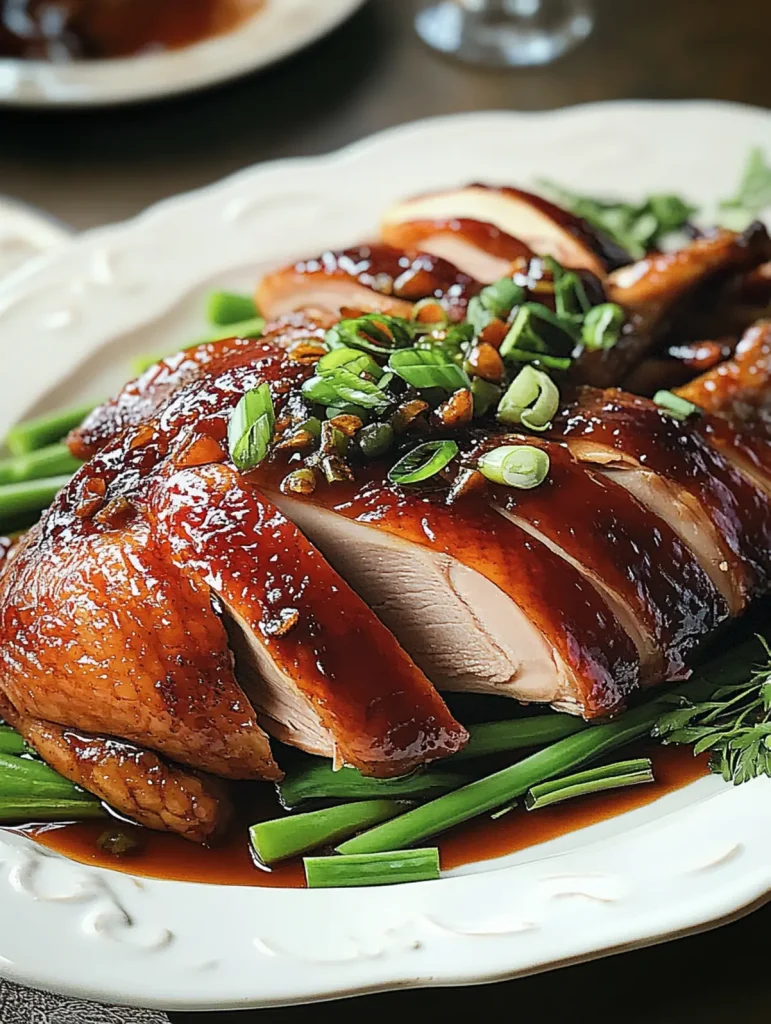
This Crispy Roast Duck with Soy Glaze deserves to be presented with the same care that went into creating it. The lacquered skin and aromatic glaze make it a true centerpiece for any special meal.
For traditional Asian-inspired serving, I like to carve the duck Chinese-style—separating the crispy skin from the meat and serving them on separate platters. Accompany with steamed jasmine rice, which soaks up the delicious soy glaze perfectly. For vegetables, try quick-stir-fried bok choy or garlicky Chinese broccoli to provide a fresh, green counterpoint to the rich duck.
For a more fusion approach, serve the duck with creamy mashed potatoes infused with a hint of five-spice powder and roasted seasonal vegetables. The combination of the crispy duck skin, tender meat, and velvety potatoes creates an irresistible textural experience. A small watercress salad dressed with rice vinegar and sesame oil makes a refreshing palate cleanser.
As for beverages, the aromatic five-spice and sweet-savory glaze pair beautifully with a slightly chilled Pinot Noir, a medium-bodied Syrah, or for non-alcoholic options, a sparkling pomegranate tea. The acidity in these drinks helps cut through the richness of the duck while complementing the complex flavors of the soy glaze.
Make-Ahead Tips for Crispy Roast Duck
This Crispy Roast Duck with Soy Glaze is perfect for stress-free entertaining when you prep components in advance! Season the duck with the five-spice mixture up to 24 hours ahead and refrigerate uncovered (this actually improves skin crispiness by further drying the surface). The soy glaze can be prepared up to 3 days in advance and stored in the refrigerator —just bring it to room temperature and give it a quick stir before using. When ready to cook, simply remove the seasoned duck from the fridge 30 minutes before roasting to bring it closer to room temperature, then follow the roasting instructions as written. You’ll save precious time on cooking day while achieving the same restaurant-quality results with that coveted crispy skin and succulent meat.
Recipe FAQs
Why score the duck skin? Creates maximum fat rendering for ultimate crispiness.
Can I make the glaze ahead of time? Yes, refrigerate for up to 3 days.
What’s the ideal internal temperature? 165°F at the thickest part of thigh.
Can I substitute five-spice powder? I use cinnamon, star anise and cloves instead.
Why add sesame oil last? Preserves its aromatic qualities without cooking off.
Is duck difficult to carve? No, just separate legs first, then slice breast.
- 0 Facebook
- 0 Pinterest
- 1 Email
- Copy Link
- 1 share
Ultimate Crispy Roast Duck with Soy Glaze
Ingredients
Instructions
Preheat your oven to 425°F (220°C), then pat the duck completely dry with paper towels. Using a sharp knife, score the skin in a diamond pattern, being careful not to cut into the meat—this helps the fat render and creates maximum crispiness.
In a small bowl, combine the salt, pepper, and five-spice powder. Rub this mixture thoroughly over the duck’s exterior and inside the cavity. I like to massage it well into the scored skin to ensure every bite has that aromatic flavor.
Place the duck breast-side up on a rack in a roasting pan, which allows the fat to drip away during cooking. Roast for 35 minutes until the skin begins to turn golden brown.
Reduce the oven temperature to 350°F (175°C) and continue roasting for about 30-40 minutes more. The skin should look crispy and the internal temperature at the thickest part of the thigh should reach 165°F (74°C).
While the duck roasts, make the glaze by combining soy sauce, honey, rice vinegar, minced garlic, and grated ginger in a small saucepan. Bring to a simmer over medium heat and cook for about 5 minutes until slightly thickened—it should coat the back of a spoon but still be pourable.
Remove the saucepan from heat and stir in the sesame oil. This late addition preserves the oil’s aromatic qualities that would otherwise cook off with longer heat exposure.
During the last 10 minutes of roasting, brush the duck generously with the soy glaze. Return to the oven to let the glaze caramelize and create that beautiful lacquered finish.
Rest the duck for 15 minutes before carving—this crucial step allows the juices to redistribute throughout the meat. Serve with the remaining glaze drizzled over top or offered on the side.
Notes
Perfect scoring technique: Score only the skin and fat, not the meat. I make shallow cuts about ¼-inch apart to maximize fat rendering without losing juices from the meat.
Temperature transition matters: The initial high heat (425°F) is crucial for rendering fat, while the lower temperature finish (350°F) prevents the skin from burning before the meat cooks through.
Balance your glaze: If your honey is particularly sweet, add an extra splash of rice vinegar to maintain that perfect sweet-savory balance in the soy glaze.
Watch the garlic: Minced garlic burns easily in the glaze. Keep the simmer gentle and stir frequently—burnt garlic will create bitter notes that overpower the delicate duck.
Pre-warm the glaze: Before the final brushing, warm the soy glaze slightly if it has cooled—it spreads more evenly and adheres better to the crispy duck skin.
Nutrition
| Serving Size | 1/6 of a duck |
|---|---|
| Calories | 400 calories |
| Sugar Content | 10g |
| Sodium Content | 890mg |
| Fat Content | 27g |
| Saturated Fat Content | 8g |
| Unsaturated Fat Content | 15g |
| Trans Fat Content | 0g |
| Carbohydrate Content | 25g |
| Fiber Content | 0g |
| Protein Content | 24g |
| Cholesterol Content | 90mg |