- 0 Facebook
- 4 Pinterest
- 0 Email
- Copy Link
- 4 shares
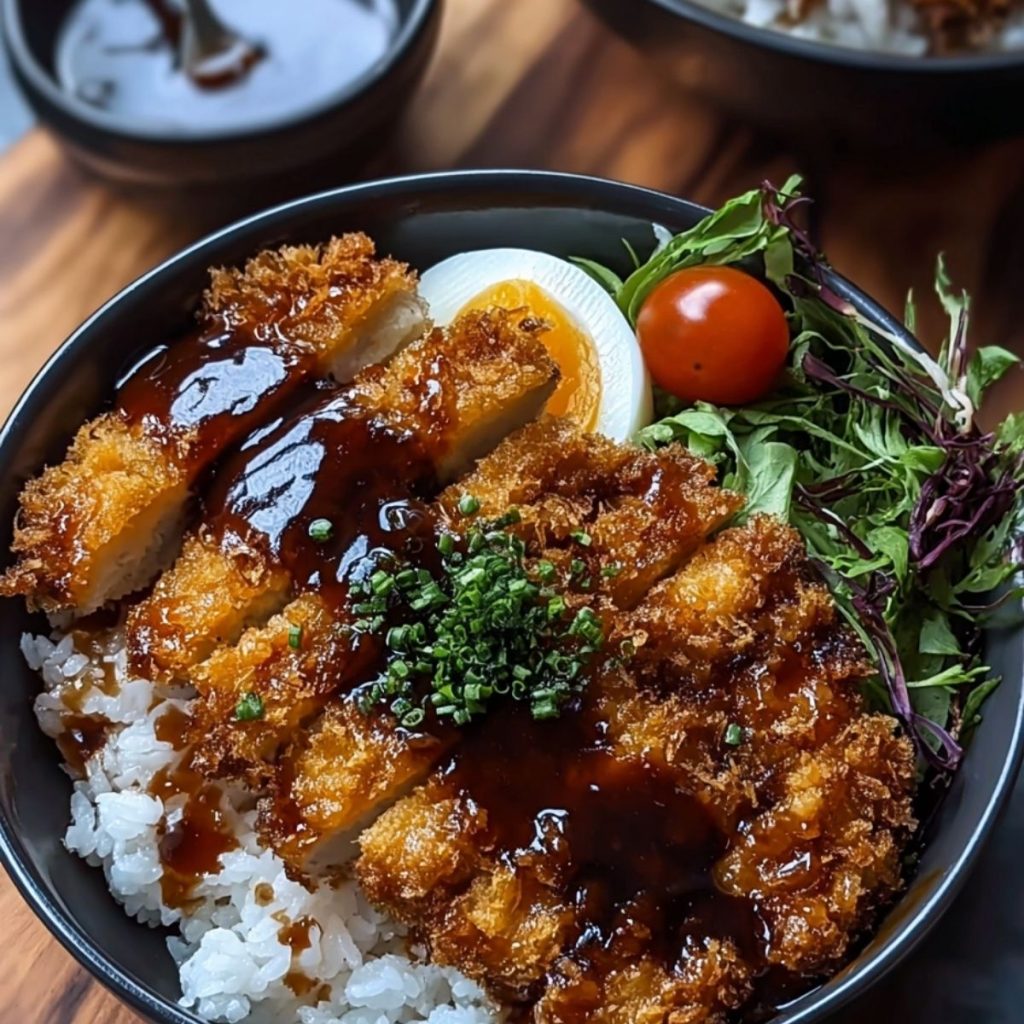
I’ve discovered that Crispy Japanese Katsu Bowls with Tonkatsu Sauce are a delightful blend of tender pork, crisp panko breadcrumbs, and a rich, savory sauce. It’s a quick and easy meal that bursts with flavor.
One summer evening, I stumbled upon the idea of creating a crispy Japanese Katsu Bowl while reminiscing about a family trip to Japan. Sitting in that tiny, bustling restaurant in Tokyo, I was captivated by the textures and flavors of my meal—an unforgettable experience. Inspired by that memory, I decided to experiment and bring a piece of Japan into my kitchen. This recipe became more than just a dish; it turned into a treasured family tradition, enjoyed for its simple preparation and delectable taste.
What’s remarkable about this recipe is not just its tantalizing taste but its practicality. It’s budget-friendly and doesn’t keep you tied up in the kitchen, allowing you to enjoy a gourmet experience without the hassle. Whether you’re looking to impress guests or delight your family, this dish promises a unique flavor adventure that’s both satisfying and convenient.
Why You’ll Love Crispy Japanese Katsu Bowls with Tonkatsu Sauce?
- Simplicity at its Best: The recipe is straightforward, requiring only a few ingredients, most of which might already sit in your pantry. Even beginner cooks can achieve restaurant-quality results.
- Rich, Authentic Flavor: The combination of crispy panko-coated cutlets and the bold flavors of the Tonkatsu Sauce offers a genuine taste of Japanese cuisine.
- Time-Saving Delight: The dish comes together quickly, making it perfect for weeknight dinners without sacrificing any of the gourmet feel.
- Flexible and Adaptable: Allowing for customization, you can substitute ingredients to accommodate dietary preferences or add a personal touch.
- Consistent Results: By utilizing tried-and-true cooking methods, this recipe delivers mouth-watering bowls each time you prepare it, ensuring satisfaction for every meal.
This recipe not only satisfies the taste buds but also brings a piece of Japanese culinary art into your home, offering a delightful meal that everyone can make and enjoy.
Ingredients Notes
- Boneless chicken breasts or pork loin: Choose high-quality, fresh cuts for tenderness. The meat is the backbone of the dish, delivering satisfying texture and rich flavor.
- Salt and pepper: Enhance the meat’s natural taste and create a flavor foundation. Use freshly cracked pepper and sea salt for an elevated finish.
- All-purpose flour: Helps panko adhere to the meat. Choose a fine-textured flour to ensure a light, even coating.
- Large eggs: Act as a binding agent for panko. Whisk them until smooth for the best coverage and consistent crust.
- Panko breadcrumbs: Provide the essential crispiness. Opt for Japanese brands for traditional texture and flavor.
- Vegetable oil: Use a high-smoke-point oil for frying. Keeps chicken juicy inside and delivers a golden, crispy outside.
- Japanese short-grain rice: Offers a sticky yet fluffy texture. Rinse thoroughly to remove excess starch before cooking.
- Water: Proper hydration of rice ensures fluffiness. I use clean, filtered water for the best taste.
- Rice vinegar: Adds subtle tanginess. Ensure purity for an authentic flavor profile without overpowering.
- Sugar: Balances the vinegar’s acidity, enhancing the rice’s natural sweetness.
- Salt: Essential for seasoning. Use in moderation to heighten the rice’s flavor without overshadowing it.
- Tonkatsu sauce: Sweet-savory condiment adds depth. I choose authentic Japanese brands for traditional taste.
- Soy sauce: Provides umami and saltiness. Opt for low-sodium to avoid overpowering dish.
- Worcestershire sauce: Infuses tanginess and complexity. Adds an unexpected layer of flavor
- Ketchup: Sweetens and thickens sauce. Use a rich, quality brand for full-bodied taste.
- Shredded cabbage: Crisp and refreshing, adds texture contrast. A must for balance.
- Green onions: Add a mild bite and freshness. Thinly slice for delicate garnish.
- Sesame seeds: Nutty flavor and delicate crunch. Toast for enhanced aroma.
- Pickled ginger (optional): Cleanses the palate with its tangy, spicy notes.
How to Make Crispy Japanese Katsu Bowls with Tonkatsu Sauce?
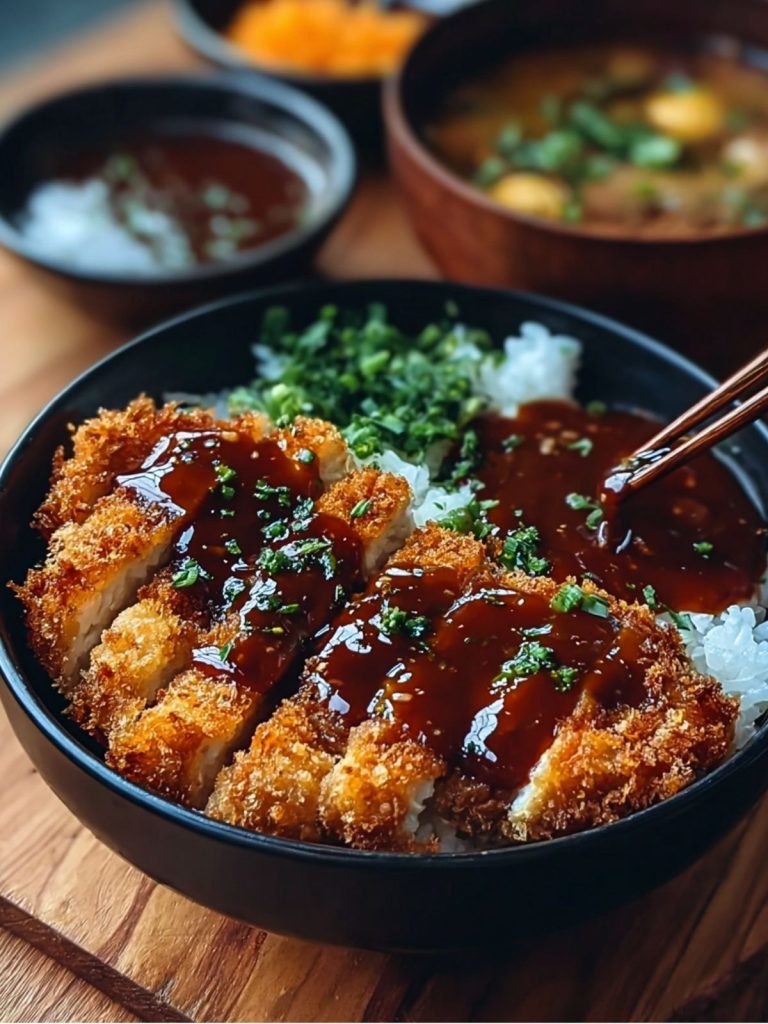
- Prepare the Rice: Rinse Japanese short-grain rice under cold water until the water runs clear. This removes excess starch. Combine rice and water in a rice cooker or pot. Cook until rice is tender and water is absorbed. Stir in rice vinegar , sugar , and salt while rice is still warm for added flavor.
- Bread the Chicken: Pat the boneless chicken breasts dry with a paper towel. Season with salt and pepper . Dredge each piece in all-purpose flour , shaking off excess. Dip into whisked eggs for an even coating. Press both sides of the chicken firmly into panko breadcrumbs to ensure a solid crust.
- Fry the Katsu: Heat vegetable oil in a large skillet over medium heat until shimmering. Fry chicken for about 3-4 minutes on each side, or until golden brown and cooked through. Rest fried cutlets on a wire rack to keep them crispy.
- Make the Tonkatsu Sauce: In a small bowl, mix together tonkatsu sauce , soy sauce , worcestershire sauce , and ketchup . This sauce adds depth with its sweet-savory aroma.
- Assemble the Bowls: Begin with a layer of rice in a bowl. Slice the chicken into strips and arrange over the rice. Drizzle generously with tonkatsu sauce . Add a mound of shredded cabbage and sprinkle with green onions and sesame seeds . Pickled ginger is optional but adds a zesty contrast.
Expert Cooking Tips
- I rinse rice until water is completely clear to avoid gummy textures.
- Use a thermometer to ensure oil reaches 350°F for perfectly crispy chicken.
- Season the chicken early, allowing it to absorb flavors before deeply breading.
- Press panko lightly onto the chicken for a uniform, thick crust.
- I rest fried katsu on a wire rack to prevent sogginess.
- Mix tonkatsu sauce in advance for flavors to meld better.
- Slice chicken across the grain for tenderness.
- I add vinegar to rice for a subtle hint of acidity that cuts through richness.
- Store panko in the freezer to keep it fresh and extra crispy.
Storage Tips
- Refrigerate leftover katsu in an airtight container for up to three days.
- Separate sauce from katsu to maintain crispiness when storing.
- Freeze undecorated chicken katsu for up to 2 months.
- Wrap katsu tightly in parchment paper to prevent freezer burn.
- Reheat katsu in an oven at 350°F for crispy texture, not microwave.
- Store rice separately to avoid it becoming soggy from moisture.
- Use sealable freezer bags to store chicken for easy thawing.
- Keep tonkatsu sauce in the refrigerator for up to one month.
- Label containers with date of storage to ensure freshness.
Variations and Substitutions
- Substitute chicken with tofu for a vegetarian version.
- Use gluten-free panko to cater to gluten intolerances.
- Replace rice vinegar with apple cider for a fruity alternative.
- Try coconut oil instead of vegetable oil for nutty flavor.
- Swap sesame seeds with chia seeds for added fiber.
- Use tamari as a gluten-free soy sauce alternative.
- Include sliced mango for a tropical spin.
- Substitute cabbage with kale for a twist in greens.
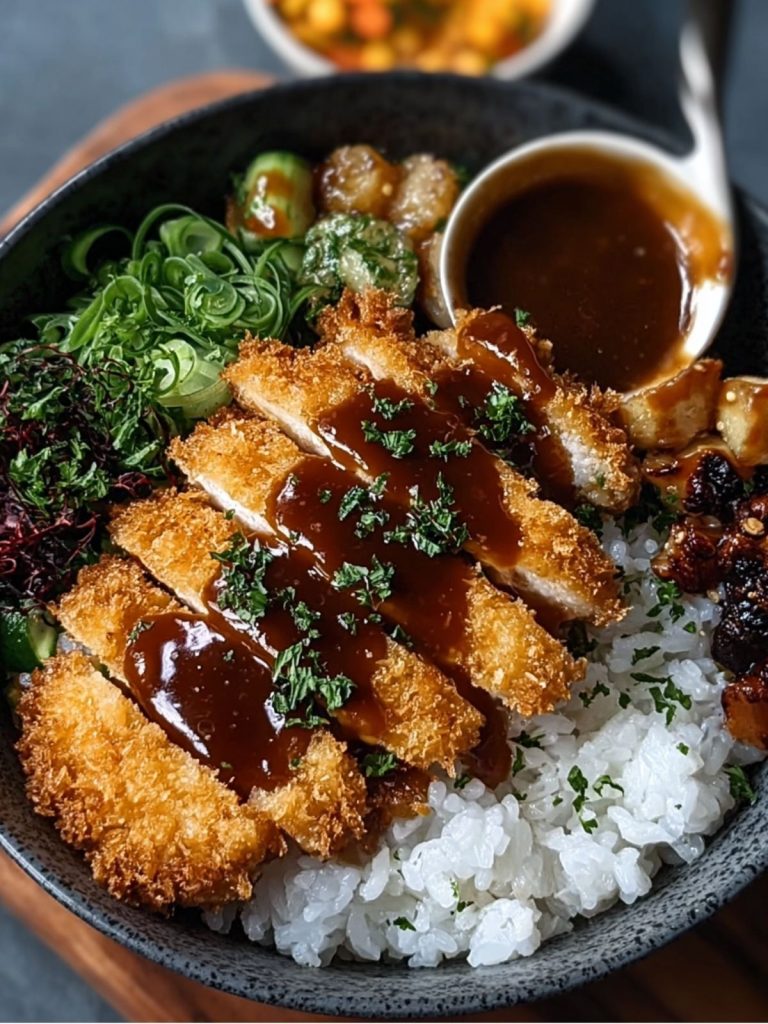
What to Serve with Crispy Japanese Katsu Bowls with Tonkatsu Sauce?
- Miso Soup: Adds a warm, umami-rich start, balancing the crispy texture with a soothing broth.
- Steamed Edamame: Offers a high-protein side that complements the main dish with its natural sweetness and bite.
- Pickled Ginger: Cleanses the palate between bites, enhancing the overall dining experience.
- Japanese Seaweed Salad: Provides a refreshing crunch and a hint of the sea, balancing the richness of the katsu.
- Grilled Asparagus: Offers a mildly nutty flavor profile, adding a healthful green element to the plate.
- Roasted Sweet Potatoes: Incorporates a sweet, creamy contrast, making the dish comforting and filling.
- Wasabi Peas: Adds a spicy crunch, enhancing the texture while introducing a new flavor intensity.
- Cucumber and Tomato Salad: Lively and crisp, this salad infuses freshness and helps balance the dish.
- Steamed Rice: Classic pairing, bolstering flavors without overpowering the katsu’s unique qualities.
- Sauteed Mushrooms: Enhances umami content, further magnifying the depth of flavors present.
FAQs
Ensure oil is hot enough before frying, and avoid overcrowding the pan.
Begin with less sugar, adjust progressively while tasting, or add lime for balance.
Japanese short-grain rice maintains a sticky texture, perfect for bowls.
Use panko breadcrumbs, and refrigerate breaded chicken for 15-30 minutes before frying.
Yes, bake at 400°F for 20-25 minutes, turning midway, for a healthier option.
- 0 Facebook
- 4 Pinterest
- 0 Email
- Copy Link
- 4 shares
Crispy Japanese Katsu Bowls: Perfecting Tonkatsu Sauce for Ultimate Flavor
Ingredients
Instructions
- Prepare the Rice
Rinse Japanese short-grain rice under cold water until the water runs clear. This removes excess starch. Combine rice and water in a rice cooker or pot. Cook until rice is tender and water is absorbed. Stir in rice vinegar, sugar, and salt while rice is still warm for added flavor.
- Bread the Chicken
Pat the boneless chicken breasts dry with a paper towel. Season with salt and pepper. Dredge each piece in all-purpose flour, shaking off excess. Dip into whisked eggs for an even coating. Press both sides of the chicken firmly into panko breadcrumbs to ensure a solid crust.
- Fry the Katsu
Heat vegetable oil in a large skillet over medium heat until shimmering. Fry chicken for about 3-4 minutes on each side, or until golden brown and cooked through. Rest fried cutlets on a wire rack to keep them crispy.
- Make the Tonkatsu Sauce
In a small bowl, mix together tonkatsu sauce, soy sauce, worcestershire sauce, and ketchup. This sauce adds depth with its sweet-savory aroma.
- Assemble the Bowls
Begin with a layer of rice in a bowl. Slice the chicken into strips and arrange over the rice. Drizzle generously with tonkatsu sauce. Add a mound of shredded cabbage and sprinkle with green onions and sesame seeds. Pickled ginger is optional but adds a zesty contrast.