- 0 Facebook
- 0 Pinterest
- 0 Email
- Copy Link
- 0 shares
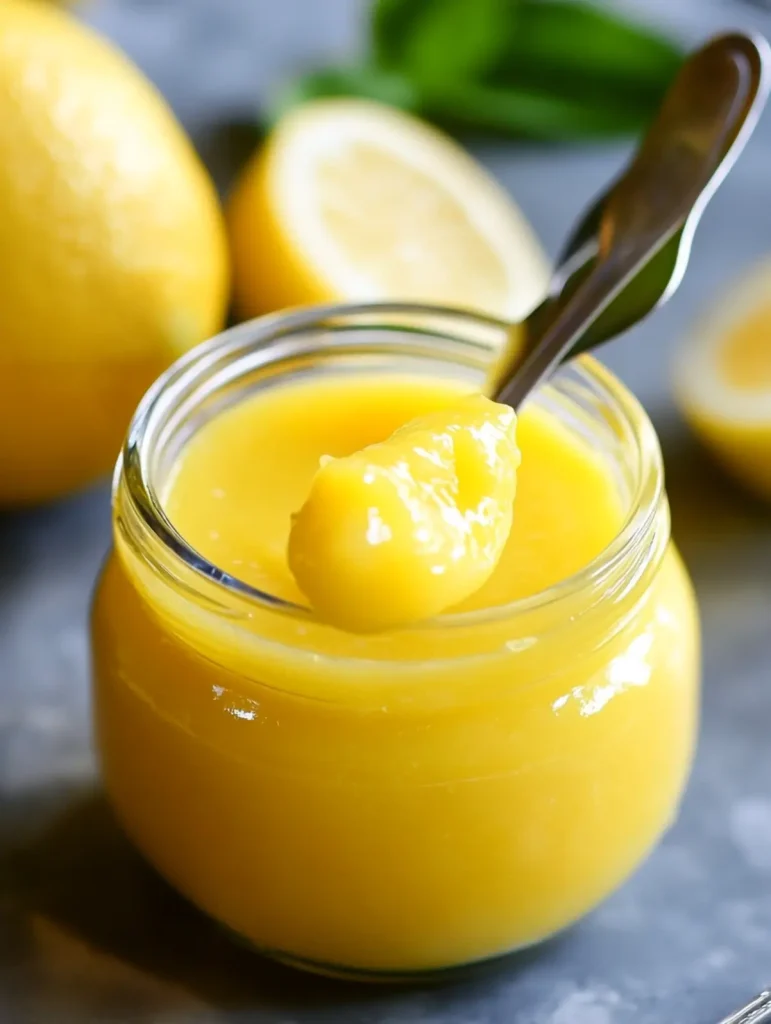
This vibrant lemon curd transforms ordinary breakfast toast into something extraordinary with its silky-smooth texture and bright, sunshine-yellow hue. The perfect balance of sweet and tangy dances across the palate, creating a luxurious spread that’s surprisingly simple to make at home. Each spoonful delivers the pure essence of fresh lemons—intensified by the rich butter and eggs that give this classic condiment its signature velvety consistency. Dollop it generously on warm scones or use it as the star filling in a show-stopping tart with a crisp, buttery crust.
Why It’s Worth Making
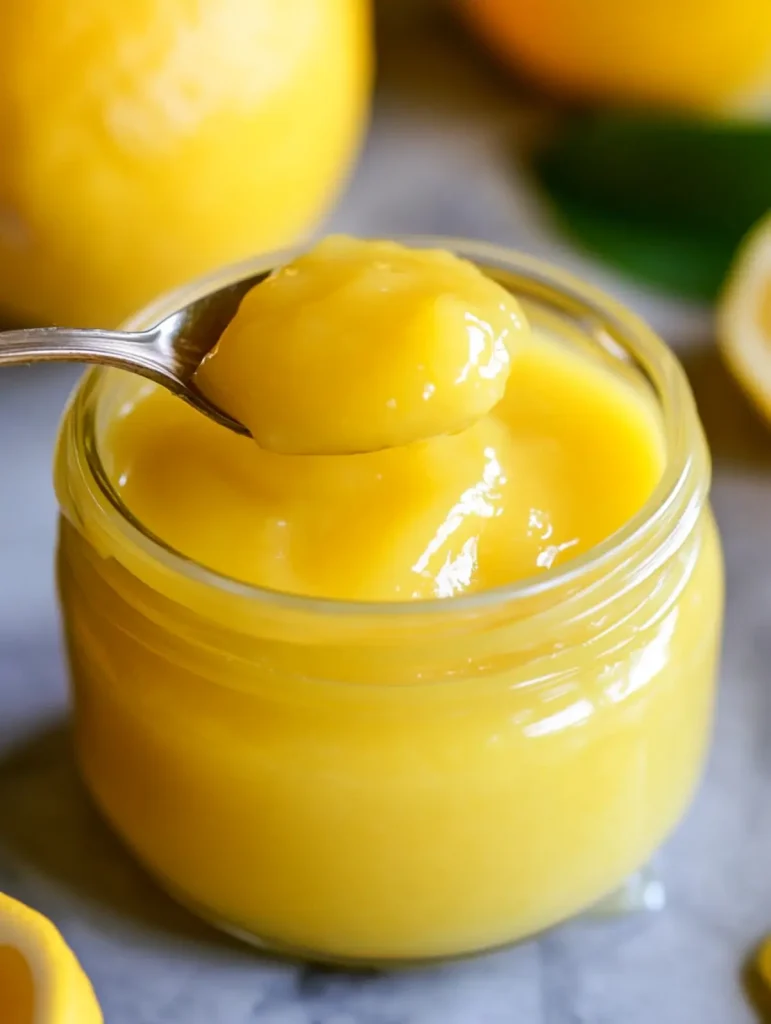
This homemade lemon curd delivers sunshine in every spoonful, balancing bright citrus notes with silky-smooth indulgence.
- Velvety Perfection : The double-straining technique ensures a remarkably smooth texture that store-bought versions simply can’t match.
- Customizable Zing : Control the sweet-tart balance by adjusting lemon zest amount—more zest creates a more vibrant flavor profile.
- Versatility Champion : Transform morning toast, elevate afternoon tea, or create impressive desserts with this single batch that adapts to countless uses.
- Quick Luxury : Despite its gourmet reputation, this recipe requires just 25 minutes of active time for a condiment that tastes professionally crafted.
- Make-Ahead Marvel : The flavor actually deepens after 24 hours in the refrigerator , making it perfect for entertaining or weekend brunch preparation.
Ingredient Notes
Every component in this Irresistibly Smooth Homemade Lemon Curd plays a crucial role in creating that perfect balance of silky texture and bright flavor. Quality ingredients make all the difference in this simple yet spectacular treat.
- Unsalted butter : Forms the rich, velvety foundation of your curd. Using unsalted allows precise control over the final saltiness, while its fat content creates that luxurious mouthfeel.
- Granulated sugar : Balances the lemon’s natural tartness without overwhelming it. For a more delicate sweetness, superfine sugar dissolves even more readily.
- Large eggs (room temperature) : Provide essential thickening power and a custard-like richness. Room temperature eggs incorporate more smoothly, preventing curdling during cooking.
- Egg yolk (room temperature) : This extra yolk adds richness and a deeper golden color. The natural lecithin in yolks also helps emulsify the curd for a more stable texture.
- Fresh lemon juice : Delivers the signature tangy backbone. Always use freshly squeezed for vibrant flavor—bottled juice lacks the aromatic compounds that make lemon curd special.
- Lemon zest : Contains the fruit’s essential oils, providing intense citrus aroma and depth. Use only the yellow part (avoiding bitter white pith) from unwaxed, organic lemons when possible.
Step-by-Step Instructions
- Prepare your double boiler by filling a saucepan with about 2 inches of water and placing a heatproof bowl on top, making sure the bottom doesn’t touch the water. Bring the water to a simmer over medium heat.
- Melt the butter completely in your double boiler setup, stirring occasionally with a whisk until it’s liquid and smooth.
- Whisk in the sugar until it’s fully dissolved into the melted butter, creating a gritty paste that will soon become silky smooth.
- Add the eggs and egg yolk one at a time, whisking vigorously after each addition. I find that adding them gradually prevents curdling and ensures a smoother texture.
- Pour in the lemon juice and zest , whisking continuously as the mixture begins to thicken. This is when the magic happens—you’ll notice the color brightening to a gorgeous yellow.
- Cook the mixture for 10-15 minutes, stirring constantly. Don’t rush this step—patience rewards you with perfectly thickened curd that coats the back of a spoon.
- Test for doneness by running your finger across the back of a coated spoon—if it leaves a clear path that doesn’t immediately fill in, your curd is ready.
- Strain through a fine-mesh sieve into a clean bowl to remove any bits of zest and ensure that irresistibly smooth texture that makes this lemon curd so special.
Remember, the curd will continue to thicken as it cools, so don’t worry if it seems slightly runny while still warm.
Serving Suggestions
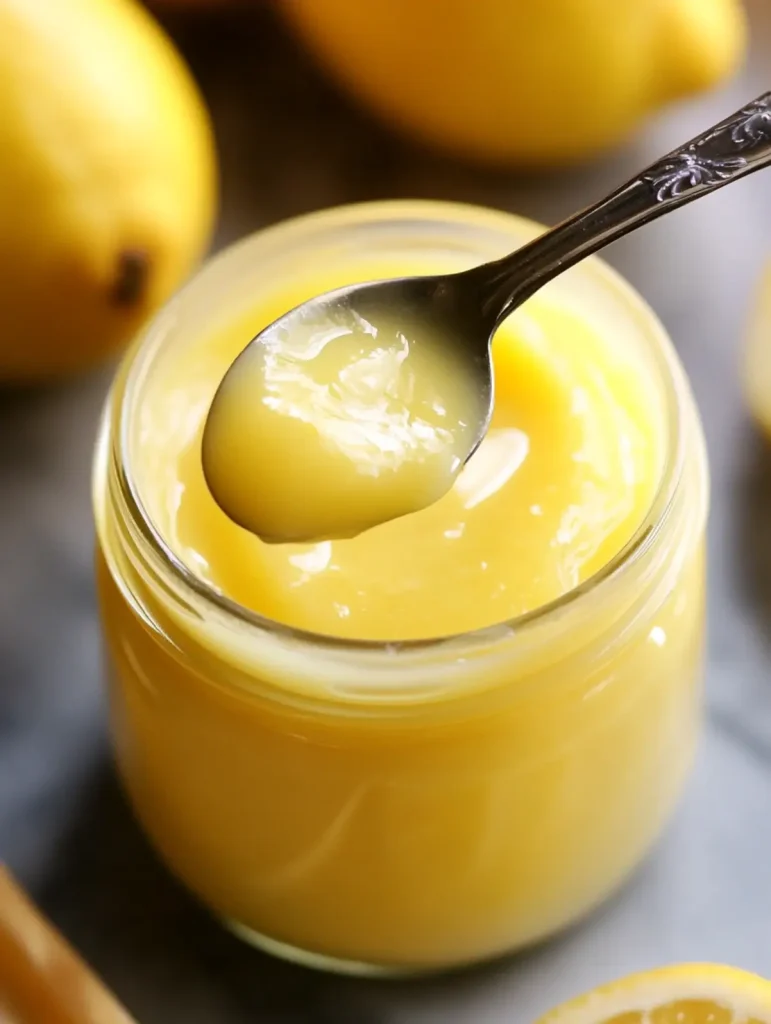
This bright, homemade lemon curd is incredibly versatile – it’s like sunshine in a jar that can transform even the simplest dishes into something special.
I love serving it as part of a weekend brunch spread, dolloped generously on warm scones or English muffins alongside clotted cream. The contrast between the buttery pastry and the zingy lemon is absolutely divine. For afternoon tea, try filling tiny tart shells with the curd and topping with a fresh berry for an elegant, no-bake treat.
For dessert lovers, this easy lemon curd makes an incredible filling between cake layers or folded into freshly whipped cream for a quick lemon fool. One of my favorite summer desserts is to swirl it into vanilla ice cream with crushed shortbread cookies for a refreshing treat that showcases the vibrant lemon flavor.
The silky texture also makes it perfect for gift-giving – just pour into small decorative jars, attach a ribbon and a note suggesting it be enjoyed with morning toast or yogurt. The bright yellow color, enhanced by the fresh zest from three lemons, makes for a presentation as beautiful as it is delicious.
Variations & Substitutions
Making this lemon curd your own is part of the joy of home cooking! Whether you’re accommodating dietary needs or just experimenting with flavors, here are some delicious ways to customize this recipe.
- Citrus swaps : While classic lemon delivers that perfect pucker, try substituting some or all of the lemon juice with lime, blood orange, or grapefruit. I’ve found that Meyer lemons create a particularly honeyed, aromatic version when they’re in season.
- Dairy-free option : Replace butter with coconut oil (use refined if you don’t want coconut flavor) for a dairy-free version that maintains that luscious mouthfeel. The texture will be slightly different but equally delightful.
- Sugar alternatives : Reduce sugar by up to a third for a more intensely tart spread, or substitute with honey (use ¾ the amount) for a more complex sweetness. Just note that honey will slightly alter the flavor profile.
- Boozy enhancement : Stir in 1-2 tablespoons of limoncello or Grand Marnier after straining for a sophisticated, dessert-worthy variation that pairs beautifully with pound cake or shortbread.
- Herb infusions : Add 1-2 sprigs of fresh thyme, rosemary, or a few basil leaves to the mixture while cooking, then remove before straining. These subtle herbal notes create an unexpected dimension that works wonderfully in summer desserts.
Storage & Freezing
This homemade lemon curd stays fresh in an airtight container in the refrigerator for up to two weeks. The vibrant yellow color may darken slightly after a few days, but the flavor often deepens beautifully. For optimal freshness, press a piece of plastic wrap directly onto the surface of the curd to prevent a skin from forming.
For longer storage, lemon curd freezes surprisingly well for up to 3 months. I like to portion it into small freezer-safe containers or even ice cube trays for convenient single servings. When frozen, the butter content may cause slight separation upon thawing, but a quick whisk restores that irresistibly smooth texture.
To use after freezing, thaw overnight in the refrigerator rather than at room temperature or with heat. This gentle method preserves both the delicate flavor balance and silky consistency that makes this homemade lemon curd so special.
Expert Tips
- Room temperature matters: Ensure eggs and yolks are truly at room temperature before starting—I leave mine out for at least 30 minutes to prevent the dreaded curdling when they hit the warm butter mixture.
- Perfect your double boiler: Keep water at a gentle simmer, not a rolling boil. Too much heat is the enemy of silky-smooth lemon curd and can scramble eggs instantly.
- Constant motion is key: Never stop whisking, especially after adding the lemon juice. I find using a figure-eight pattern helps catch any potential egg solids forming in the corners.
- Strain twice for luxury: For the most irresistibly smooth homemade lemon curd, strain once immediately after cooking and again after cooling for 10 minutes to catch any remaining solids.
- The spoon test doesn’t lie: Your curd is ready when it coats the back of a wooden spoon and holds a clean line when you run your finger through it—patience here pays off with perfect thickness.
Make Ahead Options
This Easy Lemon Curd is a meal prep superstar that actually improves with time! You can prepare the entire batch up to two weeks in advance and store it in an airtight container in the refrigerator —the flavors deepen beautifully after the first 24 hours. For entertaining, make your lemon curd 2-3 days before serving to allow the citrus notes to fully develop and meld. The silky texture remains perfectly intact when stored properly (press plastic wrap directly onto the surface to prevent a skin from forming). When ready to serve, simply give it a gentle stir and bring to room temperature for 15-20 minutes for the smoothest spreading consistency, and you’ll have restaurant-quality results with zero last-minute stress.
Frequently Asked Questions
Can I use bottled lemon juice instead of fresh? Fresh juice only—bottled lacks vibrant flavor.
How do I know when my lemon curd is done? It coats the back of a spoon.
Why did my lemon curd curdle? Likely heated too quickly or eggs too cold.
Will this work with other citrus fruits? Yes! Try lime, orange, or grapefruit.
How long does homemade lemon curd last? Up to two weeks refrigerated in airtight container.
Does straining really make a difference? Absolutely—creates that irresistibly smooth texture.
- 0 Facebook
- 0 Pinterest
- 0 Email
- Copy Link
- 0 shares
Irresistibly Smooth Homemade Lemon Curd
Ingredients
Instructions
- Prepare your double boiler
by filling a saucepan with about 2 inches of water and placing a heatproof bowl on top, making sure the bottom doesn’t touch the water. Bring the water to a simmer over medium heat.
- Melt the butter
completely in your double boiler setup, stirring occasionally with a whisk until it’s liquid and smooth.
- Whisk in the sugar
until it’s fully dissolved into the melted butter, creating a gritty paste that will soon become silky smooth.
- Add the eggs and egg yolk
one at a time, whisking vigorously after each addition to prevent curdling.
- Pour in the lemon juice and zest
, whisking continuously as the mixture begins to thicken.
- Cook the mixture
for 10-15 minutes, stirring constantly until it reaches a thickened consistency.
- Test for doneness
by running your finger across the back of a coated spoon—if it leaves a clear path, your curd is ready.
- Strain through a fine-mesh sieve
into a clean bowl to ensure a smooth texture.
Notes
Room temperature matters: Ensure eggs and yolks are at room temperature before starting.
Perfect your double boiler: Keep water at a gentle simmer.
Constant motion is key: Never stop whisking, especially after adding the lemon juice.
Strain twice for luxury: For the most irresistibly smooth curd, strain twice.
The spoon test doesn’t lie: Your curd is ready when it coats the spoon and holds a clean line.
Nutrition
| Serving Size | 1 tablespoon |
|---|---|
| Calories | 90 calories |
| Sugar Content | 10g |
| Sodium Content | 20mg |
| Fat Content | 4g |
| Saturated Fat Content | 2g |
| Unsaturated Fat Content | 2g |
| Trans Fat Content | 0g |
| Carbohydrate Content | 11g |
| Fiber Content | 0g |
| Protein Content | 1g |
| Cholesterol Content | 45mg |