- 0 Facebook
- 40 Pinterest
- 1 Email
- Copy Link
- 41 shares
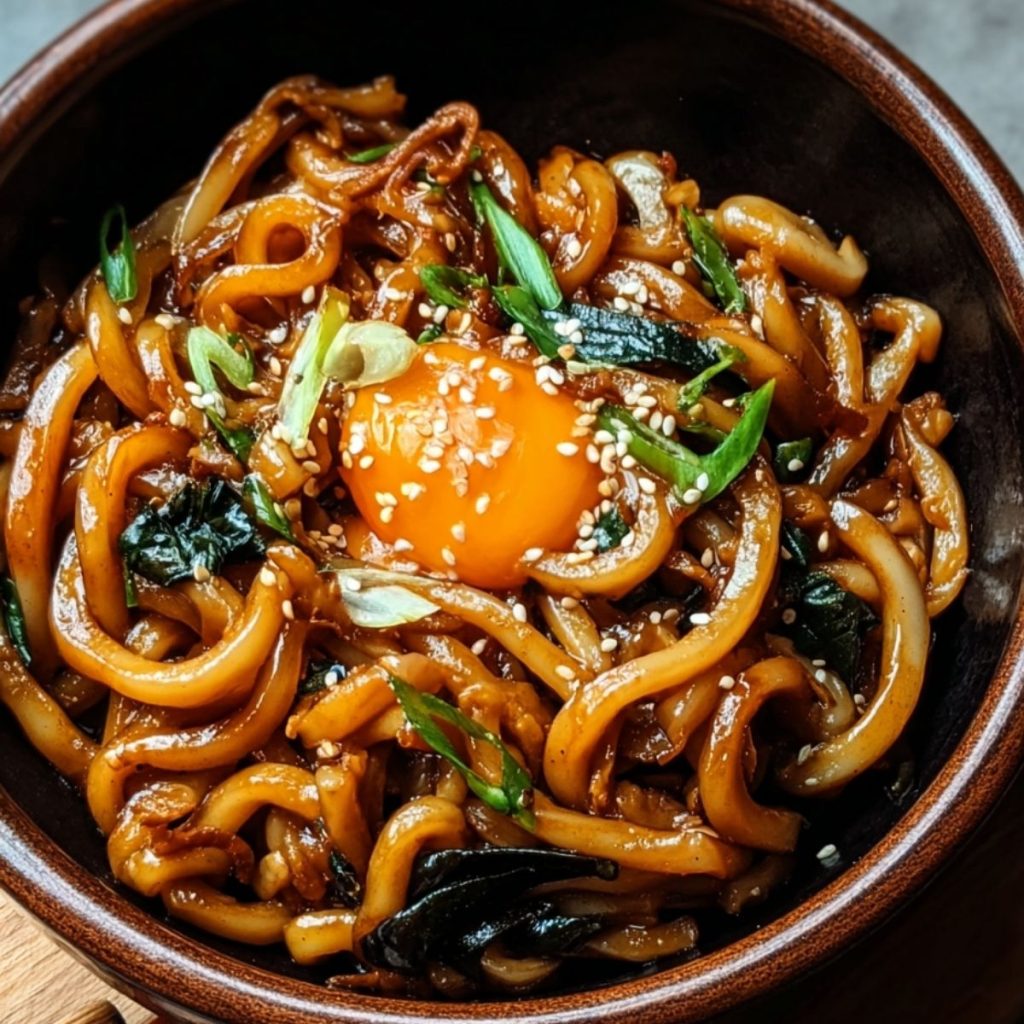
I love Yaki Udon because it’s such a versatile dish. It’s quick to prepare, with easily accessible ingredients like tender beef, fresh veggies, and thick udon noodles, all delivering a remarkable blend of flavors in every bite.
When I first stumbled upon Yaki Udon, I was wandering through a bustling street market in Osaka. It was the vibrant aroma that drew me in, and I was captivated watching a street vendor skillfully tossing the ingredients on a hot griddle. This dish has become a staple in my kitchen, not only because it’s healthy and affordable but also for its unmatched ability to bring the essence of Japan’s street food into my home.
This recipe is particularly for special me as it brings back fond memories of my travels and experiments in the kitchen. It’s easy to make, saving busy weeknights, and each bowl offers a unique flavor experience, combining umami-rich soy sauce with the crispness of seasonal vegetables. This dish allows you to explore Japanese cuisine effortlessly while enjoying a satisfying, homemade meal.
Why You’ll Love Yaki Udon?
- Simplicity: Yaki Udon is delightfully simple to prepare, making it a perfect choice for both novice cooks and seasoned chefs. Its step-by-step methods ensure success every time, with minimal ingredients and equipment required.
- Rich Flavor: By incorporating expert techniques like stir-frying on high heat, the udon noodles absorb the deep, savory flavors of soy sauce and mirin, creating a harmony of tastes that doesn’t require any additional seasoning.
- Standout Features: The play of textures—tender noodles, crispy vegetables, and juicy beef—strikes a satisfying balance, making this recipe a dynamic addition to any meal plan.
- Consistent Results: Designed for reliable deliciousness, this Yaki Udon recipe ensures that, regardless of your cooking prowess, you can deliver a meal that’s both comforting and gourmet.
An easy yet sophisticated dish that brings the heart of Japanese street food to your dining table.
Ingredients Notes
- Udon Noodles: I choose thick and chewy udon noodles, as they capture every flavor, offering a delightful bite that’s perfect for soaking up sauces.
- Sesame Oil: Using this gives a nutty depth. I suggest adding it at the end for a fragrant aromatic finish.
- Boneless Chicken Breast: I prefer free-range chicken, sliced thinly, to ensure even cooking and tender, juicy bites throughout the dish.
- Bell Peppers: Choose vibrant colors for sweetness and crunch. They add a lovely freshness and visual appeal to the dish.
- Carrots: Julienne carrots give a crisp texture. I opt for young carrots to provide a subtle natural sweetness and crunch.
- Green Onions: For a burst of color and mild onion flavor, I sprinkle these towards the end to maintain freshness.
- Low-Sodium Soy Sauce: By using low-sodium, I can control saltiness without losing the rich umami essence needed for the sauce.
- Vegetable Broth: This adds moisture and depth. I recommend a homemade broth for the best flavor with no additives.
- Garlic: Freshly minced garlic infuses the oil with a robust, aromatic base, enhancing the overall flavor complexity of the dish.
How to Make Yaki Udon?
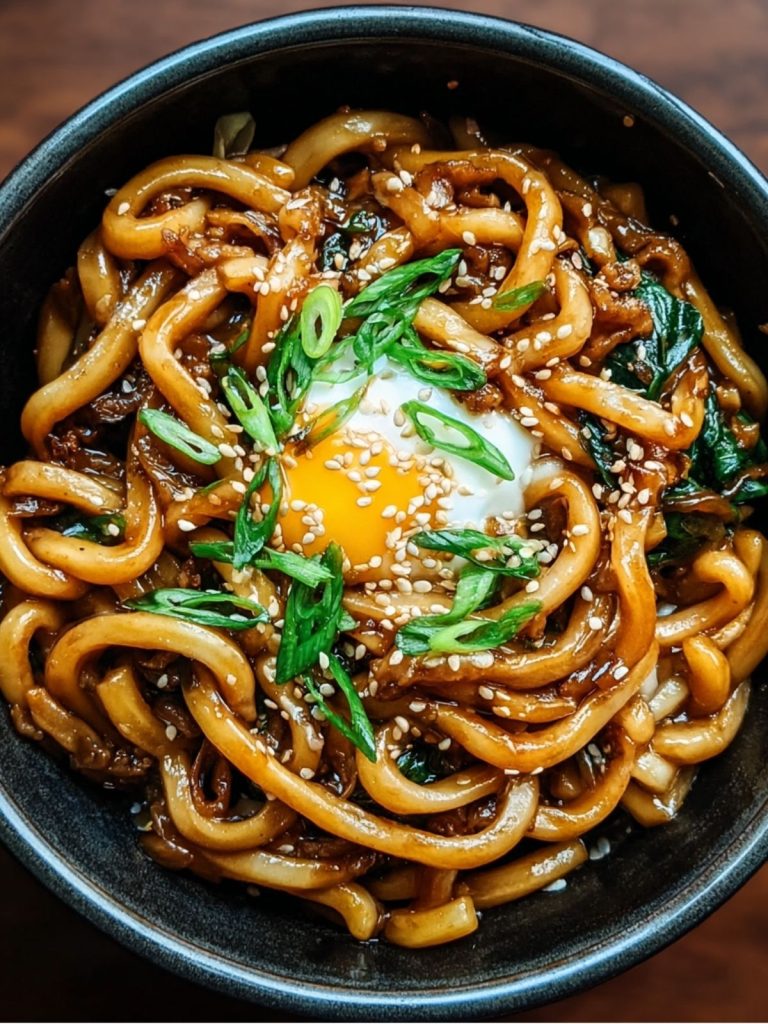
- Prepare the Ingredients: Begin by ensuring all ingredients are prepped and ready. Slice your boneless chicken breast thinly, allowing for quick and even cooking. For the vegetables, julienne the carrots and slice bell peppers for a vibrant addition. Chop green onions and mince garlic to infuse the dish with fresh, robust flavors.
- Cook the Udon Noodles: Boil water in a large pot and add the udon noodles. Cook for about 3 minutes until they are soft yet slightly firm to the bite. Drain the noodles and rinse under cold water to halt the cooking process, ensuring a perfect chewy texture. Toss lightly with half of the sesame oil to prevent sticking and add a subtle nutty aroma.
- Sauté the Chicken: In a large skillet or wok, heat the remaining sesame oil over medium-high heat. Add sliced chicken, stirring occasionally until it’s golden brown on the outside and cooked through. Savor the rich aroma of sesame mingling with the succulent scent of chicken.
- Add Vegetables: Incorporate garlic, bell peppers, and julienned carrots into the skillet . Stir-fry for 3-4 minutes until vegetables are tender yet still crisp. The colorful vegetables should look vibrant and smell fresh, adding both texture and visual appeal.
- Combine and Finish: Pour in the low-sodium soy sauce and vegetable broth, gently stirring to meld flavors. Reintroduce the udon noodles, tossing everything together to ensure each noodle is coated in the flavorful broth. Allow the mixture to simmer for a minute, absorbing every nuance of taste.
- Garnish and Serve: Sprinkle green onions over the top, adding a pop of color and a mild spicy flavor. Serve hot, enjoying the blend of textures, from the chewy noodles to the tender chicken and crunchy vegetables.
Expert Cooking Tips
- I always thinly slice my protein for quick, even cooking.
- Use a splash of soy sauce to deglaze the pan for extra flavor.
- Stir-fry vegetables at high heat to retain their vibrant color and crispness.
- Gently toss noodles to avoid breaking them. Use tongs for better control.
- Mix your sauce ingredients beforehand to streamline the cooking process.
- I simmer cooked noodles briefly to absorb maximum flavor from the sauce.
- Add a splash of water if sauce gets too thick during cooking.
- Use fresh rather than pre-minced garlic for a robust, fresh aroma.
Storage Tips
- Store Yaki Udon in an airtight container in the refrigerator for up to 3 days.
- For freezing, use a freezer-safe container to prevent freezer burn; good for up to 1 month.
- Thaw frozen Yaki Udon overnight in the fridge before reheating for best texture.
- Reheat in a skillet with a splash of water or broth to avoid dryness.
- Ensure the internal temperature reaches 165°F when reheating to ensure food safety.
- Divide into portions before storing for easy reheating and portion control.
Variations and Substitutions
- For a vegetarian version, substitute tofu or extra vegetables for meat.
- Use soba noodles as a gluten-free alternative, maintaining a similar texture.
- Replace soy sauce with tamari for a gluten-free option without sacrificing flavor.
- Add a handful of bean sprouts for an extra crunchy texture.
- Try a drizzle of chili oil for a spicy kick.
- Swap sesame oil with olive or coconut oil for a different aroma and taste.
What to Serve with Yaki Udon?
- Steamed Jasmine Rice: A perfect complement for soaking up the umami-rich sauce, balancing the robust flavors of Yaki Udon.
- Cucumber and Avocado Salad: Offers refreshing contrast and creamy texture, enhancing the savory notes of the noodles beautifully.
- Roasted Asparagus: Provides a tender-crisp, slightly nutty counterpoint that enhances the earthy flavors in Yaki Udon.
- Pickled Ginger: Adds zingy acidity, which cleanses the palate and creates a dynamic flavor contrast with the dish.
- Miso Soup: Delivers a comforting, mild flavor that complements the rich, layered taste of Yaki Udon.
- Sesame Seaweed Salad: Provides a crunchy, umami-filled bite, enhancing the overall savory experience.
- Grilled Tofu Steaks: Offers a protein-rich, smoky companion that aligns with both vegetarian and meat-inclusive versions of Yaki Udon.
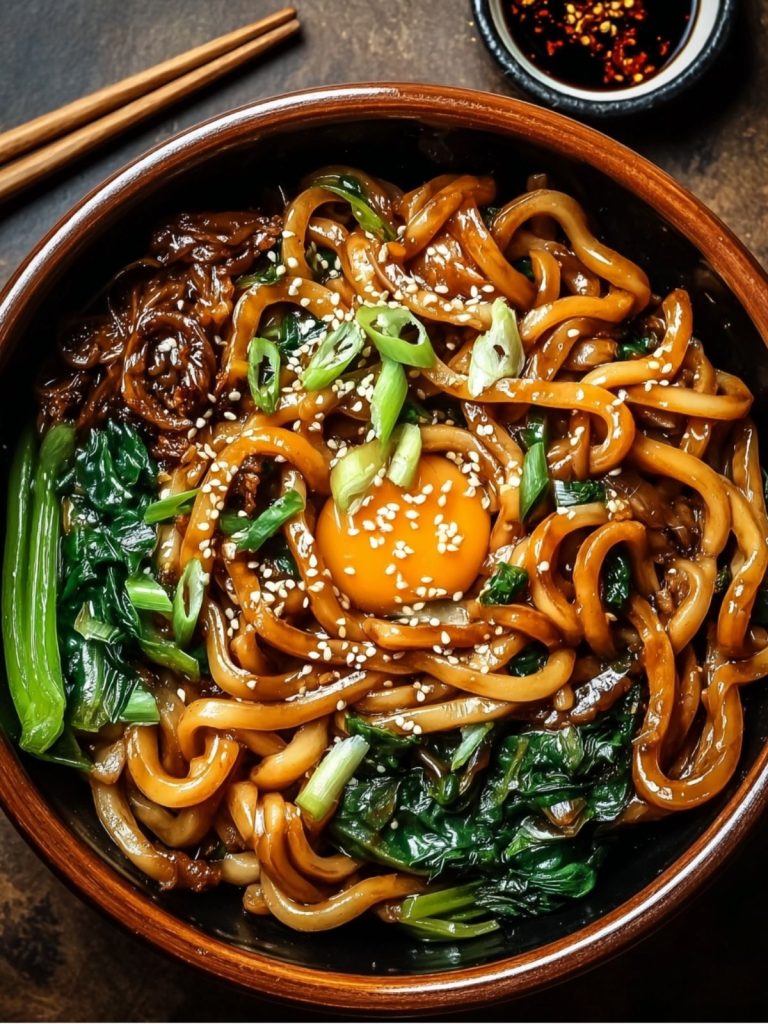
- Bok Choy Stir-Fry: Adds vibrant greens and a slight crunch, which pairs perfectly with the soft texture of the noodles.
- Garlic Edamame: Incorporates protein and a savory, garlicky punch that complements the flavors in Yaki Udon.
FAQ
Toss them in a bit of vegetable oil after cooking.
Yes, add chili oil or sriracha to taste.
Add or reduce maple syrup as needed for your preference.
Rice noodles work great, maintaining a similar chewy texture.
Stir-fry on high heat briefly, retaining vibrant colors and texture.
- 0 Facebook
- 40 Pinterest
- 1 Email
- Copy Link
- 41 shares
Delicious Yaki Udon Noodles: A Flavorful Journey into Japanese Cuisine
Ingredients
Instructions
- Begin by ensuring all ingredients
are prepped and ready. Slice your boneless chicken breast thinly, allowing for quick and even cooking. For the vegetables, julienne the carrots and slice bell peppers for a vibrant addition. Chop green onions and mince garlic to infuse the dish with fresh, robust flavors.
- Cook the Udon Noodles
Boil water in a large pot and add the udon noodles. Cook for about 3 minutes until they are soft yet slightly firm to the bite. Drain the noodles and rinse under cold water to halt the cooking process, ensuring a perfect chewy texture. Toss lightly with half of the sesame oil to prevent sticking and add a subtle nutty aroma.
- Sauté the Chicken
In a large skillet or wok, heat the remaining sesame oil over medium-high heat. Add sliced chicken, stirring occasionally until it’s golden brown on the outside and cooked through. Savor the rich aroma of sesame mingling with the succulent scent of chicken.
- Add Vegetables
Incorporate garlic, bell peppers, and julienned carrots into the skillet. Stir-fry for 3-4 minutes until vegetables are tender yet still crisp. The colorful vegetables should look vibrant and smell fresh, adding both texture and visual appeal.
- Combine and Finish
Pour in the low-sodium soy sauce and vegetable broth, gently stirring to meld flavors. Reintroduce the udon noodles, tossing everything together to ensure each noodle is coated in the flavorful broth. Allow the mixture to simmer for a minute, absorbing every nuance of taste.
- Garnish and Serve
Sprinkle green onions over the top, adding a pop of color and a mild spicy flavor. Serve hot, enjoying the blend of textures, from the chewy noodles to the tender chicken and crunchy vegetables.