Introduction
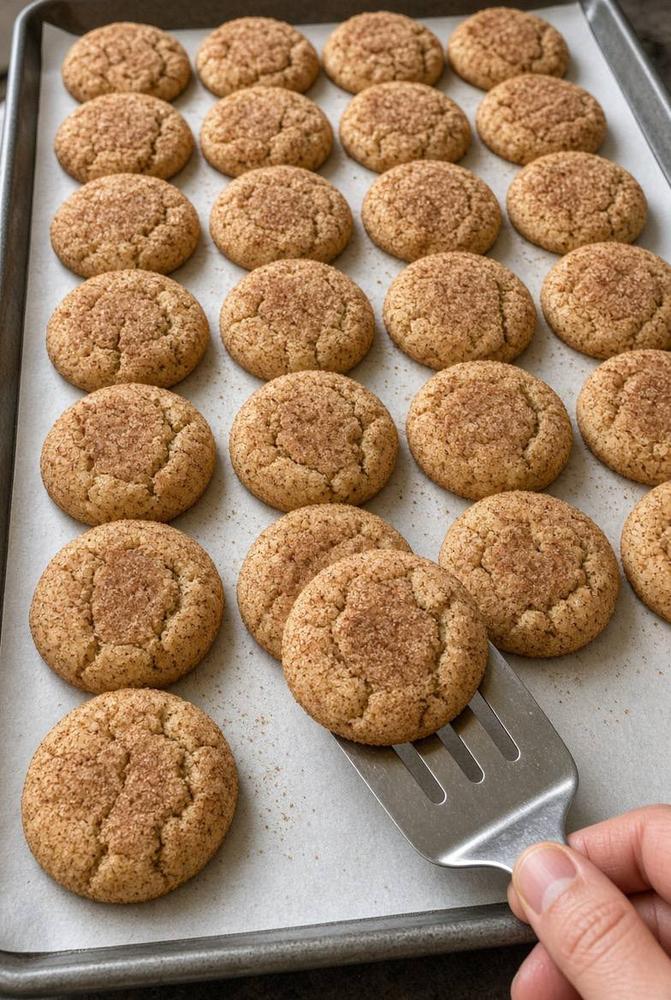
There are few cookies that evoke such a strong sense of comfort and nostalgia as the humble Snickerdoodle. With its distinctive crackled surface, generous cinnamon-sugar coating, and irresistibly chewy-crispy texture, it’s a timeless classic that has graced cookie jars and holiday platters for generations. More than just a sugar cookie rolled in spice, the Snickerdoodle holds a special place in the pantheon of beloved baked goods, offering a unique flavor profile that sets it apart from its counterparts. Its origins, while somewhat debated, are generally traced back to New England, with some culinary historians suggesting a German or Dutch influence on its name and early iterations. Regardless of its precise lineage, the Snickerdoodle has evolved into a quintessential American treat, a testament to simple ingredients coming together to create something truly magical.
What truly makes a Snickerdoodle unique is the inclusion of cream of tartar, an ingredient that plays a pivotal role in defining its characteristic tang and signature chewy texture. This acidic component reacts with baking soda, contributing to the cookie’s signature rise and those beautiful, inviting cracks on the surface. Combined with the rich, buttery dough and the warming embrace of cinnamon sugar, the result is a cookie that is simultaneously sweet, slightly tangy, and wonderfully aromatic. It’s a perfect balance of flavors and textures – a crispy edge giving way to a soft, yielding interior that melts in your mouth. This delightful combination makes Snickerdoodles an absolute family favorite, a go-to comfort food for a rainy afternoon, and an indispensable addition to any holiday cookie spread. They are the kind of cookie that disappears from the plate almost as quickly as they appear, leaving behind only crumbs and happy memories.
This recipe is designed to help you achieve the absolute perfect Snickerdoodle every single time. We’ll guide you through each step, ensuring you get that ideal balance of flavor, the perfect crispy-chewy texture, and that gorgeous, inviting cinnamon-sugar sparkle. From selecting the right ingredients to mastering the baking process, you’ll discover the secrets to creating Snickerdoodles that are not just good, but truly exceptional. Prepare to fill your home with the intoxicating aroma of cinnamon and butter, and get ready to bake a batch of cookies that will become an instant classic in your own kitchen.
Nutritional Information
Per serving (approximate values):
- Calories: 180
- Protein: 2g
- Carbohydrates: 25g
- Fat: 9g
- Fiber: 1g
- Sodium: 100mg
Ingredients
- 2 ½ cups all-purpose flour
- 2 teaspoons cream of tartar
- 1 teaspoon baking soda
- ¼ teaspoon salt
- 1 cup (2 sticks) unsalted butter, softened
- 1 ½ cups granulated sugar, divided
- 2 large eggs
- 1 teaspoon vanilla extract
- 3 tablespoons granulated sugar (for coating)
- 2 teaspoons ground cinnamon (for coating)
Instructions
- Preheat your oven to 375°F (190°C). Line two large baking sheets with parchment paper.
- In a medium bowl, whisk together the all-purpose flour, cream of tartar, baking soda, and salt. Set aside. This ensures all the dry ingredients are evenly distributed, especially the crucial cream of tartar.
- In a large bowl, using an electric mixer, cream together the softened butter and 1 ½ cups of granulated sugar until light and fluffy. This process incorporates air into the mixture, which is essential for a tender cookie. Scrape down the sides of the bowl as needed to ensure everything is well combined.
- Beat in the eggs one at a time, mixing well after each addition. The eggs add moisture and richness to the dough.
- Stir in the vanilla extract until fully incorporated. Vanilla enhances all the other flavors in the cookie.
- Gradually add the dry ingredient mixture to the wet ingredients, mixing on low speed until just combined. Be careful not to overmix the dough, as overmixing can lead to tough cookies. Mix only until no streaks of flour remain.
- In a small shallow bowl, combine the remaining 3 tablespoons of granulated sugar and 2 teaspoons of ground cinnamon for the coating. Stir well to ensure the cinnamon is evenly distributed throughout the sugar.
- Roll the dough into 1-inch balls. For consistent baking, it’s helpful to use a small cookie scoop or measure them out roughly.
- Roll each dough ball generously in the cinnamon-sugar mixture, ensuring it is fully coated. This coating is what gives Snickerdoodles their iconic flavor and crackled appearance.
- Place the coated dough balls about 2 inches apart on the prepared baking sheets. Give them enough space to spread out during baking.
- Bake for 8-10 minutes, or until the edges are set and lightly golden, but the centers still look slightly soft. The key to a chewy Snickerdoodle is not to overbake them. They will continue to set as they cool.
- Remove the baking sheets from the oven and let the cookies cool on the sheets for 2-3 minutes before transferring them to a wire rack to cool completely. This allows them to firm up without breaking.
Cooking Tips and Variations
For truly perfect Snickerdoodles, start with quality ingredients. Ensure your unsalted butter is at room temperature – it should be soft enough to indent with your finger but not melted. This is crucial for proper creaming with the sugar, which creates air pockets for a light and tender cookie. Fresh cream of tartar is also key; if yours has been sitting in the pantry for ages, it might have lost its potency, affecting the cookie’s characteristic tang and chewiness. Always check the expiration date. When mixing your dry ingredients, whisk them thoroughly to ensure the cream of tartar and baking soda are evenly distributed, as they are vital for the cookie’s unique texture and rise. For the dough, avoid overmixing once the flour is added; mix only until just combined to prevent gluten development, which can lead to a tough cookie. When rolling your dough balls, aim for uniform size to ensure even baking. A small cookie scoop can be incredibly helpful here. Don’t be shy with the cinnamon-sugar coating; a generous layer is what gives Snickerdoodles their iconic crackled appearance and signature flavor. Finally, and perhaps most importantly, do not overbake! Snickerdoodles are best when they are slightly soft in the center when removed from the oven. The edges should be set and lightly golden, but the middle will look a bit underdone. They will continue to cook and set on the hot baking sheet, resulting in that perfectly chewy texture.
If you want to experiment with variations, a touch of freshly grated nutmeg can be added to the cinnamon-sugar coating for an extra layer of warmth and spice. For a different flavor profile, consider adding a pinch of cardamom to the dough. Chocolate Snickerdoodles are a delicious twist; simply add cocoa powder to the dry ingredients and perhaps some mini chocolate chips to the dough. You could also experiment with different sugar coatings, such as brown sugar and cinnamon for a deeper, more molasses-like flavor, or even a citrus zest (like orange or lemon) mixed into the coating for a bright, zesty kick. For those with dietary restrictions, gluten-free all-purpose flour blends can often be substituted cup-for-cup, though results may vary slightly in texture. Always ensure your gluten-free flour blend contains xanthan gum or add it separately if not included. For a vegan option, plant-based butter and egg substitutes (like flax eggs or commercial egg replacers) can be used, though the texture might be slightly different from the traditional recipe. Remember to adjust baking times slightly when making significant variations, and always trust your senses – look for those golden edges and slightly soft centers.
Storage and Reheating
Snickerdoodles are best enjoyed fresh, but they store remarkably well, allowing you to savor their deliciousness for days. Once completely cooled, store your Snickerdoodle cookies in an airtight container at room temperature. A cookie jar or a plastic container with a tight-fitting lid works perfectly. Stored this way, they will maintain their freshness and chewy texture for up to 5-7 days. To keep them extra soft, you can place a slice of bread in the container with the cookies; the cookies will absorb moisture from the bread, preventing them from drying out. Avoid refrigerating baked Snickerdoodles, as this can actually make them dry out faster and firm up too much.
If you want to enjoy a warm Snickerdoodle reminiscent of being fresh from the oven, you can gently reheat them. For a single cookie, pop it in the microwave for 10-15 seconds. Be careful not to overheat, as this can make the cookie tough. Alternatively, you can place cookies on a baking sheet and warm them in a preheated oven at 275°F (135°C) for about 5-7 minutes. This method works well for multiple cookies and helps to crisp up the edges slightly. Always keep an eye on them to prevent overbaking.
Snickerdoodles are also excellent candidates for freezing, both baked and unbaked. To freeze baked cookies, ensure they are completely cool, then place them in a single layer on a baking sheet and freeze until solid (about 1-2 hours). Once frozen, transfer them to a freezer-safe airtight container or heavy-duty freezer bag, separating layers with parchment paper to prevent sticking. They can be stored in the freezer for up to 3 months. When ready to enjoy, simply thaw them at room temperature for a few hours, or reheat as described above. To freeze unbaked dough, roll the dough into balls and coat them in the cinnamon-sugar mixture as usual. Place the coated dough balls on a baking sheet and freeze until solid. Once frozen, transfer them to a freezer-safe bag or container. When you’re ready to bake, you can bake them directly from frozen; simply add an extra 2-4 minutes to the baking time. This is a fantastic way to have fresh, warm Snickerdoodles on demand!
Frequently Asked Questions
Why do Snickerdoodles use cream of tartar?
Cream of tartar is a key ingredient in Snickerdoodles for several reasons. It provides the characteristic tangy flavor that sets them apart from regular sugar cookies. Chemically, it’s an acidic salt that, when combined with baking soda, acts as a leavening agent, helping the cookies rise and creating their signature crackled surface. Most importantly, it contributes to the Snickerdoodle’s unique chewy texture, preventing the sugar from crystallizing too much and resulting in a softer, more pliable cookie.
Can I make Snickerdoodles without cream of tartar?
While you can technically make a cookie without cream of tartar, it won’t be a true Snickerdoodle. The absence of cream of tartar will result in a cookie that is more akin to a regular sugar cookie rolled in cinnamon sugar – lacking the distinctive tang, the specific chewiness, and often the characteristic crackled appearance. If you absolutely don’t have it, you can substitute it with 2 teaspoons of baking powder for every 1 teaspoon of cream of tartar and 1 teaspoon of baking soda in the recipe, but be aware the flavor and texture will be different.
How do I prevent my Snickerdoodles from spreading too much?
Several factors can cause Snickerdoodles to spread excessively. Ensure your butter is at room temperature, but not melted or too soft, as overly soft butter can lead to spreading. Chilling the dough for at least 30 minutes before baking can also help firm up the butter and prevent spreading. Make sure your oven temperature is accurate; an oven that isn’t hot enough can cause cookies to spread before they set. Also, avoid greasing your baking sheets; the parchment paper provides enough non-stick surface, and added grease can encourage spreading. Finally, ensure you are using the correct amount of flour as listed in the recipe.
Snickerdoodle Cookies
Ingredients
Instructions
Preheat your oven to 375°F (190°C). Line two large baking sheets with parchment paper.
In a medium bowl, whisk together the all-purpose flour, cream of tartar, baking soda, and salt. Set aside. This ensures all the dry ingredients are evenly distributed, especially the crucial cream of tartar.
In a large bowl, using an electric mixer, cream together the softened butter and 1 ½ cups of granulated sugar until light and fluffy. This process incorporates air into the mixture, which is essential for a tender cookie. Scrape down the sides of the bowl as needed to ensure everything is well combined.
Beat in the eggs one at a time, mixing well after each addition. The eggs add moisture and richness to the dough.
Stir in the vanilla extract until fully incorporated. Vanilla enhances all the other flavors in the cookie.
Gradually add the dry ingredient mixture to the wet ingredients, mixing on low speed until just combined. Be careful not to overmix the dough, as overmixing can lead to tough cookies. Mix only until no streaks of flour remain.
In a small shallow bowl, combine the remaining 3 tablespoons of granulated sugar and 2 teaspoons of ground cinnamon for the coating. Stir well to ensure the cinnamon is evenly distributed throughout the sugar.
Roll the dough into 1-inch balls. For consistent baking, it’s helpful to use a small cookie scoop or measure them out roughly.
Roll each dough ball generously in the cinnamon-sugar mixture, ensuring it is fully coated. This coating is what gives Snickerdoodles their iconic flavor and crackled appearance.
Place the coated dough balls about 2 inches apart on the prepared baking sheets. Give them enough space to spread out during baking.
Bake for 8-10 minutes, or until the edges are set and lightly golden, but the centers still look slightly soft. The key to a chewy Snickerdoodle is not to overbake them. They will continue to set as they cool.
Remove the baking sheets from the oven and let the cookies cool on the sheets for 2-3 minutes before transferring them to a wire rack to cool completely. This allows them to firm up without breaking.